
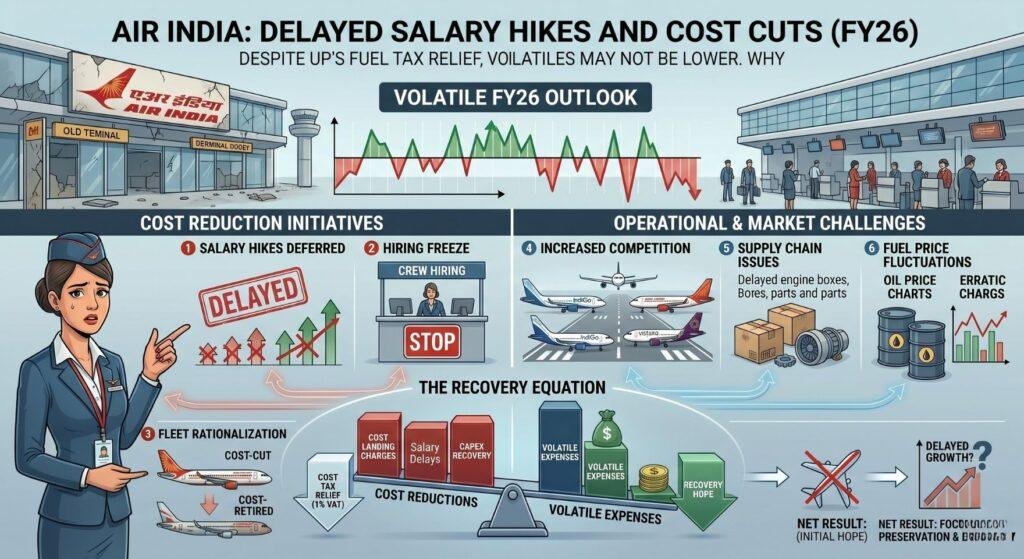
Aviation stocks, including IndiGo, SpiceJet, and GMR Airports, crashed by up to 5% in Monday’s trading session . The sudden selloff was triggered by a rare combination of geopolitical fuel shocks and a government appeal to curb foreign travel. Here’s a detailed breakdown of the two big reasons dragging the sector down.
Reason 1: PM Modi’s Appeal to Avoid Foreign Travel
The primary trigger for the crash was Prime Minister Narendra Modi’s public appeal over the weekend. Speaking at an event in Hyderabad, PM Modi urged citizens to rethink overseas weddings, holidays, and leisure travel for at least a year .
Key Points of the Appeal:
Avoid “non-essential” foreign trips for the next 12 months.
Promote domestic tourism to strengthen the local economy.
Conserve foreign exchange reserves amidst global volatility.
Reduce fuel consumption via carpooling, metro usage, and work-from-home .
Investors fear this advisory could sharply reduce international outbound traffic, which is a high-margin segment for carriers like IndiGo and Air India. Travel booking platforms like ixigo, Yatra, and Thomas Cook crashed up to 7% following the news .
Impact on Stocks (May 11, 2026):
IndiGo (Interglobe Aviation): Down ~5.03% (to ₹4,296)
SpiceJet: Down ~4.15% (to ₹13.41)
GMR Airports: Down ~3.67%
Reason 2: Rising Crude Oil Prices & US-Iran Conflict
The second major headwind is the surge in global crude oil prices. Ongoing geopolitical tensions between the US and Iran have pushed crude oil prices to nearly $105 per barrel .
Why This Hurts Airlines:
ATF Cost Spike: Aviation Turbine Fuel (ATF) constitutes 30-40% of an airline’s operating expenses. Higher crude directly translates to higher ATF bills.
Weak Rupee: India imports most of its fuel. A weakening Rupee against the US Dollar makes these imports even more expensive, squeezing margins further .
Inflationary Pressure: High fuel costs eventually lead to higher airfares, which could dampen overall travel demand.
To combat this, IndiGo recently reintroduced a distance-based fuel surcharge (ranging from ₹275 to ₹950) on domestic tickets to pass the burden to passengers .
The Perfect Storm for Aviation Stocks
While rising fuel costs have been a persistent worry, PM Modi’s specific appeal to defer foreign travel acted as a “demand shock” sentiment-wise. Investors are now pricing in a dual blow:
Lower Demand (due to the advisory against international leisure travel).
Higher Costs (due to expensive ATF).
This combination typically leads to compressed profit margins and reduced earnings visibility for the quarter.
Conclusion
Aviation stocks are facing turbulence due to a unique convergence of geopolitics (US-Iran war) and policy sentiment (PM’s travel appeal) . While domestic travel might see a boost, the fear of reduced high-yield international traffic and relentless fuel inflation has spooked the markets. Analysts suggest watching the Q2 earnings to gauge the real impact of these headwinds.