
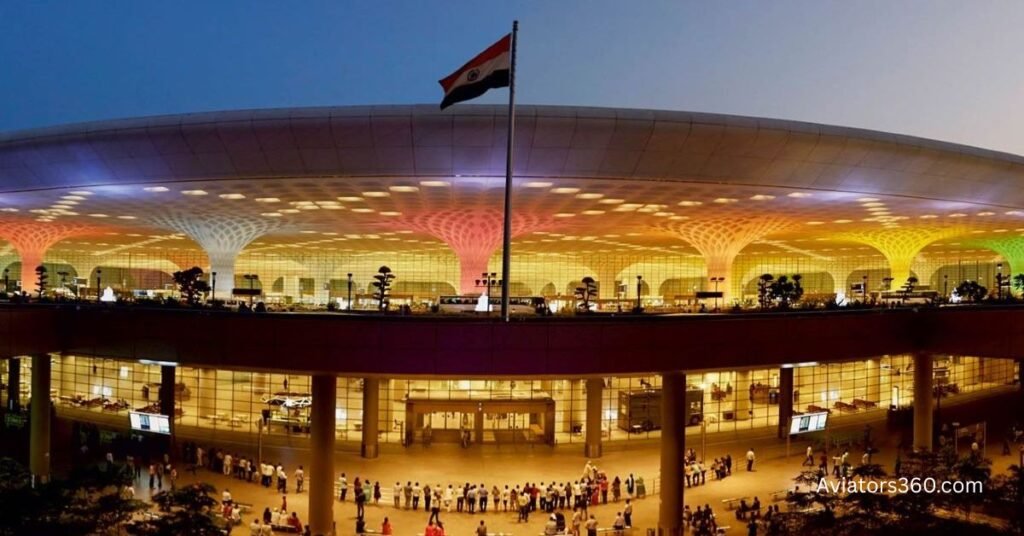
In a world where connectivity is the ultimate currency, India is making a monumental bet on its skies. At the 2026 World Economic Forum (WEF) in Davos, Union Civil Aviation Minister Ram Mohan Naidu unveiled a transformative roadmap for the nation’s aviation sector. The centerpiece of this vision? A plan to expand India’s airport network to 350 by the year 2047.
This ambitious target is not just about concrete and runways; it is a fundamental component of the “Viksit Bharat” (Developed India) initiative. As India approaches its centenary of independence, the government is positioning aviation as the engine that will drive economic parity, regional integration, and global competitiveness.
The Davos Declaration: A Glimpse into the Future

Speaking on the sidelines of the 56th Annual Meeting of the WEF in January 2026, Minister Ram Mohan Naidu articulated a future where air travel is no longer a luxury but a common utility for every Indian citizen. The minister highlighted that the journey toward 350 airports is already in full swing.
Key Highlights from the Minister’s Address
- The 2047 Target: India aims to have 350 operational airports, heliports, and water aerodromes by 2047.
- Short-term Momentum: The government has set a rigorous goal to build and operationalize 50 new airports within the next five years.
- Market Dominance: India is currently the third-largest domestic aviation market globally, trailing only behind the U.S. and China.
Massive Aircraft Orders: To support this infrastructure, Indian carriers have placed record-breaking orders for nearly 1,700 aircraft, a volume unparalleled by any other nation.
The Path to Transformation: A Decade of Change

To understand why a target of 350 airports is achievable, one must look at the rapid acceleration of the past decade. In 2014, India operated only 74 airports. By early 2026, that number has surged to 164, effectively doubling the infrastructure in just 11 years.
The “UDAN” Effect
The primary catalyst for this growth has been the RCS-UDAN (Ude Desh ka Aam Nagrik) scheme. Launched with the philosophy of “democratizing the skies,” UDAN has:
- Connected the Unserved: Revived airstrips in Tier-2 and Tier-3 cities that were previously ignored.
- Affordable Travel: Capped airfares for regional routes to make flying accessible to the middle class.
- Economic Hubs: Turned cities like Darbhanga, Jharsuguda, and Kurnool into new centers of trade and tourism.
Minister Naidu emphasized at Davos that this growth was “not natural” but a result of deliberate policy-making and a “strong infusion of capital.”
The Economic and Connectivity Logic Behind 350 Airports
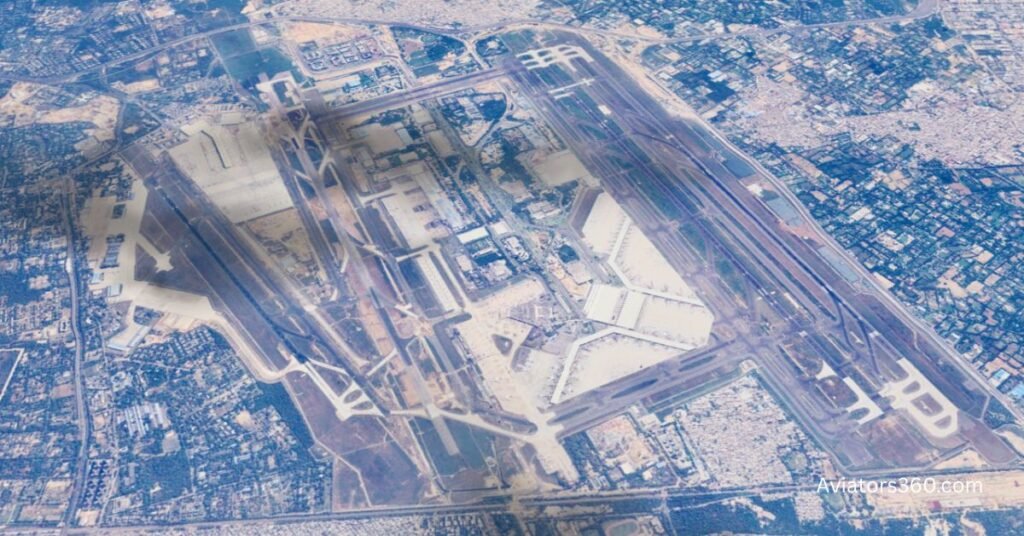
The expansion is a strategic response to several converging factors:
1. Economic Growth and the $10 Trillion Dream
India’s aspiration to become a $10 trillion economy requires a logistics and transport backbone that can move people and goods with high efficiency. Aviation contributes significantly to GDP through direct services and indirectly through tourism and trade.
2. Meeting Explosive Demand
With a growth rate of 10–12% annually in the civil aviation sector, the existing infrastructure is reaching saturation. By 2040, passenger traffic is projected to reach 1.1 billion. Without 350 airports, the system would collapse under the weight of its own demand.
3. Regional Equity and Employment
The “Vision 2047” is expected to create 25 million direct and indirect jobs. By spreading airports into remote regions—including the North-East and island territories—the government aims to ensure that development is not concentrated solely in “Mega-cities” like Delhi or Mumbai.
The Future Roadmap: Sustainability and Technology

The path to 2047 is not just about quantity; it’s about quality and sustainability. At Davos, the Minister emphasized a “sustainable, safe, secure, and technology-led future.”
Green Aviation and Net Zero
As part of the global climate commitment, new airports are being designed as “Green Airports.” This includes:
- Solar Power: Airports like Kochi have already set a global benchmark by being fully solar-powered.
- Sustainable Aviation Fuel (SAF): Policy frameworks are being developed to encourage the use of SAF in the growing fleet.
Digital Sky and Tech Integration
The future of Indian aviation will be digital. From DigiYatra (biometric-based paperless travel) to AI-driven Air Traffic Management, the goal is to reduce congestion and enhance the passenger experience.
Global Collaboration: The Davos Strategy
The Davos summit served as a platform for Indian states to engage with global conglomerates. States like Uttar Pradesh, Karnataka, Madhya Pradesh, and Assam were seen actively courting foreign investors.
The focus of these collaborations includes:
- MRO Hubs: Developing Maintenance, Repair, and Overhaul (MRO) facilities so Indian planes don’t have to fly abroad for servicing.
- Aircraft Leasing: Establishing India as a hub for aircraft leasing to keep capital within the country.
- Manufacturing: Pushing the “Make in India” initiative for aircraft components and even whole assemblies.
The Way Forward for India’s Aviation Vision
The vision of 350 airports by 2047 is a testament to India’s confidence on the global stage. It represents a shift from a nation that “follows” to a nation that “leads” in infrastructure. Under the leadership of Minister Ram Mohan Naidu and the broader Viksit Bharat framework, the Indian sky is no longer a limit but a vast territory of opportunity.
As these 350 gateways open up, they will do more than just facilitate travel; they will bridge the gap between rural aspirations and global realities, ensuring that every corner of India is connected to the future.
Disclaimer:
This blog is intended for informational and educational purposes only. The content is based on publicly available statements, policy discussions, and official announcements made at international forums, including comments by government representatives. While every effort has been made to ensure accuracy and reliability, details related to aviation policy, infrastructure development, timelines, and investment plans may evolve over time.
The views expressed in this blog do not constitute official government policy, legal advice, or investment guidance. Readers are advised to refer to official notifications, government publications, or authoritative sources for the most current and verified information. The publisher assumes no responsibility for any decisions made based on the information provided in this blog.