
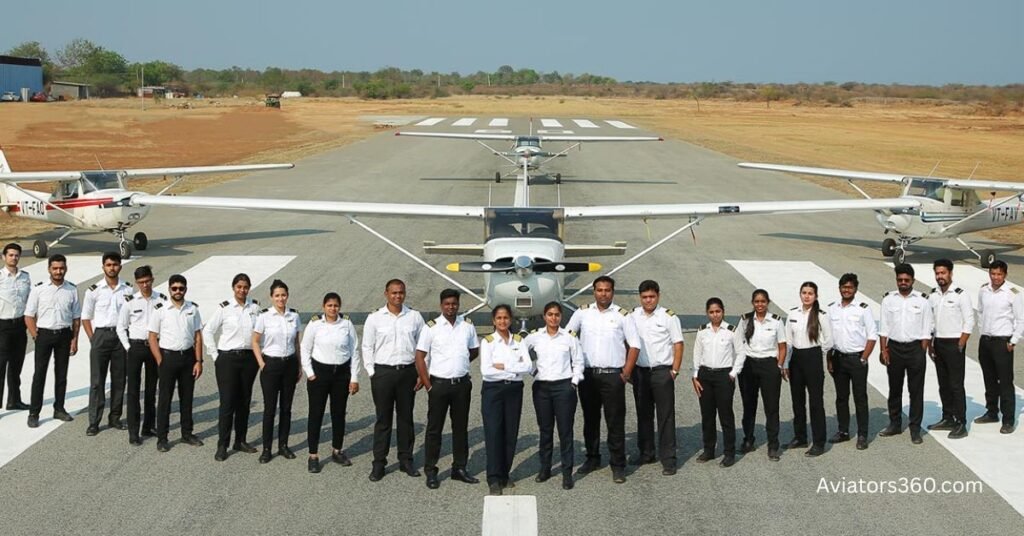
India’s aviation sector marked a major milestone in 2024 as the Directorate General of Civil Aviation (DGCA) issued a record 1,628 Commercial Pilot Licenses (CPLs) in a single year, according to information shared by the government. This is the highest number of commercial pilot licenses issued in any year so far and reflects the rapid growth taking place across the country’s civil aviation industry.
The development comes at a time when air travel in India is expanding steadily, airlines are adding more aircraft, and the need for trained pilots is increasing. Officials see the record figure as an important sign that India is building the skilled workforce required to support future aviation growth.
Understanding a Commercial Pilot License

A Commercial Pilot License allows a person to fly an aircraft professionally and earn money as a pilot. It is a basic requirement for working with airlines, charter companies, cargo operators, and other commercial flying services.
To obtain a CPL, a candidate must complete flight training, log a required number of flying hours, pass written exams and flying tests, and meet medical and safety standards. All these steps are monitored and approved by the DGCA, which acts as India’s civil aviation regulator.
The issuance of 1,628 CPLs in 2024 means that a large number of aspiring pilots successfully completed this demanding process within a single year.
The Situation in 2024
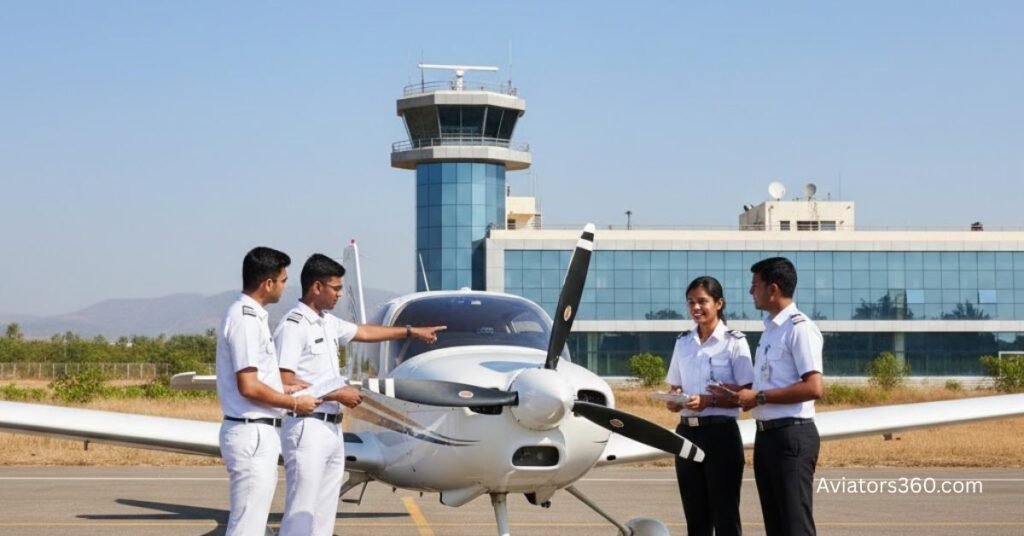
During 2024, the DGCA cleared and issued 1,628 commercial pilot licenses, setting a new national record. In previous years, the number of licenses issued annually was much lower, largely due to limited training capacity and slower growth in airline operations.
The government stated that the increase was the result of better training facilities, higher demand from airlines, and smoother licensing processes. Many pilots were also able to complete their training within India, reducing dependence on foreign flight schools.
This record year shows that the pilot training system has expanded enough to meet growing industry needs.
Reasons Behind the Increase
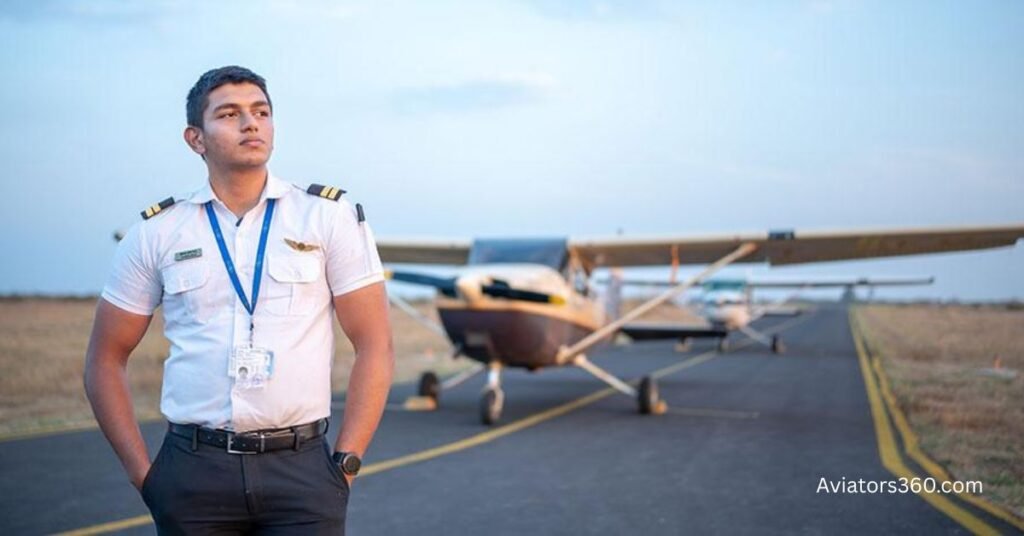
Several connected developments helped push the number of CPLs to a record level in 2024.
Growing Airline Operations
Indian airlines are expanding routes, increasing flight frequency, and preparing for long-term growth. As airlines plan to operate more aircraft, they require more pilots to manage daily operations, training schedules, and leave rotations.
To avoid pilot shortages in the future, airlines began planning early, which increased demand for trained pilots and encouraged more students to enter flight training programs.
Large Aircraft Induction Plans
In recent years, Indian airlines have placed large orders for new aircraft. While deliveries will take place over several years, pilot preparation must begin well in advance.
Each aircraft needs several trained pilots, not just one flight crew. This long-term planning significantly increased the need for new commercial pilots, contributing to the higher number of licenses issued in 2024.
Rising Air Travel Demand
Air travel in India has become more common due to better airport connectivity, affordable fares, and time savings compared to other transport options. Passengers are flying more often for work, tourism, and family travel.
As passenger numbers rise, airlines add flights to meet demand. More flights directly translate into a greater need for pilots, pushing training and licensing numbers higher.
Better Training Facilities in India
India’s flight training ecosystem has improved over time. New flight training organizations have been set up, and existing ones have expanded their fleets and infrastructure.
Improved availability of training aircraft, better simulators, and more structured training programs helped students complete their courses on schedule. This allowed more candidates to qualify for CPLs within the year.
Earlier, many Indian students had to go abroad for pilot training. Improved domestic capacity has reduced this trend and helped increase licensing numbers at home.
Faster and More Efficient Licensing Processes
The DGCA has taken steps to improve administrative processes, including better scheduling of exams, skill tests, and documentation. Digital systems and closer coordination with training organizations helped reduce delays.
As a result, candidates who completed training in 2024 were able to receive their licenses within the same year, supporting the record issuance figure.
Challenges That Still Exist
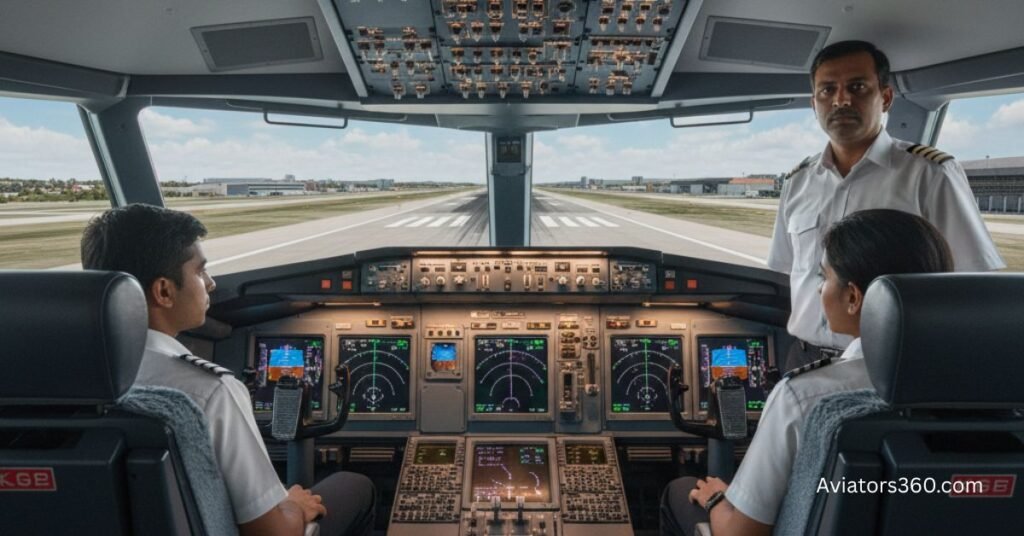
Despite the positive trend, challenges remain. Pilot training is expensive, and many students struggle to arrange the required funds. Access to education loans and financial support is still limited for some candidates.
There is also a need for more experienced flight instructors and examiners to handle growing training volumes. After receiving a CPL, pilots usually need aircraft-specific training before joining airlines, which can involve additional cost and time.
What Comes Next
The government views the 2024 record as part of a broader growth trend rather than a one-time event. India is expected to need thousands of new pilots in the coming years as airlines expand fleets and older pilots retire.
Efforts are likely to continue to strengthen domestic flight training, improve affordability, and maintain strict safety standards. Airlines may also expand structured cadet pilot programs to ensure a steady and well-trained supply of pilots.
The Road Ahead
The issuance of 1,628 Commercial Pilot Licenses in 2024 marks an important moment for Indian aviation. It reflects rising air travel demand, expanding airline operations, improved training capacity, and more efficient regulatory processes.
While challenges remain, the record achievement shows that India is preparing its aviation workforce for the future. As the sector continues to grow, this development is expected to play a key role in supporting safe and reliable air travel across the country.
Disclaimer:
This blog is based on publicly available information and official statements released by government sources. The content is intended for general information purposes only and does not constitute professional, legal, or aviation training advice. While every effort has been made to ensure accuracy at the time of publication, readers are advised to verify details independently with official authorities or relevant organizations. The author and publisher do not accept responsibility for any errors, omissions, or subsequent changes in information.