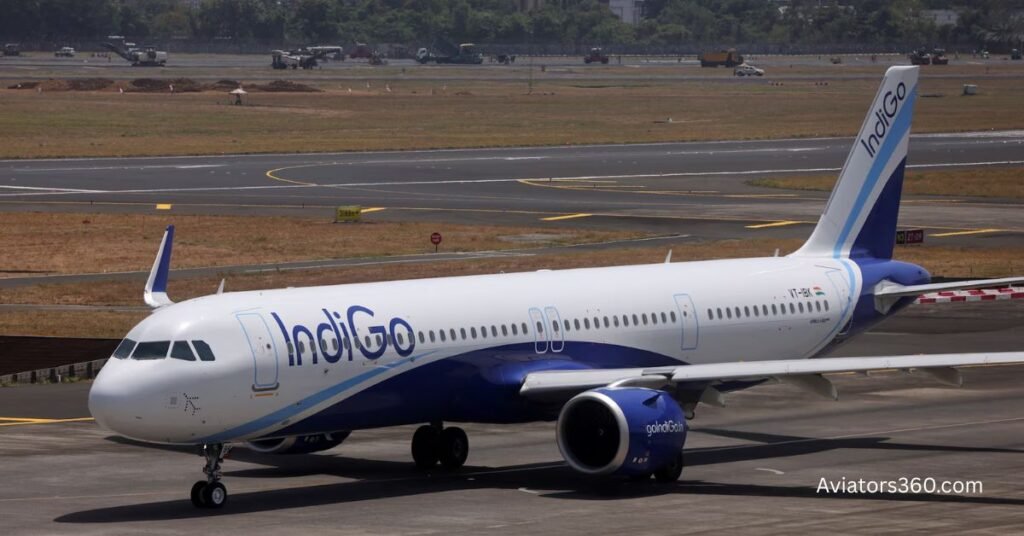
The Indian aviation sector recently witnessed one of its most significant regulatory crackdowns. The Directorate General of Civil Aviation (DGCA) has imposed a staggering ₹22.20 crore fine on IndiGo, India’s largest airline, following a massive operational collapse in December 2025. This move marks a watershed moment in Indian aviation, as the regulator not only targeted the corporate entity but also issued stern warnings and directives against the airline’s top leadership.
The Chaos of December 2025: What Actually Happened?
Between December 3 and December 5, 2025, the IndiGo network experienced a paralysis that left the industry and passengers in shock. During this three-day window:
- 2,507 flights were cancelled nationwide.
- 1,852 flights were delayed, often by several hours.
- More than 3 lakh passengers were left stranded at airports, with many facing lost luggage and lack of communication.
The disruption was so severe that the Ministry of Civil Aviation (MoCA) was forced to intervene, ordering a high-level inquiry into the airline’s operations. By mid-December, the regulator had already ordered a 10% cut in IndiGo’s winter schedule to prevent further systemic collapse.
Why Did It Happen? The Anatomy of a Meltdown
While the airline initially cited external factors like winter fog and technical glitches, the DGCA’s four-member inquiry committee uncovered deeper, systemic failures. The “meltdown” was the result of a “perfect storm” of internal mismanagement.
Failure to Adapt to New FDTL Norms
The primary catalyst was the implementation of revised Flight Duty Time Limitation (FDTL) rules. These rules, designed to combat pilot fatigue and enhance safety, mandated:
- Increased weekly rest (from 36 to 48 hours).
- Authorities imposed a significant restriction on night landings, limiting them to two per week instead of six.
- Stricter daily and monthly flying hour caps.
While other airlines adjusted their schedules and hiring months in advance, IndiGo reportedly failed to maintain a sufficient pilot buffer.
Over-Optimisation and “Lean” Planning
The inquiry revealed an “overriding focus on maximising utilisation of crew and aircraft.” IndiGo’s business model relied on ultra-tight rosters with minimal recovery margins. When the new FDTL rules came into effect, the airline simply didn’t have enough “legal” pilots to man the cockpit. Every small delay (caused by fog or minor technical issues) cascaded into massive cancellations because there were no backup crews available within the legal duty limits.
Management Oversight Gaps
The DGCA highlighted that the leadership failed to accurately assess the impact of the Winter Schedule 2025 alongside the new FDTL provisions. The regulator noted a lack of “accountable management oversight,” suggesting that the drive for efficiency took precedence over operational resilience.
Breakdown of the ₹22.20 Crore Penalty
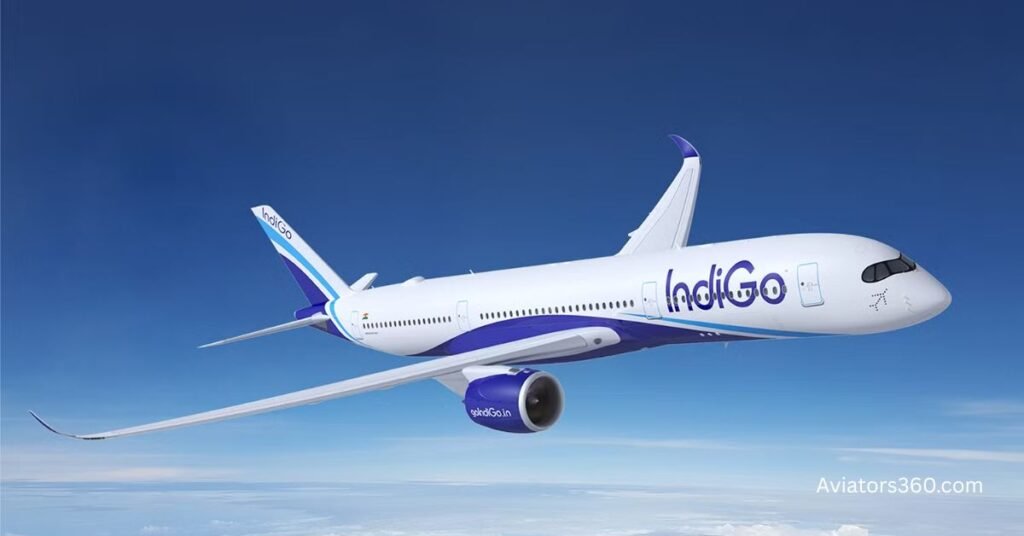
The fine is one of the largest ever imposed by the DGCA and is divided into two distinct parts:
Penalty Component | Amount | Reason |
Systemic Penalties | ₹1.80 Crore | For six specific breaches of Civil Aviation Requirements (CARs). |
Continued Non-Compliance | ₹20.40 Crore | Calculated at ₹30 lakh per day for 68 days of non-compliance (Dec 5 – Feb 10). |
Total Fine | ₹22.20 Crore |
In addition, IndiGo has been directed to submit a ₹50 crore bank guarantee under the IndiGo Systemic Reform Assurance Scheme (ISRAS). This money will only be released in phases as the airline proves it has implemented reforms in manpower planning and digital systems.
Leadership Under Fire: Warnings to CEO and COO
In a rare move, the DGCA personally cautioned the highest-ranking officials of the airline. This signals that the regulator is no longer satisfied with just fining the company; it is holding individuals accountable.
- CEO Pieter Elbers: Faced a formal regulatory caution for lapses in overall oversight of flight operations and crisis management.
- COO (Accountable Manager): Warned for failing to assess the impact of the winter schedule and the new FDTL norms.
SVP Operations (OCC): The DGCA took the harshest step here, directing the airline to relieve the Senior Vice President of his operational responsibilities and barring him from any accountable position in the future.
The Path Forward: IndiGo’s Future Plan
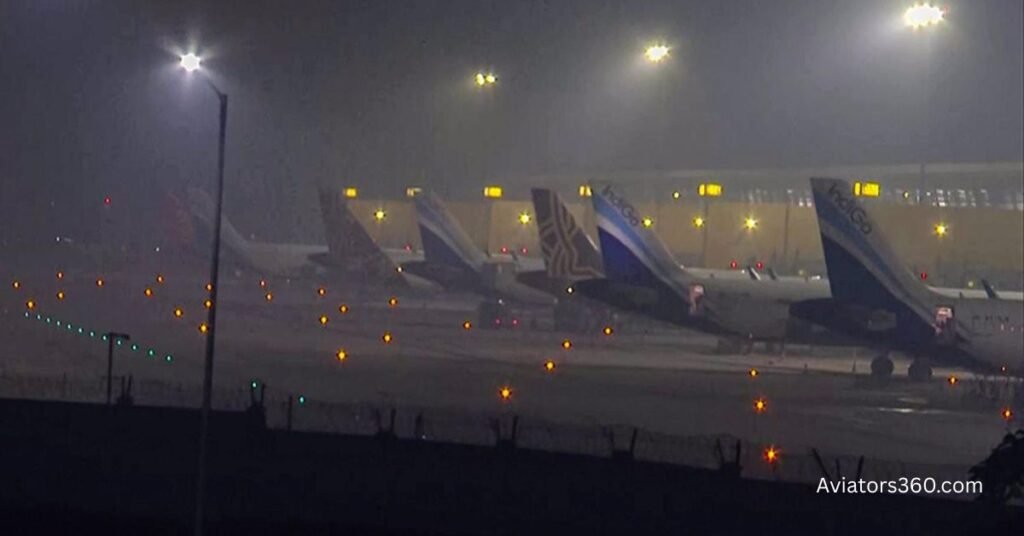
Following the crackdown, IndiGo has issued a statement confirming it is taking “full cognizance” of the orders. The airline’s recovery and reform plan includes several key pillars:
1. Massive Recruitment Drive
To address the pilot shortage, the airline is expected to accelerate its hiring process. Moving away from the “lean manpower” model, IndiGo must build a significant “standby” crew pool to handle seasonal disruptions and stay compliant with FDTL rules.
2. Implementation of ISRAS
The airline will work under the IndiGo Systemic Reform Assurance Scheme. This involves upgrading their rostering software to automatically flag FDTL violations and improving digital communication with ground staff to manage passenger grievances more effectively during crises.
3. Passenger “Gesture of Care”
On the direction of the Ministry, IndiGo has introduced a ₹10,000 ‘Gesture of Care’ (GoC) voucher for passengers affected by cancellations or delays exceeding three hours during the peak disruption period. This is part of an effort to rebuild trust with its massive customer base.
Conclusion: A Lesson for the Aviation Industry
The IndiGo December meltdown serves as a cautionary tale for the global aviation industry. It proves that while “optimisation” and “efficiency” drive profits, they cannot come at the cost of regulatory compliance and passenger welfare.
The DGCA’s heavy-handed response has set a new precedent: the regulator is watching, and the cost of failure is no longer just a small fine—it is a blow to the reputation and leadership of the country’s most dominant airline.
Disclaimer:
This blog is intended for informational and educational purposes only. It is based on publicly available information, regulatory disclosures, and media reports at the time of publication. The content does not constitute legal, financial, or professional aviation advice. While every effort has been made to ensure accuracy and reliability, the publisher does not guarantee the completeness or timeliness of the information presented. Views expressed in this blog are analytical in nature and do not reflect the official position of any airline, regulatory authority, or government body. Readers are advised to refer to official statements from the Directorate General of Civil Aviation (DGCA) and IndiGo for the most accurate and up-to-date information.