
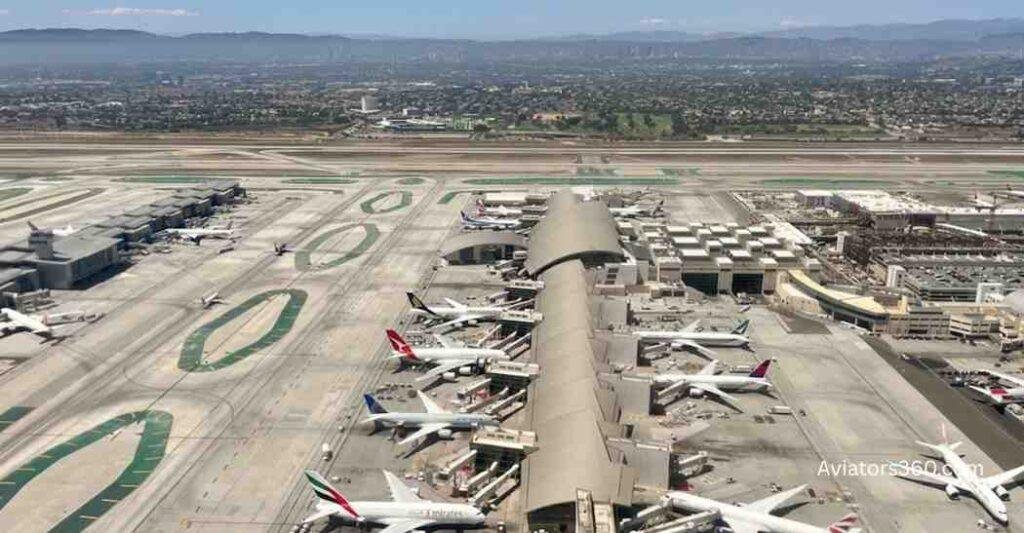
Air travel across parts of West Asia has become more complicated in recent months as regional tensions continue to rise. Airlines around the world are closely monitoring the situation and adjusting their routes to ensure passenger safety. In some cases, flights have been delayed, rerouted, or temporarily suspended to avoid areas considered high risk.
While conflicts in this region are not new, the current situation has once again highlighted how geopolitical events can directly affect global aviation. From longer travel times to higher operational costs for airlines, the impact extends far beyond the conflict zones themselves. For passengers, it may mean longer journeys, changing flight paths, and occasional uncertainty while planning travel.
Understanding why airlines are altering their routes requires a closer look at the background of the West Asia conflict, the recent developments, and how aviation authorities and airlines are responding.
Background: Why West Asia Is Important for Global Aviation
West Asia plays a crucial role in international air travel because it lies at the crossroads of Europe, Asia, and Africa. Many long-distance flights between continents pass through this region’s airspace. Major airline hubs located in cities such as Dubai, Doha, and Abu Dhabi also rely heavily on these routes to connect passengers across the world.
When tensions rise or security concerns emerge, aviation regulators and airlines often take precautionary measures. These may include avoiding certain airspace zones, flying at different altitudes, or choosing alternative routes that bypass conflict-affected areas.
Such decisions are typically made after careful assessment by aviation authorities, government agencies, and airline safety teams. The primary goal is always to reduce any risk to passengers, crew members, and aircraft.
Recent Developments Affecting Flights
Recent developments in the region have led several airlines to review their flight paths. In some cases, missile activity, military operations, or warnings from aviation authorities have prompted airlines to avoid specific air corridors.
As a result, many international carriers have started rerouting flights around sensitive areas. For example, instead of flying directly over certain parts of West Asia, aircraft may travel through alternative corridors over the Arabian Sea, Central Asia, or other nearby regions.
These adjustments may seem minor on a map, but they can add significant distance to long-haul journeys. Even a small change in flight path can extend travel time by 30 minutes to several hours depending on the route.
Some airlines have also temporarily suspended flights to specific destinations until the security situation becomes clearer. These decisions are usually made as a precaution rather than a response to direct threats.
Why Airlines Change Routes During Conflicts
Airlines follow strict safety protocols when operating international flights. If there is even a small possibility that airspace may be unsafe, airlines often choose to reroute aircraft immediately.
Several factors influence these decisions:
Government advisories: National aviation authorities may issue warnings about certain airspace zones.
Air traffic restrictions: Military activity can lead to temporary closure of airspace.
Insurance requirements: Aviation insurers sometimes require airlines to avoid specific regions.
Operational safety assessments: Airlines conduct their own risk analysis before deciding whether to continue operating through a region.
By rerouting flights, airlines aim to maintain safety while keeping operations running as smoothly as possible.
Impact on Passengers and Airlines
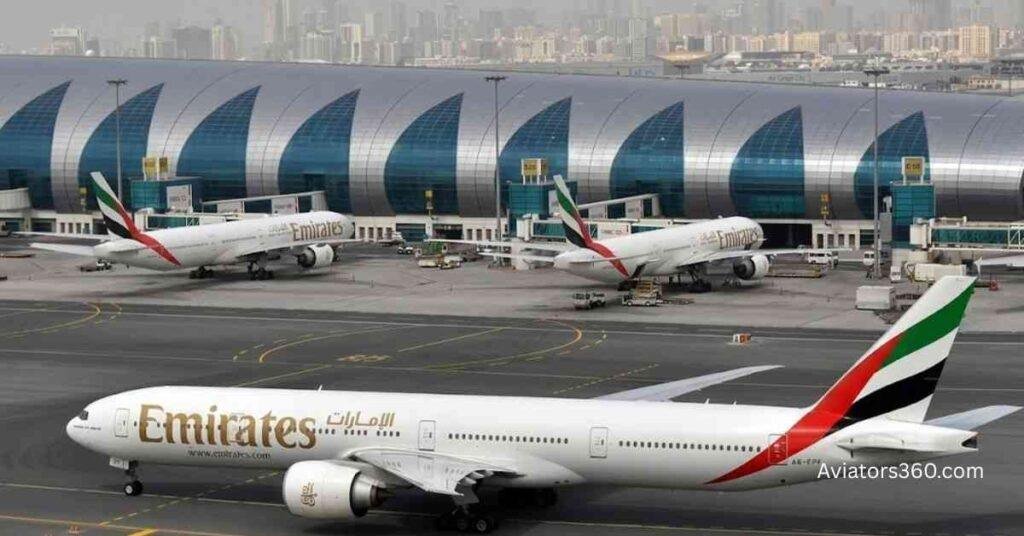
The changes in flight routes have practical consequences for both airlines and travelers.
For passengers, the most noticeable effect may be longer travel times. Flights that normally take seven or eight hours may take slightly longer if the aircraft needs to avoid certain areas.
In addition, longer routes increase fuel consumption. Aviation fuel represents one of the largest costs for airlines, so rerouted flights can raise operational expenses.
Passengers may also experience schedule adjustments. Some airlines may change departure times or aircraft schedules to accommodate the longer routes.
However, despite these challenges, airlines generally try to maintain normal operations whenever possible. Safety decisions are designed to minimize disruption while prioritizing passenger protection.
The Role of Aviation Authorities
International aviation is closely monitored by several organizations that help maintain global safety standards.
Civil aviation authorities in each country monitor regional developments and issue guidance to airlines. In addition, global organizations such as international aviation agencies share information about potential risks and airspace restrictions.
These organizations work together with airlines and governments to ensure that flight operations remain safe even during periods of geopolitical tension.
Airlines rely on this information to make informed decisions about whether to continue operating certain routes or adjust their flight plans.
How Airlines Communicate Changes
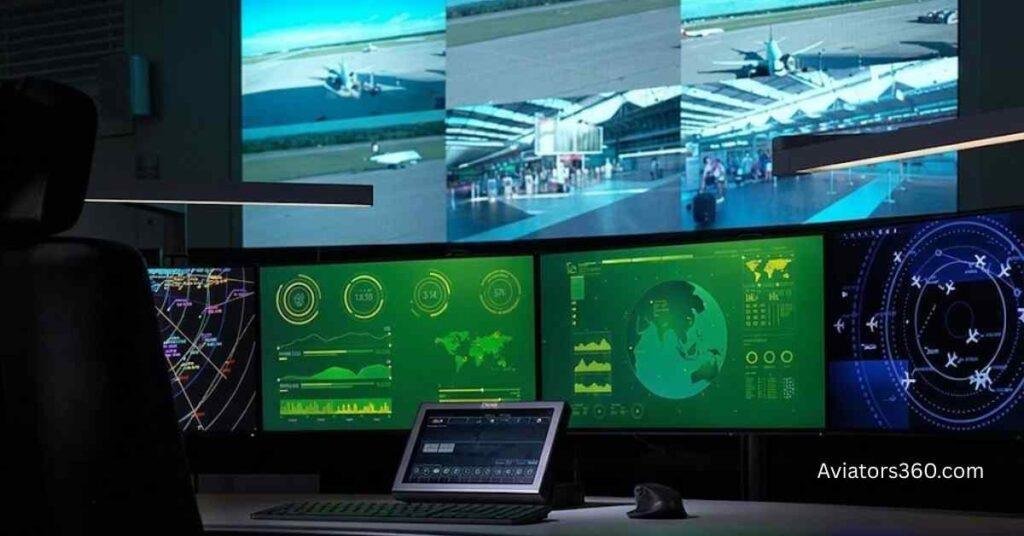
When flight routes or schedules are affected, airlines usually inform passengers through official announcements, travel alerts, or updates on their websites and mobile apps.
Travel agencies and airport authorities also play a role in sharing updated flight information with passengers. In many cases, travelers may not even notice route changes because airlines adjust the flight path while keeping the schedule relatively stable.
However, during periods of higher tension, passengers may be advised to check flight status before departure to avoid unexpected delays.
Possible Next Steps
The future impact on aviation will depend largely on how the situation in West Asia develops. If tensions ease, airlines may gradually return to their usual flight paths through the region.
On the other hand, if uncertainty continues, airlines may maintain alternative routes for a longer period.
The aviation industry has experience managing similar situations in the past. Airlines, regulators, and international organizations regularly adapt to changing geopolitical conditions while maintaining strict safety standards.
For passengers, the most important factor is that aviation authorities and airlines continue to monitor the situation closely and take preventive action whenever necessary.
Conclusion
The current tensions in West Asia serve as a reminder of how global events can influence the aviation industry. Because the region sits along key international flight corridors, developments on the ground can quickly affect air travel routes.
While passengers may experience longer travel times or minor schedule changes, these adjustments are part of a broader effort to maintain safety in international aviation.
Airlines, aviation authorities, and global organizations continue to monitor the situation and respond accordingly. Their coordinated efforts help ensure that air travel remains one of the safest forms of transportation, even during periods of regional uncertainty.
As the situation evolves, airlines will continue to adjust their operations to protect passengers and maintain reliable global connectivity.
Frequently Asked Questions (FAQs)
1. Why are airlines changing flight routes due to the West Asia conflict?
Airlines are changing flight routes mainly for safety reasons. When tensions rise in a region, aviation authorities may issue advisories warning airlines to avoid certain airspace. To reduce any potential risk to passengers and crew, airlines may choose alternative routes that bypass conflict-affected areas.
2. How does the West Asia conflict affect international flights?
The conflict can affect international flights by causing airlines to reroute aircraft, suspend certain routes, or adjust schedules. These changes may lead to slightly longer travel times and increased fuel costs, but they are primarily implemented to ensure passenger safety.
3. Why is West Asia important for global aviation routes?
West Asia sits between Europe, Asia, and Africa, making it a key corridor for long-haul flights. Many international routes pass through this region because it allows airlines to operate shorter and more efficient flight paths between continents.
4. Can flight rerouting increase travel time?
Yes, rerouting flights can increase travel time. When airlines avoid certain airspace, aircraft may need to fly longer distances through alternative corridors. Depending on the route, this can add anywhere from a few minutes to several hours to a journey.
5. Do conflicts always lead to flight cancellations?
Not always. In many cases, airlines simply adjust their routes instead of canceling flights. Cancellations usually happen only if the security situation directly affects a destination or airport. Most airlines try to maintain operations while ensuring safety.
Disclaimer:
The information presented in this blog is intended for general informational and educational purposes only. The content is based on publicly available reports, aviation industry updates, and general observations related to international air travel and regional developments in West Asia. While every effort has been made to ensure accuracy and clarity, the situation in the region may change over time, and updates may occur after the publication of this article.
This blog does not represent official statements from airlines, aviation authorities, governments, or international organizations. Readers are advised to refer to official airline announcements, government travel advisories, and aviation authority updates for the most current and reliable information regarding flight operations, airspace restrictions, or travel conditions.
The blog is written to provide a general understanding of how geopolitical developments can influence aviation operations and international flight routes. It should not be considered professional, legal, or travel advice. The publisher and author are not responsible for any decisions made based on the information provided in this content.