Introduction: The Technical Backbone of Modern Aviation
The aviation sector is often associated with pilots and cabin crew, but behind every safe takeoff and landing stands a large team of technical and engineering professionals. These individuals design aircraft systems, maintain engines, inspect equipment, manage airport technology, and ensure strict safety standards are followed.
As global air travel continues to expand, technical and engineering jobs in the aviation sector are gaining importance. Airlines are increasing fleet sizes, airports are modernizing infrastructure, and aircraft technology is becoming more advanced. All these developments require skilled engineers, technicians, and maintenance experts.
Employment trends indicate that demand for aviation technical professionals remains steady, supported by fleet expansion, aircraft upgrades, and safety regulations. For job seekers considering careers in aviation, engineering and technical roles offer stable employment, structured career paths, and opportunities to work in a highly regulated and respected industry.
Background: Understanding Technical & Engineering Roles in Aviation
Technical and engineering jobs in aviation cover a wide range of responsibilities. These roles focus on aircraft maintenance, system design, airport operations technology, and safety compliance.
One of the most critical positions in this field is the aircraft maintenance engineer. These professionals inspect aircraft before and after flights, repair mechanical issues, and certify that planes meet safety standards. Without their approval, an aircraft cannot legally operate.
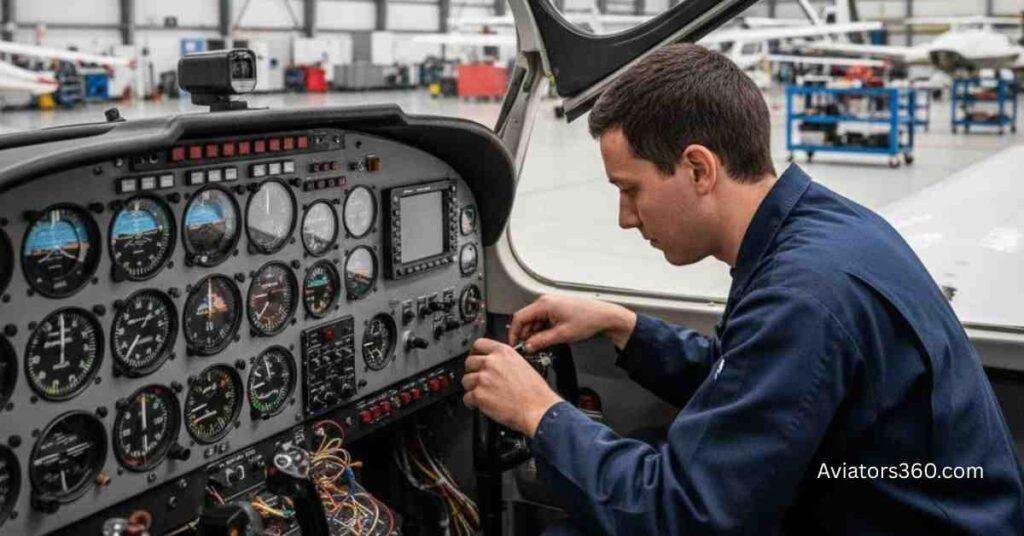
In addition to maintenance engineers, the sector employs avionics technicians who work on electronic systems such as navigation, communication, and flight control equipment. Aerospace engineers are involved in designing and improving aircraft structures and components. Ground engineers manage airport machinery, fueling systems, and support vehicles.
The aviation industry operates under strict safety regulations set by national and international authorities. Because of this, technical roles require formal training, certification, and regular skill updates.
Fleet Expansion and New Aircraft Orders
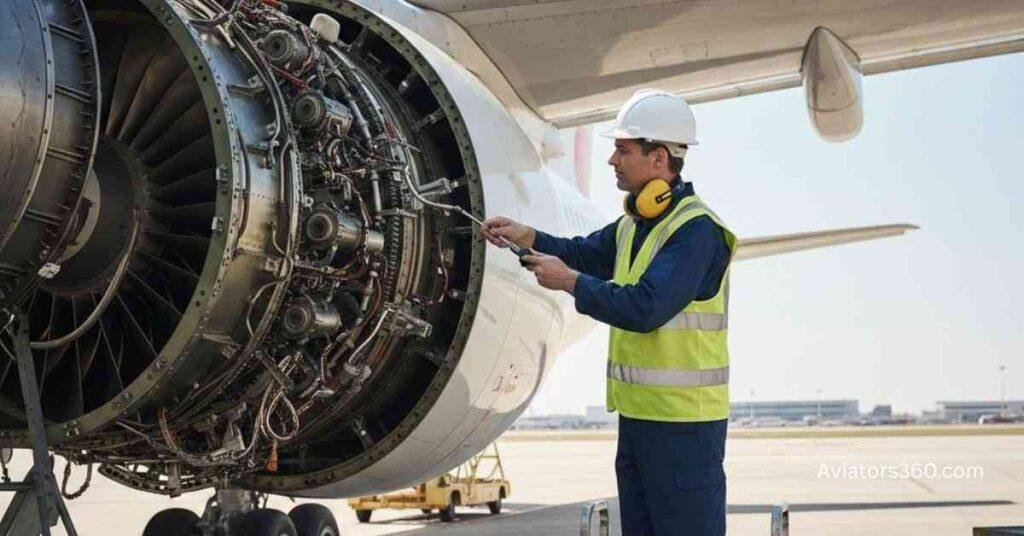
Airlines in many regions are expanding their fleets to meet growing passenger demand. New aircraft orders create direct demand for engineers and technicians who can service and maintain these aircraft.
Modern aircraft are equipped with advanced engines, digital flight systems, and fuel-efficient technologies. While these upgrades improve performance, they also require specialized knowledge for maintenance and repair.
Every new aircraft introduced into service must undergo routine inspections, scheduled maintenance checks, and component replacements. As fleet sizes increase, maintenance teams must expand accordingly.
This steady growth in fleet numbers supports long-term employment in aircraft engineering and ground technical services.
Advanced Aircraft Technology
Aircraft technology has evolved significantly over the past two decades. Modern planes rely on computerized flight management systems, digital cockpit displays, and automated monitoring tools.
Avionics engineers and system specialists are responsible for maintaining these electronic systems. Even minor technical issues must be carefully diagnosed and corrected to meet strict safety standards.
Digital monitoring tools now allow airlines to track aircraft performance in real time. Engineers analyze this data to identify potential issues before they become serious problems. This predictive maintenance approach reduces delays and improves safety.
As technology becomes more advanced, aviation employers are placing greater emphasis on specialized training and certification.
Airport Modernization and Ground Systems
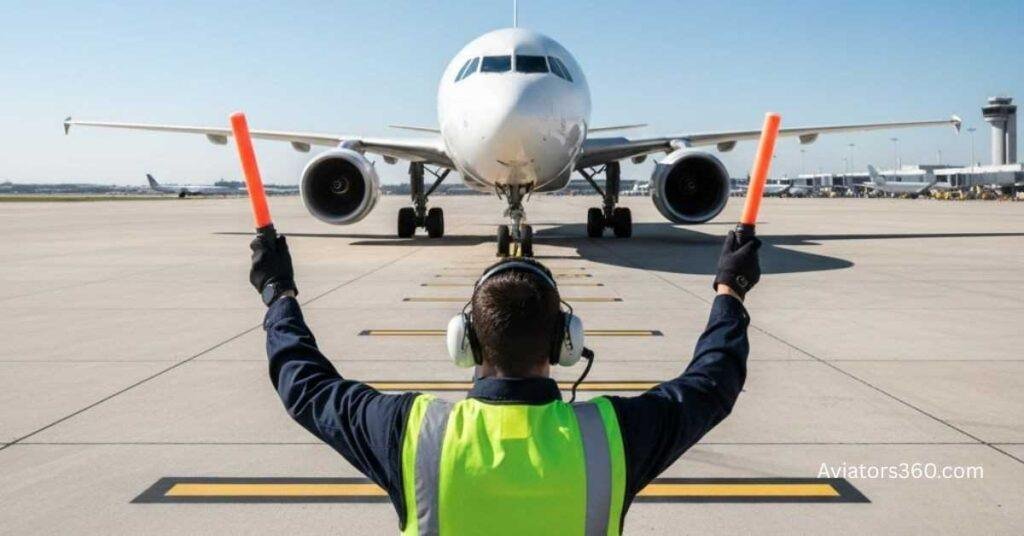
The aviation sector extends beyond aircraft. Airports themselves rely on complex technical systems. These include baggage handling equipment, runway lighting systems, radar installations, and air traffic control technology.
Engineering teams maintain and upgrade these systems to ensure smooth airport operations. Ground support equipment technicians service vehicles used for towing aircraft, loading cargo, and refueling.
Many airports are investing in smart technologies, including automated check-in systems and improved security scanning equipment. These upgrades create additional opportunities for IT engineers, electrical technicians, and systems operators.
Airport modernization projects often involve long-term planning, offering stable employment opportunities for technical professionals.
Safety Regulations and Compliance
Safety remains the highest priority in aviation. National aviation authorities and global regulatory bodies enforce strict inspection standards. Technical teams must follow detailed procedures for maintenance checks and documentation.
Aircraft undergo different types of inspections, including routine daily checks and more detailed periodic examinations. Engineers must record every repair, replacement, and system test.
Because of these strict regulations, technical professionals must undergo regular training and certification renewals. Continuous education ensures that engineers stay updated on new aircraft models and safety requirements.
The strong focus on compliance helps maintain public trust in air travel while sustaining steady demand for qualified technical staff.
Employment Trends and Career Pathways
Employment in aviation technical roles often follows a structured path. Many professionals begin as trainee technicians or junior engineers after completing approved training programs. With experience and additional certification, they can progress to senior engineer, quality control inspector, or maintenance manager positions.
Aircraft maintenance engineers typically require licensing from aviation authorities. This licensing process includes theoretical exams, practical training, and supervised work experience.
Salaries in aviation engineering roles are generally competitive due to the high level of responsibility involved. The industry also offers opportunities for international employment, as aircraft maintenance standards are recognized globally.
In addition, maintenance repair organizations and aircraft manufacturing companies provide employment outside airline operations.
Challenges Facing Aviation Technical Jobs
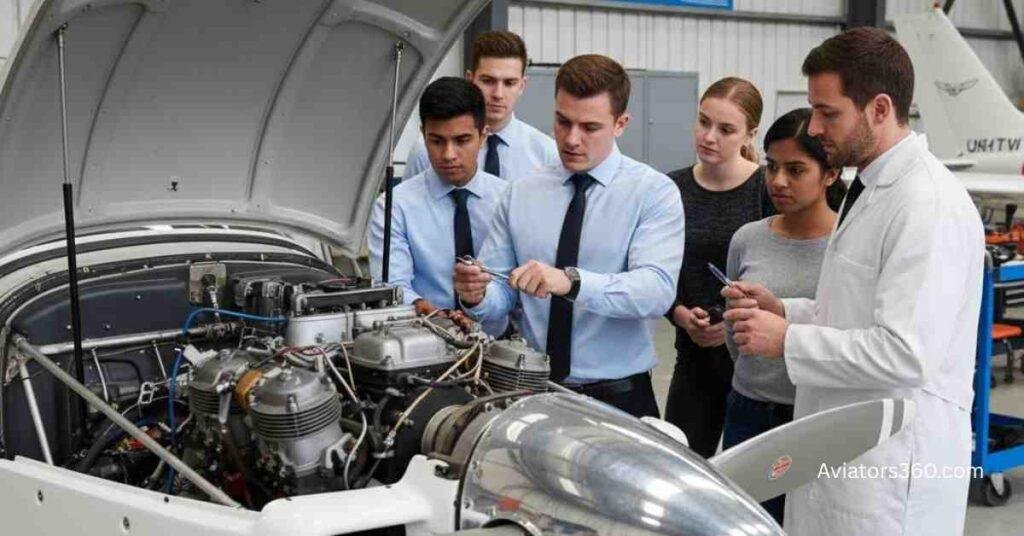
Despite positive growth, the aviation technical sector faces certain challenges. One key issue is the shortage of licensed engineers in some regions. Training and certification can take several years, creating gaps between demand and supply.
Rapid technological changes also require continuous learning. Engineers must adapt to new aircraft models and digital systems.
Work schedules can be demanding. Aircraft maintenance often takes place at night or during non-operational hours to avoid flight disruptions. This requires flexibility from technical staff.
However, industry experts believe that improved training programs and partnerships between airlines and technical institutes can help address these challenges.
Education and Training in Aviation Engineering
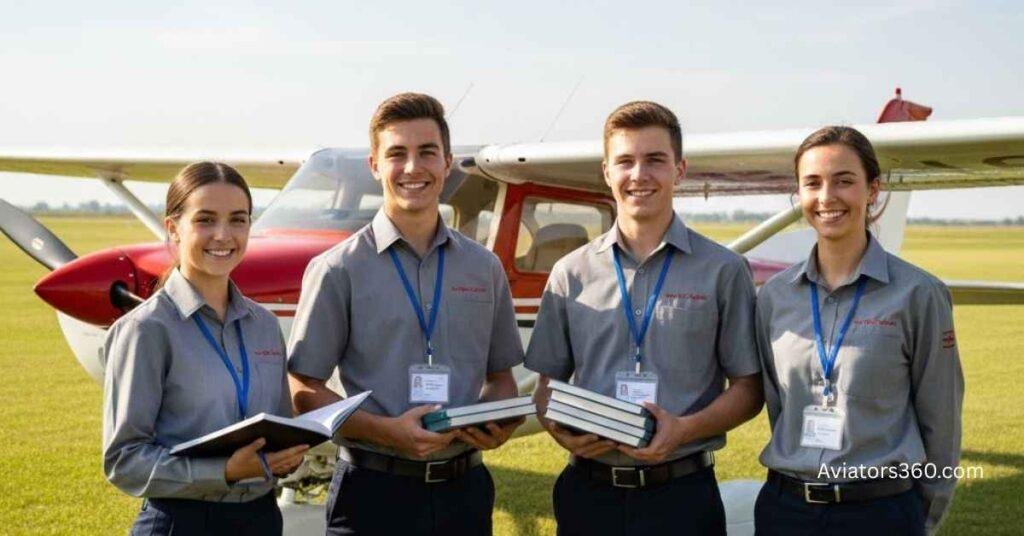
Technical careers in aviation require specialized education. Approved aviation training institutes offer diploma and degree programs in aircraft maintenance engineering and avionics.
Students typically study subjects such as aerodynamics, propulsion systems, electrical systems, and aviation regulations. Practical training is a core component, allowing students to work directly on aircraft under supervision.
Many airlines collaborate with training centers to create apprenticeship pathways. This approach helps students gain industry exposure before entering full-time roles.
Online technical courses also support ongoing learning, especially in areas such as digital diagnostics and safety compliance.
Future Outlook: What Lies Ahead for Aviation Engineers
Industry forecasts suggest that global air travel will continue to grow over the coming decades. Emerging markets are expanding airline networks, while established carriers are upgrading fleets.
Sustainable aviation initiatives, including fuel-efficient aircraft and alternative energy research, may create new engineering roles. Electric and hybrid aircraft concepts are under development, which could reshape technical requirements in the future.
As automation increases, engineers may rely more on data analysis and digital monitoring tools. However, human oversight will remain essential for safety and regulatory compliance.
Overall, technical and engineering jobs in the aviation sector are expected to remain stable and essential. These professionals play a critical role in maintaining safety, efficiency, and operational reliability.
Frequently Asked Questions (FAQ) –Technical & Engineering Jobs
What are technical jobs in aviation?
Technical jobs in aviation involve aircraft maintenance, avionics systems, airport engineering, and safety compliance.
Are aviation engineering jobs in demand?
Yes. Fleet expansion, new aircraft technology, and airport modernization are driving demand.
What qualification is required for aircraft maintenance?
Candidates typically need approved training, licensing, and practical experience under aviation authority guidelines.
Is aviation engineering a stable career?
Aviation engineering offers structured growth, competitive salaries, and steady demand due to strict safety regulations.
Disclaimer:
The information provided in this blog on Technical & Engineering Jobs in the Aviation Sector is for general informational and educational purposes only. While efforts have been made to ensure accuracy, employment trends, training requirements, certifications, and regulatory standards may change over time depending on industry developments and governing aviation authorities.
This content does not constitute professional career advice, legal guidance, or official regulatory information. Readers are encouraged to consult recognized aviation authorities, accredited training institutions, and official airline or airport organizations for the most current and specific requirements related to technical and engineering roles in aviation.
The publisher is not responsible for any decisions made based on the information presented in this blog.