
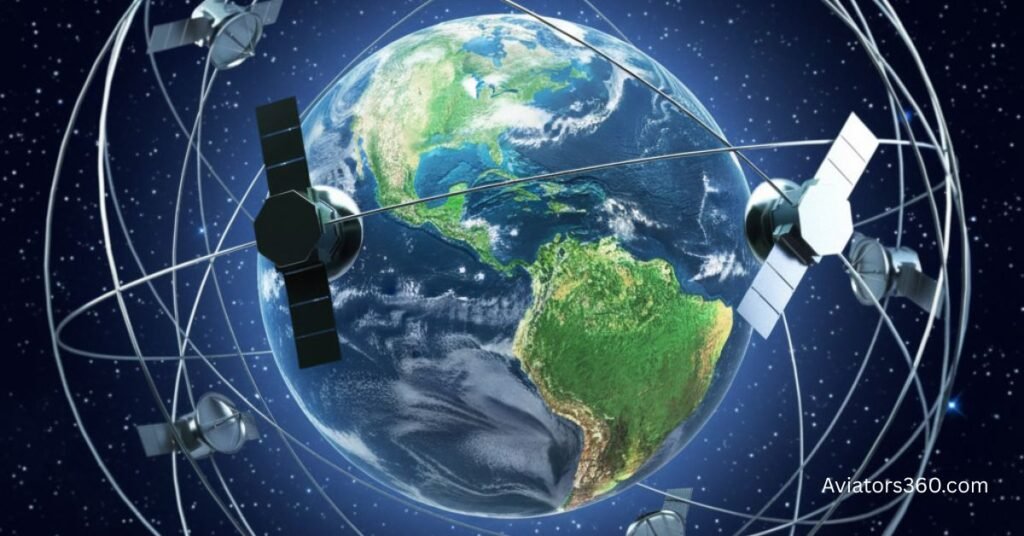
Interest is slowly but clearly growing around the Singapore Space Summit 2026, which is planned to take place in Singapore. The event is expected to bring together people from governments, space agencies, private companies, and research institutions. The main aim is to talk about how space technology is becoming more useful in everyday life.
Unlike earlier times, space is no longer only about astronauts or big rockets. Today, space helps people on Earth in many ways, such as mobile communication, internet services, weather forecasts, navigation apps, and disaster warnings. The 2026 summit is expected to focus on these practical uses of space and how countries can work together to use space responsibly.
Understanding the Singapore Space Summit
The Singapore Space Summit is a large meeting where experts and decision-makers come together to discuss space-related topics. These include satellites, space data, space safety, and business opportunities linked to space technology.
The 2026 edition is gaining attention because space activities in Asia are growing fast. Many countries in the region are now using satellites for communication, environment monitoring, and national planning. Singapore is seen as a good place to host such a summit because it is known for its strong rules, international outlook, and support for technology and innovation.
Why This Summit Is Important
Space affects daily life more than many people realize. When people use GPS on their phones, check weather updates, or watch live TV from another country, satellites play a role. The summit aims to explain how these systems work and how they can improve in the future.
Another reason the summit matters is cooperation. Space is shared by all countries, so working together is important. Problems like space junk, satellite safety, and fair access to space need joint solutions. The summit provides a neutral place for open discussion.
Asia’s Growing Role in Space
Asia’s role in space has changed a lot in recent years. Earlier, only a few countries were active in space. Now, many Asian nations are launching satellites or using space data for public services.
Singapore has taken a practical approach. Instead of focusing on rocket launches, it supports satellite services, data use, and international partnerships. This helps industries such as shipping, aviation, city planning, and climate research.
By 2026, more Asian countries are expected to have their own space plans. The summit will likely highlight how these countries can learn from each other and avoid repeating mistakes.
Developments Leading Up to 2026
Several developments are adding to the excitement around the summit. Governments across Asia are updating their space policies to include private companies and startups. At the same time, investment in space-related businesses is increasing.
In Singapore, research centers and companies are working on small satellites and space-based data services. These projects are designed to solve real problems, such as traffic planning, flood prediction, and tracking ships at sea.
There is also growing concern about space safety. With more satellites being launched, the risk of collisions and space debris is rising. This issue is expected to be an important topic at the summit.
Expected Participants
The summit is expected to welcome a wide range of participants. These may include government officials, space agency representatives, company leaders, engineers, and researchers. Universities and training institutes may also join discussions on education and skill development.
Financial institutions and international organizations could attend as well, showing how space is linked to economic growth and development goals. For smaller or developing countries, access to space data can support better planning and disaster management.
Topics Likely to Be Discussed
While the full program has not yet been released, some key topics are expected. One is satellite communication, especially internet services for remote and sea areas. Many regions still lack strong connectivity, and space-based solutions can help.
Earth observation is another important area. Satellites collect images and data about land, oceans, and weather. This information helps governments prepare for natural disasters, manage resources, and study climate change.
Rules and regulations will also be discussed. Clear laws are needed to ensure space is used safely and fairly. Singapore’s experience in setting clear regulations may help guide these talks.
Looking at the Future Impact
The Singapore Space Summit 2026 may have an impact long after the event ends. New partnerships, business deals, and policy ideas could come out of the discussions.
For Singapore, the summit strengthens its position as a meeting point for space-related talks in Asia. For other countries, it offers a chance to share ideas and learn from global experts.
Most importantly, the summit helps people understand that space is not far away or only for scientists. It is closely connected to daily life, from communication and travel to safety and environmental protection.
The Road Ahead
As planning continues, interest in the Singapore Space Summit 2026 is expected to grow further. The event comes at a time when space is becoming more useful, more crowded, and more important for life on Earth.
By keeping discussions simple, practical, and cooperative, the summit aims to guide the future of space use in a responsible way. For common readers, it shows how space technology quietly supports modern life and why discussions about its future matter to everyone.
Disclaimer:
This blog is based on publicly available information and general industry developments at the time of writing. Details related to the Singapore Space Summit 2026, including dates, agenda, and participants, may change as official announcements are released. The content is intended for general information only and does not represent official statements from event organizers or participating organizations.