
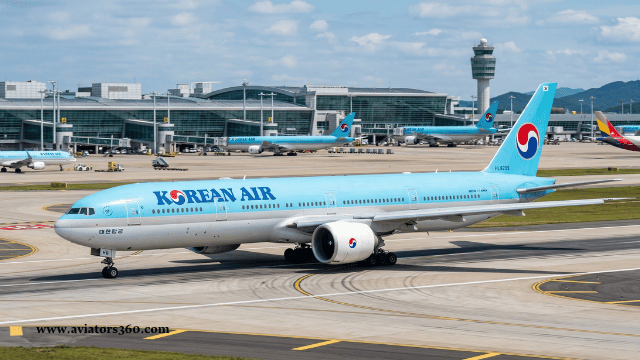
Korean Air just declared an “emergency management mode.”
Sounds dramatic. But in aviation, this is the equivalent of the captain telling the cabin to brace.
The reason? Jet fuel prices have more than doubled since the US-Israel war with Iran began on February 28. Crude oil is up over 50%. And for an industry that runs on thin margins, this is a full-blown crisis.
Let’s break down what’s happening, why it matters, and who’s feeling the heat.
What Korean Air Is Doing
Korean Air isn’t cutting flights—yet. But they’ve told employees they’re preparing for a “surge in fuel expenses.”
The moves so far:
Internal cost reductions (slowing upgrades, delaying investments)
A focus on “structural foundation” rather than one-time fixes
Monitoring fuel prices closely to trigger deeper cuts if needed
Asiana Airlines and Busan Air have also entered emergency mode. South Korea is especially vulnerable—it imports most of its oil from the Gulf.
This Isn’t Just Korea—It’s Everywhere
The BBC report shows a domino effect across Asia:
| Country | Airline | Action Taken |
|---|---|---|
| South Korea | Korean Air, Asiana | Emergency management mode |
| China | China Eastern | Warning on operational impact, raised fuel surcharges |
| Hong Kong | Cathay Pacific | Added fuel surcharges, fares rising |
| India | Air India, others | Fare caps removed, domestic flights expected to drop 10% |
| Singapore | Singapore Airlines, Scoot | Raised fares (fuel is 30% of their costs) |
| Vietnam | Vietnam Airlines | Suspended domestic flights, facing jet fuel shortages |
| Philippines | All carriers | National energy emergency declared; grounding “a distinct possibility” |
| Australia | Qantas | Shifting larger aircraft to Europe routes; Jetstar cutting flights |
Why This Hits Hard for Airlines (and Pilots/Crew)
Fuel is usually an airline’s single biggest expense. For Singapore Airlines, it’s 30% of spending. When fuel costs double, there’s no way to absorb that without changes.
What this means for aviation professionals:
Fewer flights: Airlines will cut routes, especially unprofitable domestic or regional ones. That means fewer flying hours for pilots and crew.
Fare hikes: Passengers pay more. Demand may soften.
Older aircraft get parked: Older jets burn more fuel. If an airline has a mixed fleet, the gas guzzlers will be the first to go.
Hiring slowdowns: When margins shrink, expansion pauses. Cadet programs, new FO hires, and cabin crew recruitments may slow.
Smaller carriers are most vulnerable: As the report notes, smaller airlines have fewer levers to pull. Some may not survive.
The Aviators360 Take
If you’re a pilot or crew member in India or anywhere in Asia, this is a moment to watch closely.
The short-term reality: Fewer flights, tighter margins, and operational uncertainty. If you’re planning to join an airline this year, be prepared for possible delays in training or type rating slots.
The long-term view: Airlines that survive these shocks emerge leaner and stronger. The ones with younger fleets, strong balance sheets, and flexible route networks will weather the storm best.
For now, keep your hours up, stay current, and keep an eye on fuel prices. In this industry, what happens at the pump affects everything—from your paycheck to your next command upgrade.
Blue skies and tailwinds—even when fuel prices are climbing.
— Ashutosh Bansal
Founder, Aviators360