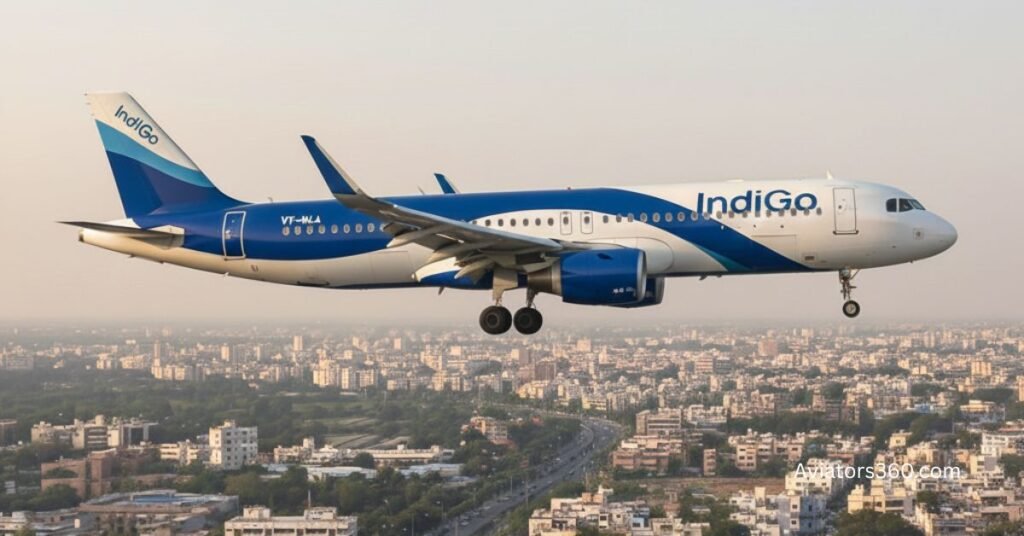
Indian aviation reached a historic moment as VTNLA, the first Airbus A321 XLR aircraft in India, headed towards Delhi. This aircraft is special because it is not just new for the country, but also new for IndiGo, which added the A321 XLR to its fleet for the first time. The arrival of this aircraft shows how Indian airlines are preparing for longer international flights using modern, fuel-efficient planes.
For many years, airlines needed large, wide-body aircraft to fly long distances from India to Europe or far parts of Asia. These big planes are powerful, but they also cost more to operate. The Airbus A321 XLR offers a different solution. It is a smaller, single-aisle aircraft that can fly much farther than earlier planes of its size, while using less fuel. As VTNLA moves closer to Delhi, it marks the beginning of a new way of flying long routes from India.
A New Chapter in Indian Aviation
The Airbus A321 XLR is designed for medium- to long-distance travel. “XLR” means Extra Long Range. In simple words, this aircraft can fly very far without needing the size of a big aircraft. This makes it useful for airlines that want to open new international routes but also want to keep costs low.
With VTNLA, IndiGo enters a new stage of operations. The airline can now plan longer routes that were earlier possible only with larger aircraft. At the same time, IndiGo can continue following its cost-saving model, which focuses on fuel efficiency and simple operations.
This development also shows how Indian aviation is growing. As more people travel abroad and demand increases, airlines need modern aircraft that can handle long distances without becoming too expensive to run.
Descent into the Capital
As VTNLA begins its descent towards Delhi, the moment is important. It is not just another aircraft landing at an airport. It represents progress in technology and aircraft design. It also shows how Indian airlines are adopting new global aviation trends.
The aircraft is guided by modern flight systems and supported by air traffic controllers to ensure a smooth and safe approach. Its destination, Indira Gandhi International Airport, is one of the busiest airports in the country. This makes the arrival even more meaningful, as the aircraft joins daily operations at a major aviation hub.
For many people watching from the ground, this landing is a sign that Indian aviation is moving forward with confidence.
Why the Airbus A321 XLR Is Different
At first glance, the Airbus A321 XLR looks similar to the Airbus A321 Neo, which already flies on many Indian routes. However, there are important differences.
The normal A321 Neo is mainly used for short and medium-distance flights. It works well for regional and nearby international routes. The A321 XLR, on the other hand, is built to fly much longer distances.
Simple Facts About the Airbus A321 XLR
- Maximum Range: Around 4,700 nautical miles, or about 8,700 kilometers
- Engines Used:
- CFM LEAP-1A
- Pratt & Whitney PW1100G-JM (also called GTF engines)
- Fuel Use: Up to 30 percent less fuel per seat compared to older aircraft
- Maximum Take-Off Weight: Around 101 tonnes, the highest in the A321 family
In simple terms, this means the aircraft can fly farther, use less fuel, and carry enough weight safely for long journeys.
The Rear Centre Tank: The Main Reason for Longer Range
The most important feature of the A321 XLR is something called the Rear Centre Tank, or RCT. This is the key reason why the aircraft can fly longer distances.
Earlier aircraft sometimes used extra fuel tanks placed inside the cargo area. This reduced space for bags and cargo. The A321 XLR is different. Its Rear Centre Tank is permanently built into the aircraft’s body.
This design brings several benefits:
- It increases fuel capacity without reducing luggage space
- It helps keep the aircraft balanced during long flights
- It improves the aircraft’s overall efficiency
Because of this built-in tank, the A321 XLR can travel longer distances comfortably and safely.
How the A321 XLR Is Different from the A321 Neo
Although both aircraft belong to the same family, their roles are different.
The A321 Neo is best for shorter trips and nearby international flights. The A321 XLR is meant for long international journeys that earlier required bigger aircraft.
In simple words:
- A321 Neo: Short to medium routes
- A321 XLR: Long international routes
This difference gives airlines more choices. They can use the right aircraft for the right route, which saves money and improves efficiency.
What This Means for IndiGo
For IndiGo, the arrival of VTNLA is a big step. It gives the airline more flexibility in planning routes and expanding its international network.
With the A321 XLR, IndiGo can:
- Fly longer routes that earlier needed wide-body aircraft
- Save fuel and reduce operating costs
- Reach new destinations in Asia, Europe, and nearby regions
This allows the airline to grow slowly and carefully, without taking big financial risks.
What This Means for Passengers
For passengers, the arrival of the A321 XLR could bring several benefits in the future. People may see more direct international flights from Indian cities. This can reduce travel time and avoid long waiting periods at connecting airports.
The aircraft is also designed to be comfortable for longer flights. It has quieter engines, better air systems, and modern interiors. Even though it has only one aisle, it is built to handle long journeys smoothly.
Better fuel efficiency may also help airlines keep ticket prices reasonable over time.
Touchdown of a Milestone
As the wheels of VTNLA prepare to touch the runway in Delhi, a new chapter begins for Indian aviation. This is not just the landing of a new aircraft. It is the arrival of India’s first Airbus A321 XLR, a plane that represents smarter planning and longer reach.
VTNLA shows how Indian airlines are getting ready for the future. With modern, fuel-efficient aircraft like the A321 XLR, India is moving closer to a future where more international destinations can be reached directly, safely, and efficiently.
Also Read : Airbus and China Airlines A350-1000 Agreement Strengthens Fleet Expansion Plans
Also Read : The MD-11 Controversy: Why This Tri-Jet Has Suffered 10 Hull Losses
Also Read : SpiceJet’s Big Move: More Planes & Flights After Rival IndiGo Faces Trouble
Disclaimer:
This blog is intended for general information purposes only. The information shared here is based on publicly available sources and industry reports available at the time of writing. Aircraft specifications, operational plans, and route details may change due to regulatory, technical, or commercial reasons. The views expressed do not represent any airline, aircraft manufacturer, or aviation authority. Readers are advised to verify details with official airline or airport sources where required.
Pingback: IndiGo Europe Flights from India: New Routes, A321XLR Expansion