

Closer trade ties signal new momentum for aviation manufacturing and airline growth
Introduction
A proposed trade deal between India and the United States is being widely viewed as a potential turning point for the aerospace sector. Industry observers say improved trade conditions could encourage greater sourcing of aircraft components from India and support fresh aircraft orders by Indian airlines from U.S. manufacturers. While discussions are still evolving, the direction of talks suggests a stronger partnership that could benefit both economies and reshape aviation supply chains.
Background: A Growing Aviation Relationship
India and the United States have steadily expanded their economic engagement over the past decade, with aerospace emerging as a key area of cooperation. The U.S. remains one of the world’s largest aircraft manufacturing hubs, while India is among the fastest-growing aviation markets. Rising air travel demand, expanding airline fleets, and government efforts to build domestic manufacturing capacity have brought the two countries closer in this strategic sector.
Indian companies already supply parts, assemblies, and engineering services to major U.S. aircraft makers, including Boeing. These partnerships have helped Indian firms move up the value chain, from basic components to more complex structures and systems. A formal trade deal could further reduce barriers, streamline processes, and provide long-term certainty for investors and manufacturers on both sides.
Key Developments in the Trade Talks
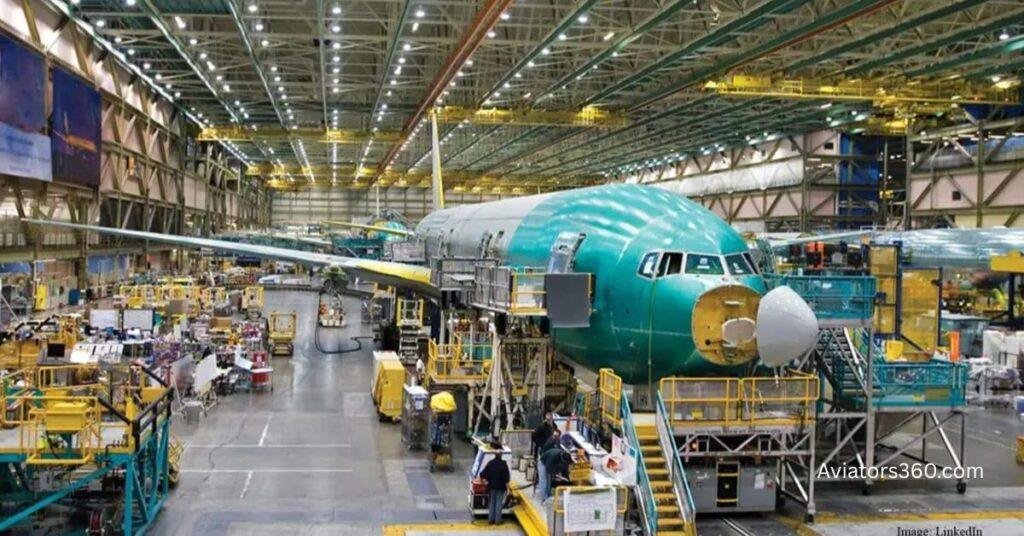
Officials and industry representatives familiar with the discussions say the proposed trade arrangement aims to improve market access and create a more predictable business environment. For aerospace, this could mean easier movement of parts and materials, clearer regulatory alignment, and stronger protection for long-term contracts.
One area drawing attention is aircraft procurement. Indian airlines are in the middle of aggressive expansion plans to meet rising passenger demand. With air travel in India expected to grow steadily over the coming years, carriers are placing large aircraft orders to expand and modernize their fleets. Industry analysts believe improved trade ties with the United States could make it easier for airlines to finalize deals with U.S.-based manufacturers, both in terms of financing and delivery schedules.
Boost for Aerospace Sourcing from India
A major expected impact of the trade deal is a rise in aerospace sourcing from India. Indian manufacturers have built a reputation for cost efficiency, engineering talent, and reliable production. Many already supply fuselage parts, wiring systems, and precision components to global aircraft programs.
With a supportive trade framework, U.S. companies may increase their sourcing from India, viewing it as a long-term manufacturing base rather than just a support market. This could lead to more contracts for Indian suppliers, higher production volumes, and the creation of skilled jobs across multiple states.
Experts note that such sourcing growth would not happen overnight. However, clearer trade rules and stronger political backing can give companies the confidence to invest in new facilities, advanced machinery, and workforce training in India.
Aircraft Orders and Airline Expansion
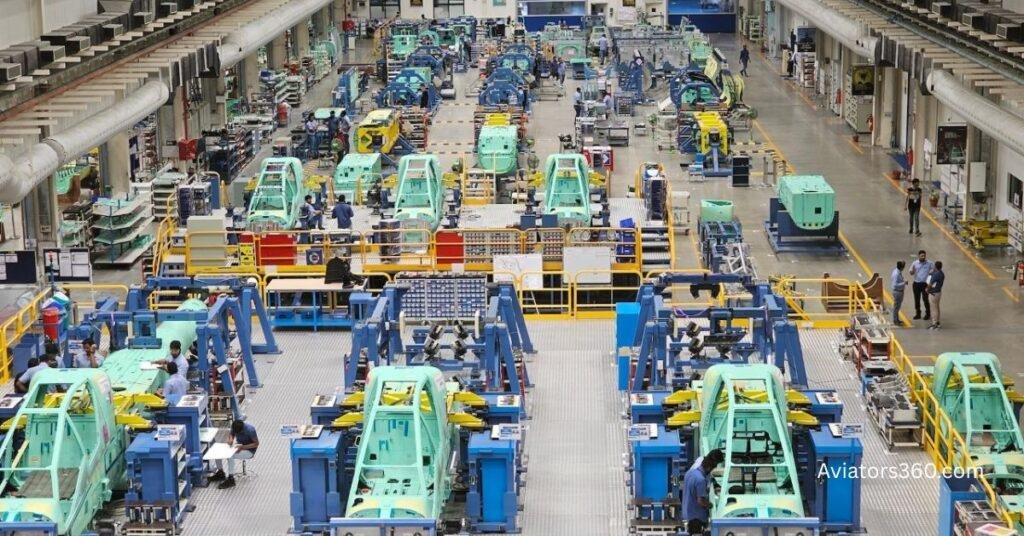
India’s airline sector is undergoing rapid change. New routes, rising middle-class incomes, and better regional connectivity are driving demand for more aircraft. U.S. manufacturers are well-positioned to benefit if trade ties deepen, as Indian airlines look to diversify and expand their fleets.
A trade deal could also improve after-sales support, spare parts availability, and maintenance cooperation. These factors play a crucial role in airline decision-making, often as important as the aircraft price itself. Better cooperation could reduce operating costs and improve fleet reliability for Indian carriers.
From the U.S. perspective, stronger aircraft orders from India would support manufacturing jobs and sustain production lines over the long term, creating a mutually beneficial cycle.
Impact on Jobs and Skills
Beyond aircraft and components, the aerospace partnership has wider economic implications. Increased sourcing and orders could support thousands of jobs in both countries. In India, it would strengthen the push toward advanced manufacturing and high-skilled employment. In the United States, it would help maintain leadership in aircraft design, systems integration, and final assembly.
Industry leaders often point out that aerospace supply chains are deeply interconnected. Growth in one part of the chain can support activity across multiple regions, from raw materials to final delivery and maintenance.
Challenges and What Comes Next
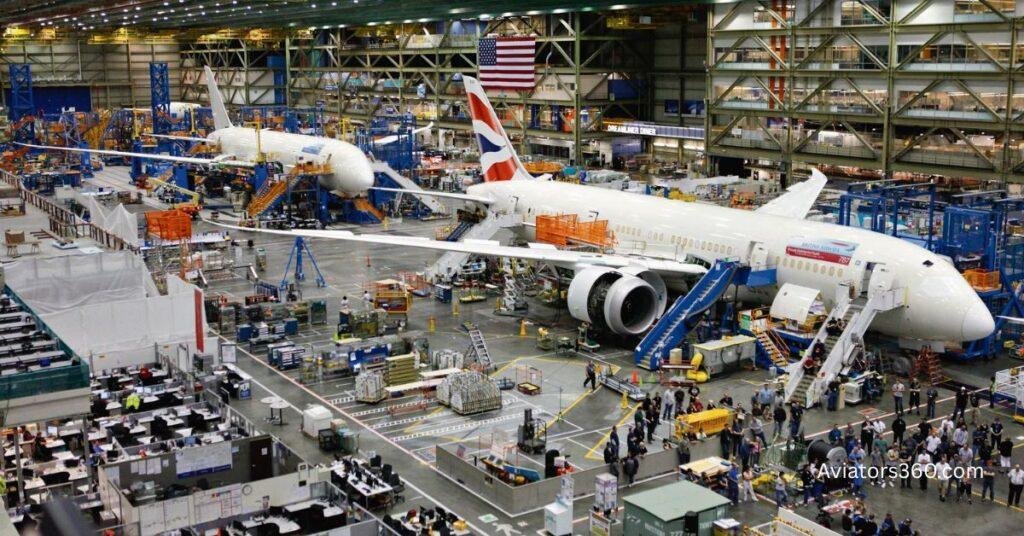
Despite the positive outlook, challenges remain. Trade negotiations can take time, and aerospace regulations are complex. Certification standards, export controls, and compliance requirements must be carefully aligned to avoid delays or disputes.
There is also global competition to consider. Other countries are actively seeking a larger share of aerospace manufacturing and aircraft orders. To succeed, India and the United States will need to ensure that their trade framework remains competitive, transparent, and responsive to industry needs.
Observers say the next steps will likely include continued dialogue between governments, consultations with industry stakeholders, and gradual implementation of agreed measures. Clear communication and steady progress will be key to turning expectations into tangible outcomes.
Conclusion
The proposed India–U.S. trade deal is being closely watched by the aerospace industry for good reason. By encouraging greater sourcing from India and supporting new aircraft orders, the agreement could strengthen an already important aviation partnership. While final outcomes will depend on the details of the deal and its execution, the direction points toward deeper cooperation, shared growth, and long-term benefits for both countries.
Disclaimer :
This blog is based on publicly available information, industry observations, and ongoing discussions at the time of publication. The details and outcomes related to the India–U.S. trade deal may evolve as negotiations progress. The content is intended solely for informational purposes and does not constitute financial, investment, legal, or policy advice. Readers are advised to refer to official government statements and company disclosures for the most current and accurate information.