
The aviation sector is one of the most dynamic industries in the world. Every day, thousands of aircraft take off and land across airports, supported by a large network of professionals working behind the scenes. From pilots in the cockpit to engineers maintaining aircraft systems and airport managers coordinating operations, aviation offers a wide range of career opportunities.
For many students and job seekers, the biggest question is not whether to join aviation, but how to enter it and which path to choose. The industry is structured, regulated, and skill-driven. Each position demands its own set of qualifications, training, and credentials. Understanding these pathways early can help candidates plan their academic and professional journey in the right direction.
This guide explains, step by step, how individuals can enter the aviation sector, what educational qualifications are required, what training is necessary, and where to apply for jobs. It presents the information in a clear and practical format so that even someone with no technical background can understand the process.
Step 1: Choose Your Career Path in Aviation
The aviation industry is divided into multiple functional areas. Before starting any course or training, it is important to decide which area suits one’s interests, skills, and long-term goals.
Broadly, aviation careers fall into the following categories:
1. Flying Roles
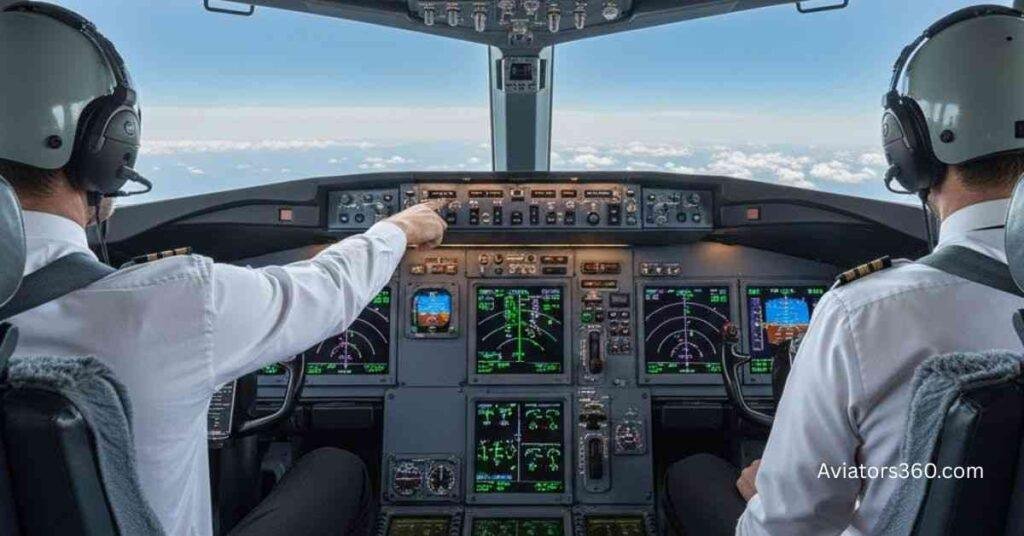
Flying roles are often the most visible careers in aviation. These include:
- Commercial Pilot
- First Officer
- Airline Captain
Pilots are tasked with flying aircraft while maintaining safety and performance standards. They undergo intensive flight training and must meet strict regulatory standards. This path suits individuals who are comfortable with responsibility, decision-making under pressure, and continuous learning.
2. Technical / Engineering Roles

Technical professionals ensure that aircraft remain airworthy and safe. These roles include:
- Aircraft Maintenance Engineer (AME)
- Aerospace Technician
- MRO (Maintenance, Repair, Overhaul) Specialist
Engineering roles are ideal for those who enjoy mechanical systems, troubleshooting, and hands-on technical work. Safety standards in this area are very strict, and certifications are mandatory.
3. Airport Operations

Airport operations include:
- Ground Staff
- Customer Service Agents
- Baggage Handling Staff
- Ramp Operations
These professionals ensure that passengers, luggage, and aircraft movements are handled smoothly. This area suits people who enjoy interacting with travelers and working in fast-paced environments.
4. Air Traffic & Flight Operations

Air traffic and flight operations roles include:
- Air Traffic Controller (ATC)
- Flight Dispatcher
- Operations Controller
Air traffic controllers direct and monitor aircraft to ensure safe air and ground movement. It is a high-responsibility role requiring strong concentration and technical understanding.
5. Management & Corporate Roles

Aviation is also a large corporate industry. Career options include:
- Airport Management
- Aviation Safety Officer
- Airline Corporate Roles
- Finance, HR, Marketing in Airlines
These positions are suitable for graduates who prefer administrative, strategic, or business-focused roles rather than operational ones.
Step 2: Understand Educational Requirements
Educational qualifications play a crucial role in determining which aviation career path is available.
After 10+2 (Science Stream)
Students who complete 10+2 with Physics and Mathematics have access to the following paths:
- Pilot Training
- Aircraft Maintenance Engineering (AME)
- Air Traffic Control (ATC)
Physics and Mathematics are mandatory for most technical and flying roles because these careers involve calculations, navigation principles, and aircraft systems knowledge.
After 10+2 (Any Stream)
Students from any stream can pursue:
- Cabin Crew
- Ground Staff
- Customer Service Roles
These roles focus more on communication skills, grooming standards, and customer handling rather than technical academic subjects.
After Graduation
Graduates can apply for:
- Airport Management Programs
- Aviation Safety Courses
- Airline Corporate Positions
- Operations Management Roles
Graduation is often preferred for supervisory and administrative roles. Some management positions may also require an MBA or specialized aviation management degree.
Step 3: Get Required Training and Certification
Aviation is a regulated industry. Training and certification are not optional. Every operational role requires approval from regulatory authorities.
Pilot

To become a pilot, candidates must:
- Join a recognized flight training academy
- Complete required flying hours
- Pass written examinations
- Obtain a license from Directorate General of Civil Aviation
The process involves multiple stages, including a Student Pilot License, Private Pilot License, and Commercial Pilot License.
Cabin Crew

Cabin crew members are usually selected directly by airlines. After selection:
- They undergo airline-specific training
- Learn safety procedures
- Complete emergency handling practice
No specific technical degree is required, but communication skills and personality standards are important.
Aircraft Maintenance Engineer (AME)

To become an AME:
- Enroll in a DGCA-approved AME institute
- Complete theoretical and practical training
- Pass licensing examinations conducted by Directorate General of Civil Aviation
Only licensed engineers are allowed to certify aircraft as airworthy.
Air Traffic Controller (ATC)

ATCs are recruited through competitive exams conducted by the Airports Authority of India. The selection process includes:
- Written examinations
- Voice and aptitude tests
- Medical assessments
After selection, candidates undergo structured training before posting.
Ground Staff

Ground staff may:
- Complete aviation diploma courses
- Apply directly to airlines
- Receive airline-provided training after selection
Formal degrees are not always mandatory, but professional certification can improve employability.
Step 4: Apply for Jobs
Once education and certification are complete, candidates can apply through:
- Airline career websites
- Airport authority recruitment portals
- Aviation training institutes
- MRO and aerospace company portals
Many airlines publish vacancies directly on their official websites. Airport authorities conduct recruitment drives periodically. Technical roles may also be available with maintenance organizations and aerospace firms.
Applicants are advised to verify official sources before applying and ensure that their qualifications meet regulatory standards.
Background and Industry Outlook
The aviation sector continues to expand due to increased air travel demand, airport modernization, and fleet expansion. As passenger numbers grow, the need for trained professionals also rises.
However, the industry is highly regulated and competitive. Safety compliance, skill standards, and licensing requirements make preparation essential. Candidates who plan early, choose the correct stream, and complete proper certification have better chances of securing employment.
Possible Impact and Future Opportunities
Aviation offers stable career growth, international exposure, and structured career progression. Pilots progress from First Officer to Captain as they gain experience. Engineers can specialize in specific aircraft types. Airport professionals can grow into management roles.
With the expansion of regional airports and international routes, opportunities are expected to increase across flying, engineering, operations, and corporate segments.
Conclusion
Entering the aviation sector requires careful planning, correct educational choices, and mandatory certification. The first and most important step is selecting the right career path based on interest and academic background. From there, candidates must complete the required training, obtain licenses if necessary, and apply through official recruitment channels.
Aviation is not limited to pilots and cabin crew. It is a broad industry offering diverse roles for science students, commerce graduates, and management professionals alike. With the right preparation and verified training, individuals can build long-term careers in one of the world’s most structured and safety-focused industries.
Frequently Asked Questions (FAQ)
What qualification is required to become a pilot?
A candidate must complete 10+2 with Physics and Mathematics and undergo flight training followed by licensing.
Can a commerce student join aviation?
Yes, commerce students can apply for cabin crew, ground staff, and airport management roles after graduation.
Is AME different from aerospace engineering?
Yes, AME focuses on aircraft maintenance licensing, while aerospace engineering is a broader academic engineering degree.
Who conducts ATC recruitment in India?
ATC recruitment is conducted by the Airports Authority of India through competitive exams.
Are aviation jobs stable?
Aviation careers offer structured growth, but they require strict compliance with training and certification standards.
Disclaimer :
The information provided in this blog about how to become an aviation professional is intended for general informational and educational purposes only. While every effort has been made to ensure accuracy, aviation rules, eligibility criteria, training requirements, licensing processes, and recruitment procedures may change over time.
Readers are advised to verify all details directly with official authorities, recognized aviation training institutes, airline career portals, airport authorities, or regulatory bodies before making any academic or career decisions.
This content does not represent official guidance from any airline, airport authority, or aviation regulatory organization. The blog is not a substitute for professional counseling, official notifications, or certified training advice.
Career outcomes in the aviation sector may vary based on individual qualifications, performance, medical fitness, regulatory approvals, and market conditions.