Introduction: Understanding Flying Jobs in Today’s Aviation Industry
Flying jobs continue to attract thousands of young professionals each year. The aviation industry connects cities, countries, and continents. Behind every successful flight, there is a trained team working with precision and responsibility.
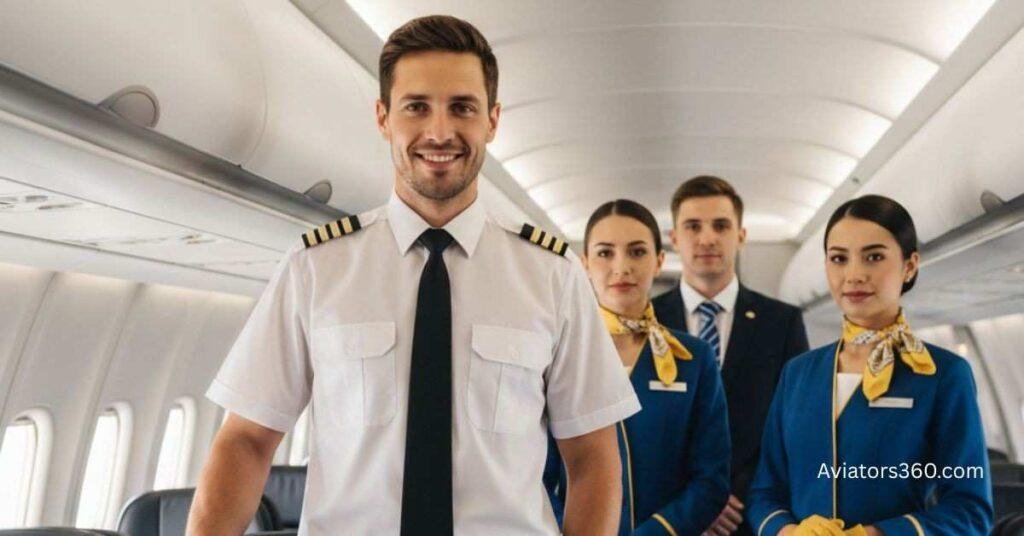
Among the most recognized flying jobs are Commercial Pilot, First Officer, Flight Instructor, and Cabin Crew (also known as Flight Attendant). Each role carries different duties, training requirements, and career paths. Together, they ensure that passengers travel safely and comfortably.
This article explains these aviation careers in clear and simple language. It describes how these roles developed, what qualifications are needed, and what future opportunities may look like in the aviation sector.
The Role of a Commercial Pilot
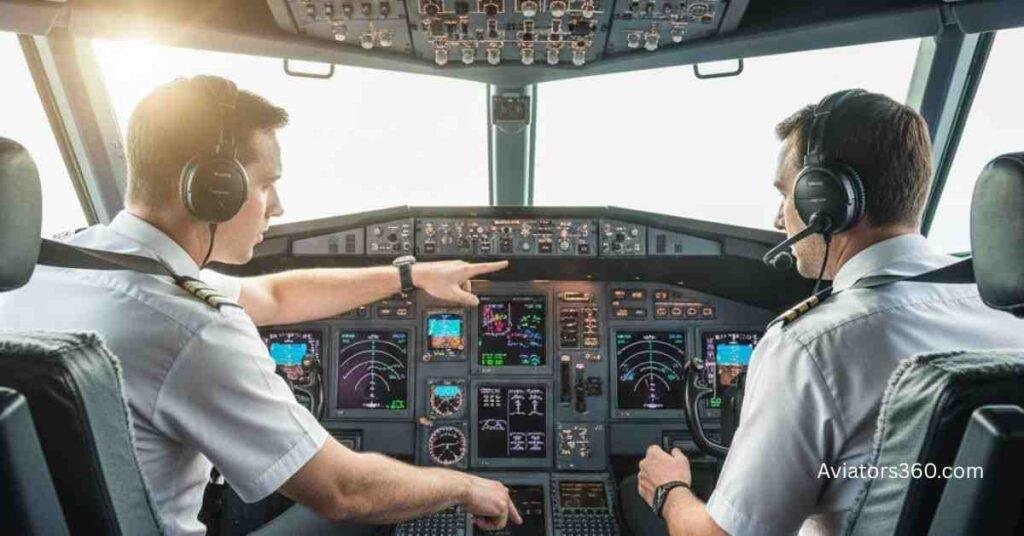
A Commercial Pilot is responsible for flying aircraft that carry passengers or cargo. These professionals work for airlines, charter companies, cargo operators, and sometimes corporate aviation firms.
A Commercial Pilot holds a Commercial Pilot License (CPL). This license allows the individual to be paid for flying. However, in large airlines, the pilot must also complete additional training specific to the aircraft type.
Key Responsibilities:
- Operating aircraft safely from departure to landing
- Monitoring weather and flight conditions
- Communicating with air traffic control
- Managing fuel, navigation, and safety procedures
Commercial pilots must undergo regular medical examinations and simulator checks. Safety standards in aviation are strict, and pilots are trained to handle emergency situations calmly and effectively.
Career Growth:
Most commercial pilots begin as First Officers before becoming Captains. With experience, they may move into senior command roles or training positions.
First Officer: The Co-Pilot’s Essential Role

A First Officer, commonly known as a co-pilot, assists the Captain during flights. Although the Captain has final authority, the First Officer plays an equally important operational role.
Duties of a First Officer:
- Assisting with takeoff and landing
- Monitoring instruments and navigation systems
- Handling radio communication
- Supporting decision-making during unexpected situations
The First Officer must hold a Commercial Pilot License and often an Airline Transport Pilot License (ATPL) theory qualification. Flight hours are crucial for career advancement.
Career Path:
After gaining sufficient flying hours and experience, a First Officer can be promoted to Captain. This process may take several years, depending on airline policies and available opportunities.
Flight Instructor: Training the Next Generation of Pilots
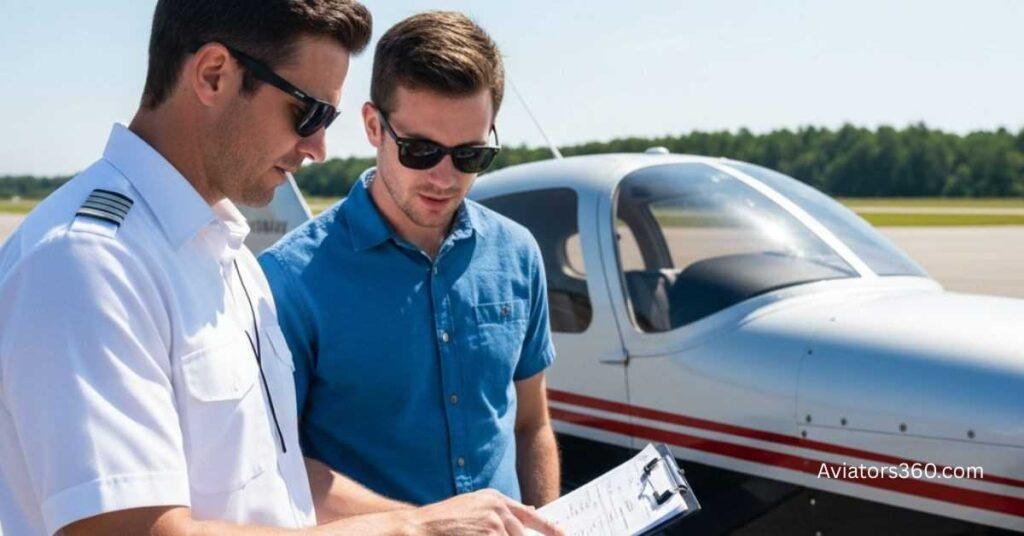
A Flight Instructor trains student pilots who are working toward private or commercial licenses. This role requires deep technical knowledge and strong communication skills.
Many pilots begin their careers as Flight Instructors. Teaching helps them build flight hours while developing leadership skills.
Responsibilities:
- Conducting ground school lessons
- Supervising practice flights
- Evaluating student performance
- Ensuring safety during training sessions
Flight Instructors must hold a valid instructor rating in addition to a pilot license. The job demands patience, attention to detail, and commitment to safety.
Industry Impact:
Flight Instructors play a critical role in maintaining aviation safety standards. Well-trained pilots begin with strong instruction.
Cabin Crew / Flight Attendant: Ensuring Passenger Safety and Comfort

The Cabin Crew, also known as Flight Attendants, are responsible for passenger safety and service onboard the aircraft.
While many people associate this job with hospitality, the primary responsibility is safety. Cabin crew members are trained in emergency evacuation procedures, first aid, and crisis management.
Main Duties:
- Conducting safety demonstrations
- Assisting passengers during boarding
- Responding to medical emergencies
- Managing in-flight service
Training programs include safety drills, communication skills, and customer service techniques. Airlines have specific grooming and health standards for cabin crew members.
Career Development:
With experience, cabin crew members can become Senior Cabin Crew, Cabin Supervisors, or In-Flight Managers.
Background: Growth of Flying Jobs in Modern Aviation
The aviation industry has grown significantly over the past few decades. Increased global travel, tourism, and cargo demand have expanded opportunities in flying jobs.
After temporary slowdowns due to global challenges, airlines in many regions have resumed recruitment drives. Fleet expansion plans and new air routes often create additional demand for trained professionals.
However, aviation remains highly regulated. Training costs can be substantial, and competition for airline positions is strong. Proper planning and recognized certification are essential.
Qualifications and Training Requirements
Each flying job requires specific training:
- Commercial Pilot / First Officer: Commercial Pilot License (CPL), medical fitness certification, type rating for specific aircraft.
- Flight Instructor: Instructor rating plus pilot license.
- Cabin Crew: Airline training certification, safety training, language proficiency.
Aviation authorities in each country regulate licensing and training standards. Candidates must complete written exams, simulator training, and practical assessments.
Salary and Career Outlook
Salaries in flying jobs vary by country, airline, and experience level.
- Commercial Pilots and Captains generally earn higher salaries due to responsibility and experience.
- First Officers earn moderate salaries that increase with flight hours.
- Flight Instructors earn steady income while building hours.
- Cabin Crew salaries depend on airline, seniority, and flight routes.
Long-term career growth depends on performance, safety records, and continuous training.
Challenges in Flying Careers
Flying jobs are respected but demanding. Long hours, irregular schedules, and time away from family are common. Pilots and cabin crew must maintain physical and mental fitness.
Weather changes, operational delays, and passenger management require calm decision-making. Continuous learning is part of aviation culture.
Future Outlook of Flying Jobs
The future of flying jobs depends on global travel trends, aircraft technology, and environmental policies. Airlines are investing in fuel-efficient aircraft and digital systems.
As aviation evolves, professionals may need additional training in advanced navigation systems and sustainability practices.
Despite challenges, flying jobs remain among the most structured and safety-focused professions worldwide.
Conclusion
Flying jobs such as Commercial Pilot, First Officer, Flight Instructor, and Cabin Crew play vital roles in the aviation ecosystem. Each position demands discipline, training, and responsibility.
While the journey into aviation can be challenging and financially demanding, structured career paths and global opportunities continue to attract new candidates.
For those who value precision, teamwork, and responsibility, flying jobs offer stable and respected career options in the growing aviation industry.
Disclaimer :
The information provided in this blog about flying jobs, including careers as a Commercial Pilot, First Officer, Flight Instructor, and Cabin Crew, is intended for general informational purposes only. While every effort has been made to ensure accuracy, aviation regulations, licensing requirements, salary structures, and recruitment policies may vary by country, airline, and aviation authority.
Readers are advised to consult official aviation regulatory bodies, licensed training institutions, and airline recruitment departments for the most current and detailed information before making career decisions. Training costs, eligibility criteria, medical standards, and certification requirements may change over time.
This blog does not provide professional, legal, financial, or career counseling advice. Any career decisions should be made after independent research and consultation with qualified professionals.
Pingback: First Officer – Role, Training, Duties, and Career Path in Commercial Aviation