
Introduction
Behind every commercial airline captain, private pilot, or charter aviator, there is usually a flight instructor who first guided them into the sky. A flight instructor plays a central role in aviation training by teaching student pilots how to operate aircraft safely and confidently. While passengers often recognize airline pilots, fewer people understand the structured and disciplined process that shapes them. At the core of that process stands the flight instructor.
As global air travel continues to grow steadily, aviation training institutions are expanding, and the demand for qualified instructors remains stable. The profession is not only a stepping stone for many pilots but also a long-term career for those dedicated to teaching. This article explains who a flight instructor is, how the role developed, what responsibilities it carries, and why it remains essential to aviation safety today.
Who Is a Flight Instructor?
A flight instructor is a certified pilot authorized to train and evaluate student pilots. This professional teaches both theoretical knowledge and practical flying skills. The goal is simple but serious: to ensure that new pilots understand aviation rules, aircraft systems, weather conditions, navigation, and safe decision-making.
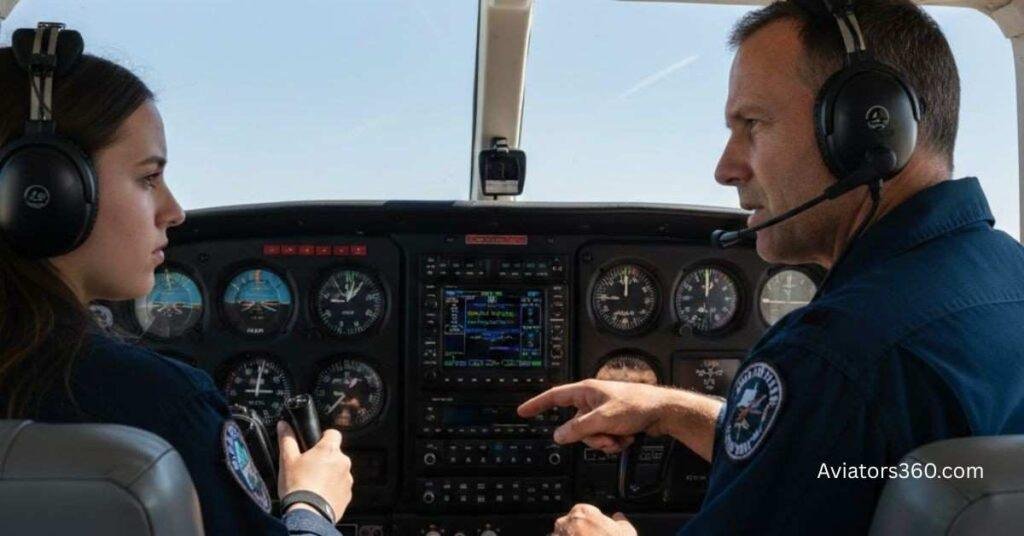
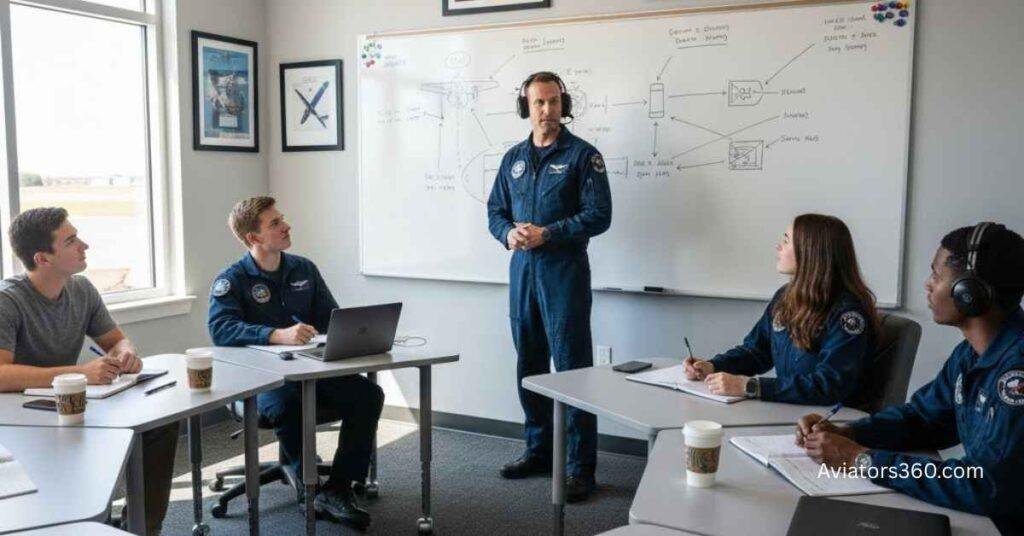
Training usually begins on the ground. Students learn about aerodynamics, airspace regulations, communication procedures, and emergency handling. After that, lessons move into the aircraft, where instructors sit beside students and guide them through real flight operations.
Unlike airline pilots who transport passengers, a flight instructor’s primary responsibility is education. However, safety standards remain just as strict. Instructors must stay updated with aviation regulations and regularly renew their certifications.
How the Role Developed
The role of the flight instructor has evolved alongside modern aviation. In the early days of flying, experienced pilots informally trained newcomers. As aviation expanded—especially after major global conflicts—structured training programs became necessary.
Civil aviation authorities around the world introduced licensing systems. Today, in many countries, a pilot must complete a specific number of flight hours and pass skill tests to become a certified instructor. Regulatory bodies such as the Federal Aviation Administration (FAA) in the United States and similar authorities in other nations oversee these standards.
This structured system ensures consistency and accountability. It also strengthens public confidence in aviation safety.
Key Responsibilities of a Flight Instructor
A flight instructor’s daily routine combines teaching, supervision, and evaluation. The work involves several important responsibilities:
1. Ground Training
Before entering the cockpit, students must understand aviation basics. Instructors explain:
- Aircraft controls and instruments
- Weather interpretation
- Navigation planning
- Communication with air traffic control
- Safety procedures
Clear communication is essential. Complex concepts must be broken into simple explanations that students can understand and apply.
2. In-Flight Training
During flight sessions, instructors monitor every action taken by the student. They allow learners to control the aircraft while remaining ready to intervene if necessary. Training includes:
- Takeoff and landing practice
- Basic maneuvers
- Emergency simulations
- Cross-country navigation
Safety remains the top priority. Instructors are trained to stay calm and make quick decisions.
3. Performance Evaluation
Flight instructors assess whether students meet required standards before recommending them for pilot exams. This evaluation must be honest and objective. If a student needs improvement, additional training is provided.
Qualifications and Certification
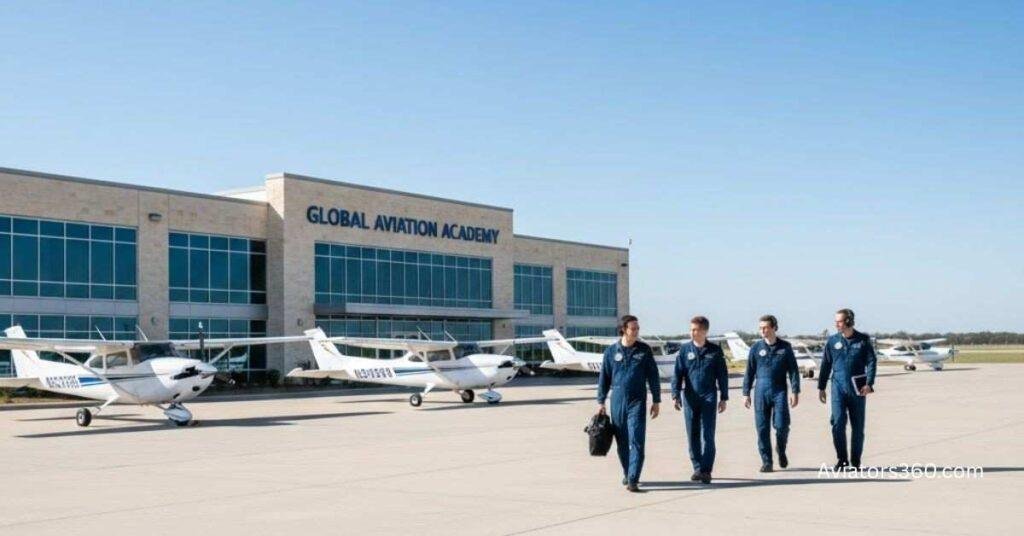
Becoming a flight instructor requires dedication and experience. A candidate must first obtain a commercial pilot license. After gaining sufficient flight hours, the pilot completes instructor training and passes written and practical examinations.
The certification process typically includes:
- Advanced aeronautical knowledge tests
- Teaching methodology training
- Demonstration of flight skills
- Practical evaluation with an examiner
In many regions, instructors must renew their certification periodically. This ensures they remain current with aviation updates and safety regulations.
Why Flight Instructors Matter to Aviation Safety
Aviation safety begins long before a commercial aircraft carries passengers. It starts in training environments where student pilots develop habits, judgment, and discipline. Flight instructors influence these foundations directly.
An instructor teaches not only technical flying skills but also decision-making under pressure. For example, how to respond to unexpected weather or mechanical concerns. These lessons shape how pilots act throughout their careers.
Studies and safety reports consistently highlight that structured training reduces operational risk. Because instructors guide early learning, their role contributes to long-term safety outcomes across the aviation industry.
Career Path and Industry Demand
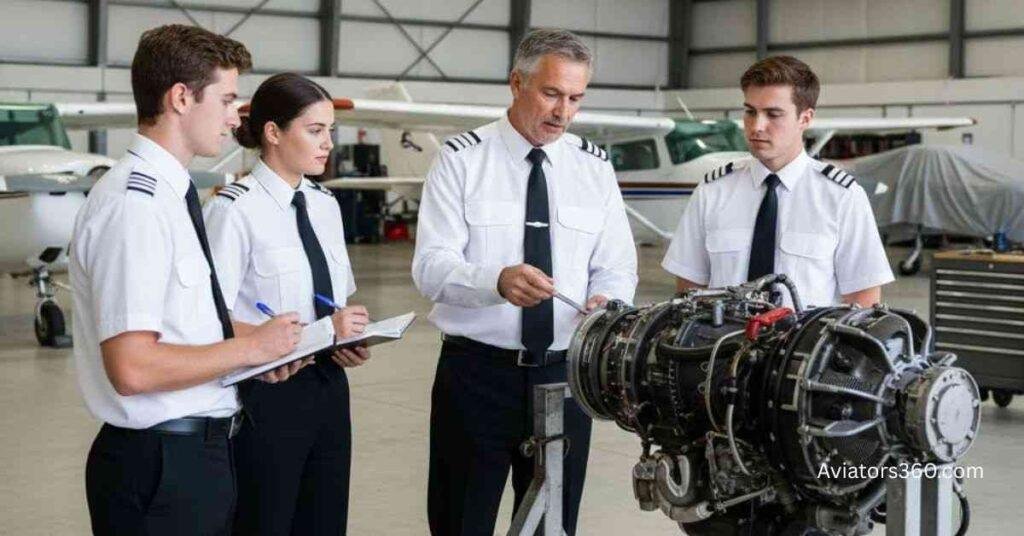
For many pilots, working as a flight instructor is an important early career step. It allows them to build flight hours, which are required for airline employment. However, some professionals choose to remain instructors because they value teaching and mentoring.
The aviation industry often experiences cycles of growth and slowdown. When airlines expand fleets, training centers increase student intake. As a result, demand for instructors rises. In recent years, industry forecasts have indicated continued need for qualified pilots globally, indirectly supporting steady demand for instructors.
Flight schools, aviation academies, and training centers remain active in many countries. As long as new pilots enter the system, flight instructors will remain essential.
Challenges of the Profession
Although rewarding, the role carries challenges. Weather conditions can disrupt training schedules. Student progress may vary, requiring patience and adaptability. Instructors must remain alert at all times during flights, which demands strong concentration.
Compensation levels also differ by region and institution. Entry-level instructors may earn modest salaries compared to airline pilots. However, the experience gained often opens doors to future opportunities.
Despite these factors, many professionals describe the career as meaningful. Watching a student complete their first solo flight is often considered a memorable milestone.
The Human Element in Training
Beyond technical instruction, flight instructors often serve as mentors. They help students manage stress, overcome fear, and build confidence. Learning to fly can be emotionally challenging. A calm and supportive instructor can make a significant difference.
The relationship between instructor and student is built on trust. Clear communication and mutual respect create a productive learning environment. Over time, many former students remain in contact with their instructors, acknowledging their early guidance.
Conclusion
A flight instructor is more than a pilot who teaches others to fly. This professional plays a critical role in shaping the standards, skills, and mindset of future aviators. Through structured ground lessons, supervised flight training, and objective evaluation, instructors ensure that aviation continues to operate safely and reliably.
As air travel expands and training programs grow, the importance of flight instructors remains steady. Their influence extends far beyond the training field—reaching commercial airports, private aviation terminals, and international airspace.
In simple terms, every safe flight carries the unseen contribution of a flight instructor who once trained the pilot at the controls.
Frequently Asked Questions (FAQ) – Flight Instructor
What does a flight instructor do?
A flight instructor trains student pilots in both theory and practical flying skills. The instructor teaches ground subjects such as navigation, weather, and aviation rules, and also supervises students during flight training. The main goal is to ensure students learn safe aircraft operation and decision-making.
What is the difference between a flight instructor and a commercial pilot?
A commercial pilot primarily transports passengers or cargo. A flight instructor focuses on training student pilots. While both roles require strong flying skills, the instructor’s main responsibility is education and supervision.
How long does it take to become a certified flight instructor?
The time required depends on flight hour accumulation and licensing requirements in each country. Generally, a pilot must complete commercial pilot training first, then additional instructor certification, which can take several months after meeting experience requirements.
Is demand for flight instructors increasing?
As global air travel grows and airlines require more pilots, flight training institutions continue to operate actively. This creates consistent demand for qualified flight instructors, especially in expanding aviation markets.
Disclaimer :
The information provided in this Blog about the role of a Flight Instructor is intended for general informational and educational purposes only. While every effort has been made to ensure accuracy, aviation regulations, certification requirements, and career standards may vary by country and may change over time.
This content does not constitute professional aviation advice, training guidance, or regulatory instruction. Readers interested in becoming a flight instructor or pursuing pilot training should consult official aviation authorities, certified training institutions, or licensed professionals for the most current and applicable information.
The website is not affiliated with any aviation regulatory body, flight school, or training organization unless explicitly stated.