
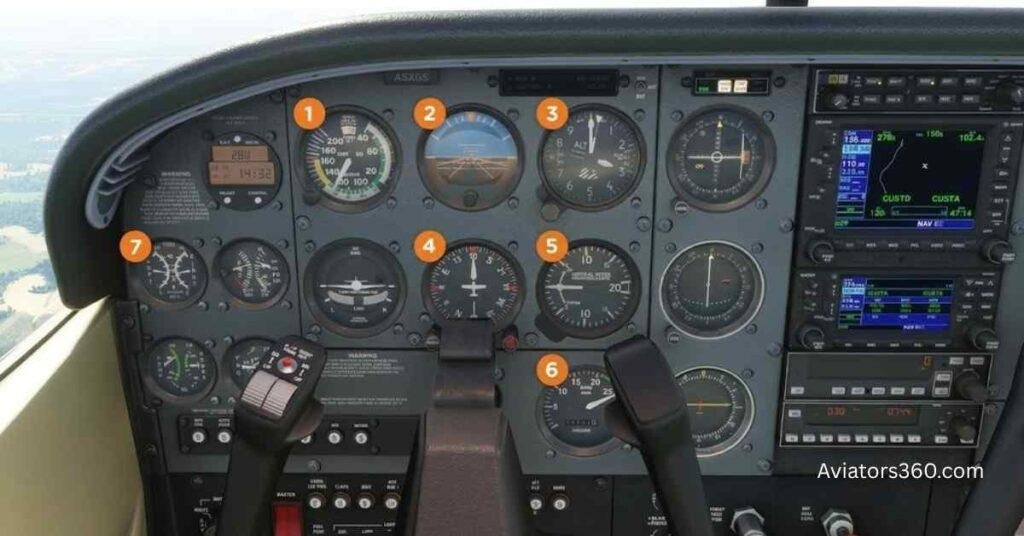
Air travel is often considered one of the safest ways to move across long distances. Modern aircraft are designed with multiple layers of safety, advanced technology, and strict operating procedures. Yet the idea of an engine failure while an aircraft is flying thousands of feet above the ground can sound frightening to many passengers.
In reality, pilots are carefully trained to handle such situations. Engine failure during flight is rare, but when it happens, flight crews follow clear procedures that are practiced many times in training simulators.
The most important period is the first 60 seconds after the failure. During this short window, pilots must quickly understand what happened, stabilize the aircraft, and begin the steps that ensure a safe outcome.
This article explains, in simple terms, what pilots actually do in the first minute after an engine failure in mid-air and why aircraft are designed to continue flying safely even when one engine stops working.
Understanding Engine Failure in Flight
Engine failure does not always mean an aircraft is about to crash. Modern commercial airplanes are built with redundancy, meaning that critical systems have backups.
Most passenger jets have two engines, while some larger aircraft may have four. Even with one engine not working, the aircraft is still capable of flying and landing safely.
Engine problems can occur for several reasons:
- Mechanical malfunction
- Bird strikes during flight
- Fuel system issues
- Severe weather conditions
However, aviation regulations require aircraft to demonstrate that they can safely operate with one engine inoperative. Pilots train regularly for these situations so they know exactly what actions to take.
The First Priority: Maintain Control of the Aircraft
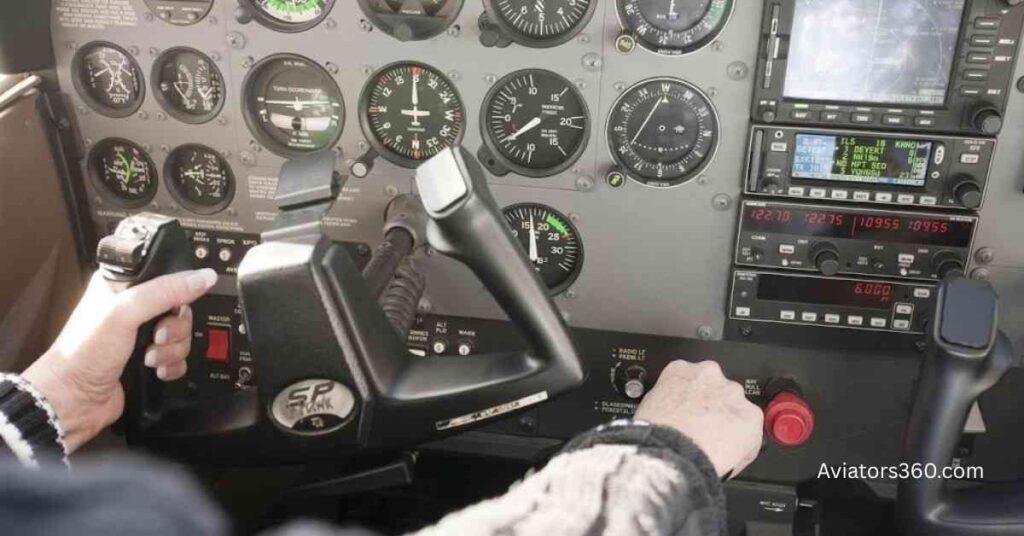
When an engine fails, the aircraft may experience a slight imbalance because thrust is no longer equal on both sides. The immediate task for the pilots is to maintain control of the aircraft.
The pilot flying focuses on keeping the plane stable by adjusting the controls and maintaining the correct speed and direction. The goal is simple: keep the aircraft flying smoothly.
At the same time, the other pilot monitors the instruments to confirm that an engine failure has actually occurred and checks which engine is affected.
This teamwork inside the cockpit allows the crew to respond calmly and efficiently during the critical first moments.
Identifying the Problem
Once the aircraft is stable, the pilots quickly verify the situation using cockpit instruments and warning systems.
Modern aircraft provide clear indications when something goes wrong with an engine. Warning messages, alarms, and engine performance indicators help the crew identify the exact issue.
Pilots must confirm details such as:
- Which engine is affected
- Whether the engine has completely stopped or lost power
- If there are any additional system warnings
This step is important because the response may differ depending on the type of problem.
Following the Engine Failure Checklist
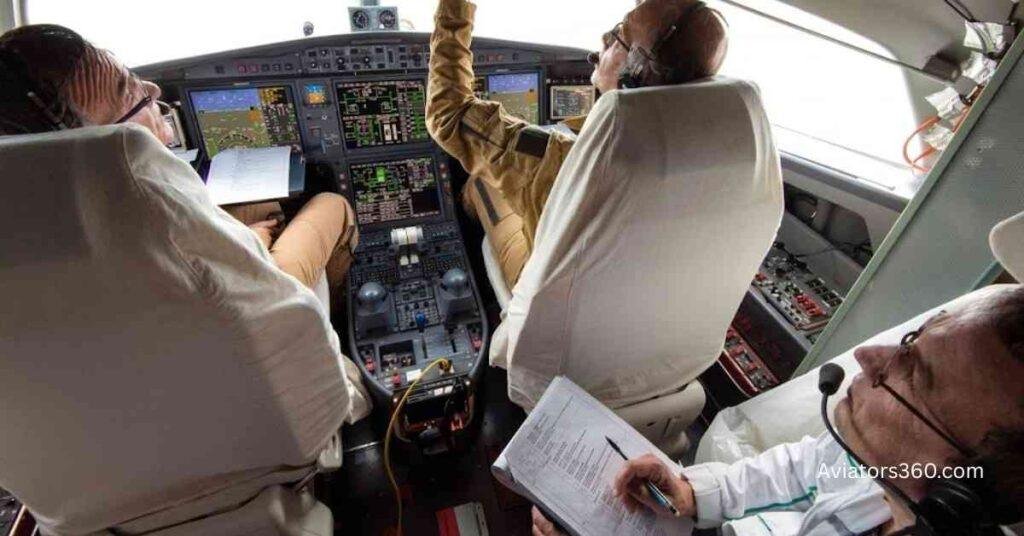
After identifying the problem, pilots begin working through a standard emergency checklist. These checklists are carefully designed by aircraft manufacturers and aviation authorities.
The checklist helps pilots perform the correct steps in the correct order. Typical actions may include:
- Reducing thrust on the affected engine
- Securing the engine if necessary
- Monitoring aircraft systems for further issues
Because pilots practice these procedures repeatedly in simulators, they can perform them quickly and accurately even under pressure.
The checklist also prevents mistakes by ensuring that no important step is missed.
Communicating with Air Traffic Control
Once the aircraft is stable and the initial procedures are underway, the crew informs air traffic control (ATC) about the situation.
Communication with ATC allows controllers to provide assistance and adjust the aircraft’s route if needed. In many cases, the flight may be diverted to the nearest suitable airport.
Controllers can also provide priority handling, clear airspace around the aircraft, and coordinate emergency services at the destination airport.
This communication ensures that everyone involved in the flight’s operation understands the situation and can support a safe landing.
Preparing for a Safe Landing

After the first minute has passed and the immediate actions are complete, the crew begins planning the next steps.
Most aircraft can continue flying normally on one engine. Pilots evaluate several factors before deciding where to land:
- Distance to the nearest airport
- Weather conditions
- Fuel remaining
- Runway length and airport facilities
Passengers are usually informed about the situation once the crew has assessed the aircraft’s condition.
In many cases, the landing is completed safely without passengers even noticing major difficulties.
Why Engine Failure Does Not Usually Lead to Disaster
Although engine failure may sound alarming, aviation safety systems are built to handle exactly this type of situation.
Aircraft design includes:
- Engines tested under extreme conditions
- Multiple backup systems
- Strict maintenance inspections
- Continuous pilot training
Because of these safety layers, engine failure in modern aviation rarely leads to serious incidents.
History has shown that well-trained pilots and reliable aircraft systems make safe outcomes highly likely.
Conclusion
The first 60 seconds after an engine failure are critical, but they are also well understood and carefully planned for in aviation.
Pilots focus first on controlling the aircraft, then identifying the problem, following emergency checklists, and coordinating with air traffic control. These structured steps allow them to manage the situation calmly and effectively.
Modern aircraft are designed to continue flying safely even with one engine not operating, and pilots receive extensive training to handle such events.
For passengers, the important takeaway is simple: engine failure in flight is rare, and when it does occur, there are well-established procedures that guide the crew toward a safe landing.
Frequently Asked Questions (FAQs)
1. What happens if an aircraft engine fails mid-air?
If an aircraft engine fails during flight, pilots follow a set of emergency procedures designed to keep the aircraft safe. The crew first stabilizes the plane, identifies the problem using cockpit instruments, and follows a checklist to manage the failed engine. Modern aircraft are designed to continue flying safely even with one engine not working.
2. Can an airplane fly with only one engine?
Yes. Most commercial airplanes are designed to fly safely with one engine. Aviation regulations require aircraft to demonstrate safe performance even if one engine stops working. Pilots are trained to control the aircraft and land safely using the remaining engine.
3. What do pilots do in the first minute after engine failure?
4. How common is engine failure in commercial aviation?
Engine failure in modern commercial aviation is extremely rare. Aircraft engines are tested under strict conditions and undergo regular maintenance inspections. When failures do occur, pilots are trained to handle the situation safely.
5. What causes an aircraft engine to fail?
Aircraft engine failure can occur due to several reasons, including mechanical issues, bird strikes, fuel system problems, or extreme weather conditions. However, strict maintenance procedures and safety checks greatly reduce the chances of such incidents.
Disclaimer:
This blog is intended for informational and educational purposes only. It explains general aviation procedures based on publicly available knowledge and should not be considered professional aviation training or technical guidance. Actual flight operations and emergency procedures are handled by certified pilots following official aviation regulations and airline protocols.