
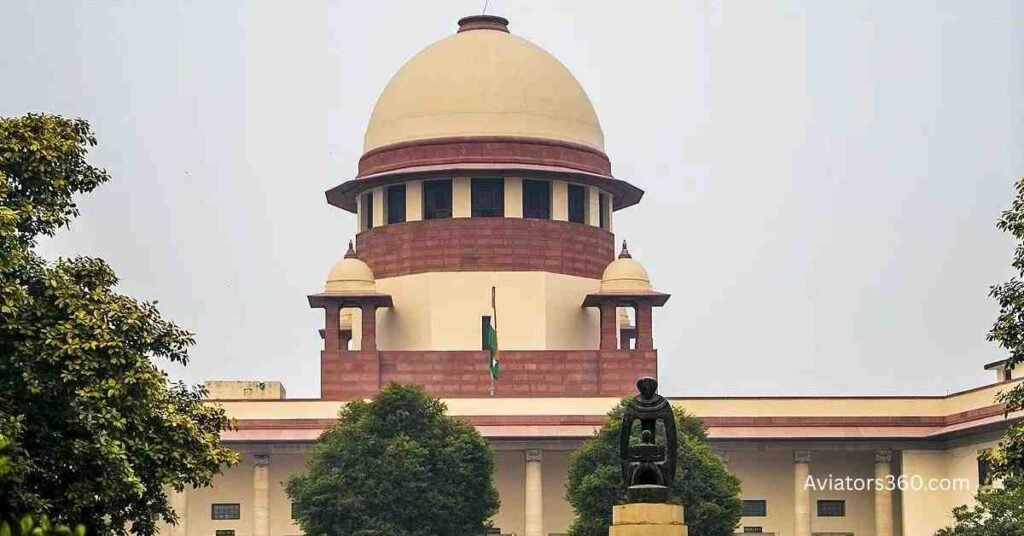
India’s aviation sector has been under intense public and regulatory attention following the temporary grounding of Air India’s Boeing 787 Dreamliner aircraft and parallel legal proceedings linked to a serious flight incident. The developments came together in a way that reshaped the national conversation—not only about aircraft safety, but also about how responsibility is assessed when aviation incidents occur. In a strong observation during related proceedings, the Supreme Court of India remarked that “142 crore Indians do not believe the pilot was at fault,” a statement that many viewed as restoring dignity to Captain Sumit Sabharwal, the pilot who had faced months of public doubt following the incident involving an Air India Dreamliner.
Background: The Incident and the Aircraft
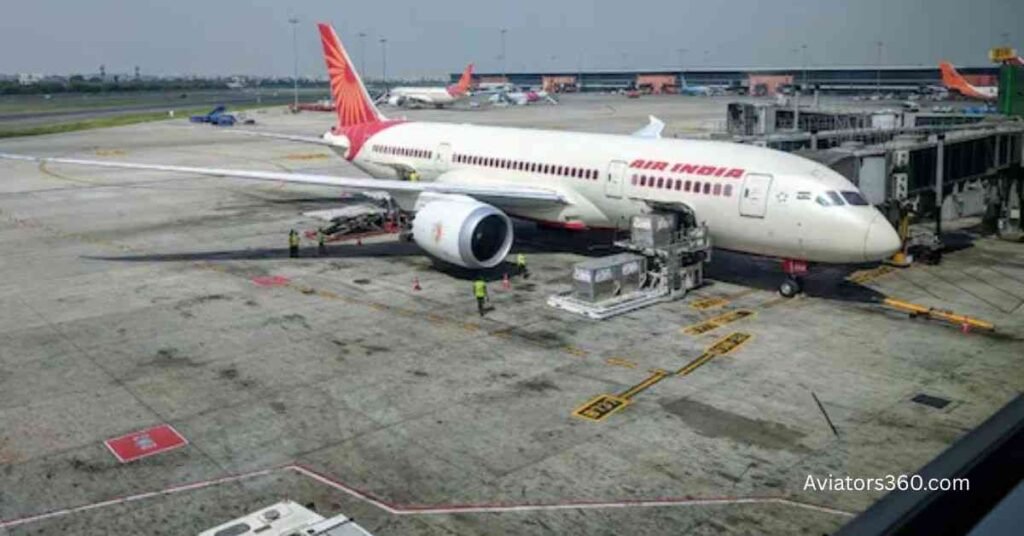
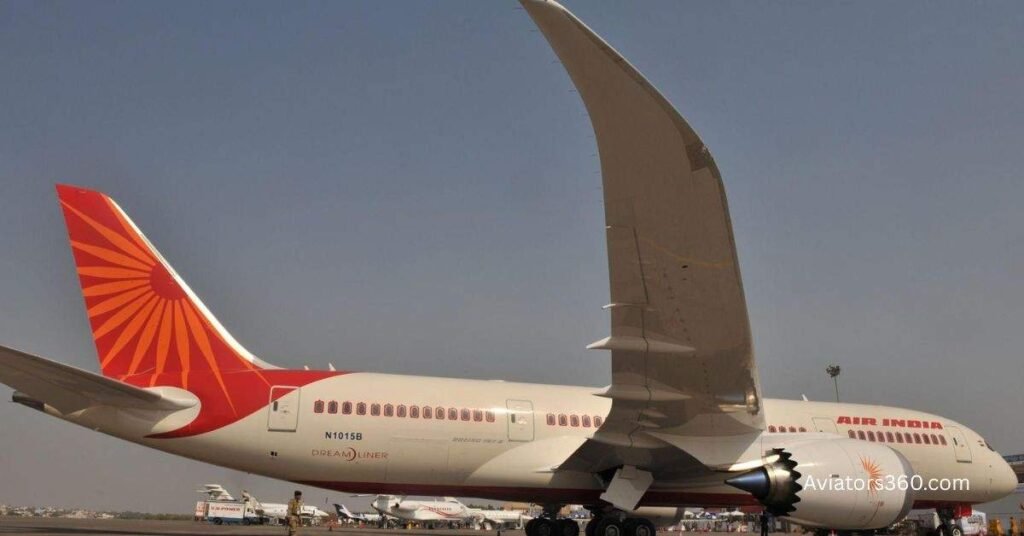
The aircraft at the centre of the discussion is the Boeing 787 Dreamliner, a long-haul wide-body jet widely used for international operations. Air India operates the Dreamliner on several key routes linking India with Europe, North America, and Asia. Known for fuel efficiency and advanced systems, the aircraft has generally maintained a strong global safety record, though like all modern jets it is subject to strict regulatory oversight.
Following a serious operational incident involving one such aircraft, aviation authorities initiated a detailed review. As a precautionary measure, Air India temporarily grounded some of its Dreamliner fleet to allow additional inspections and technical checks. The airline stated that the decision was taken in consultation with regulators and was aimed at ensuring complete confidence in aircraft safety before resuming full operations.
Why the Dreamliners Were Grounded
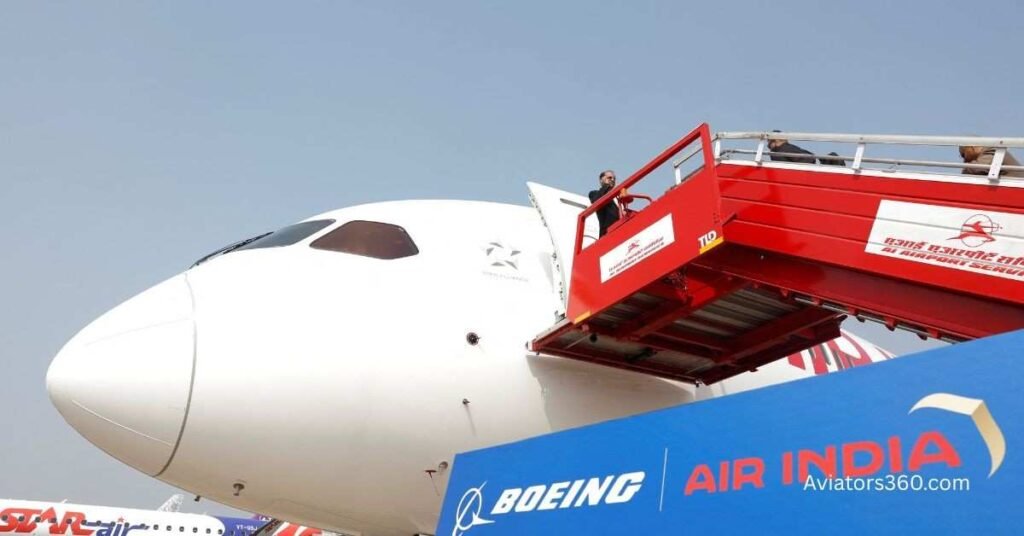
According to official explanations, the grounding was preventive rather than punitive. Engineers were asked to conduct deeper inspections of certain systems, review flight data, and confirm compliance with existing safety advisories. The Directorate General of Civil Aviation (DGCA) emphasized that such steps are part of standard aviation safety practice, particularly after any serious incident that raises questions requiring further examination.
Aviation experts have pointed out that grounding aircraft for checks does not automatically indicate a major defect. Instead, it reflects a “safety-first” approach designed to rule out technical or systemic issues before aircraft return to service.
The Pilot at the Centre of Public Debate
While technical inspections were underway, public discussion increasingly focused on Captain Sumit Sabharwal, who had been commanding the affected flight. In the absence of final investigative conclusions, speculation and rumours circulated widely, particularly on social media. Some commentary prematurely suggested pilot error, despite the lack of an official finding.
For months, Captain Sabharwal and his family remained largely silent, while aviation professionals cautioned against drawing conclusions before the completion of a formal investigation. Pilot associations repeatedly stressed that aviation incidents are complex events, often involving a combination of technical, environmental, and operational factors.
Supreme Court’s Observation and Its Significance
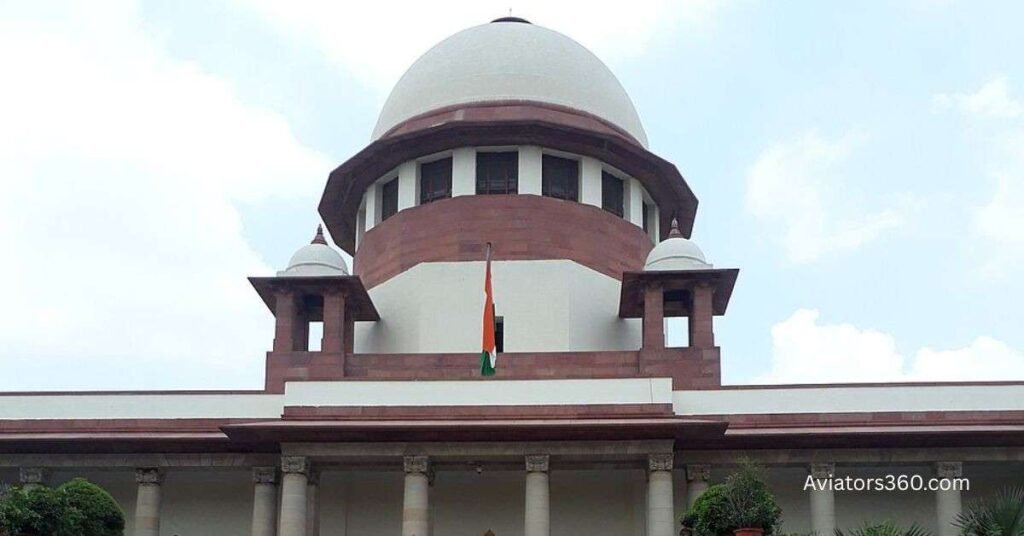
The debate reached the legal arena when related matters were raised before the Supreme Court. During the hearings, the court made a notable observation that “142 crore Indians do not believe the pilot was at fault.” While the court did not issue a final ruling on the cause of the incident, the remark was widely interpreted as a reminder against rushing to judgment and unfairly assigning blame without conclusive evidence.
Legal analysts noted that the court’s words carried moral and social weight, even as the technical investigation continued independently. By emphasizing public trust in the pilot and cautioning against speculative narratives, the court helped reframe the discussion toward evidence-based assessment rather than assumption.
Public Reaction and Support from the Aviation Community
Following the court’s observation, public sentiment shifted visibly. Many citizens expressed support for Captain Sabharwal, praising his experience and professionalism. Aviation professionals across India echoed this view, highlighting the immense responsibility pilots carry and the importance of treating them fairly during investigations.
Industry bodies reiterated that pilots are trained to manage emergencies under extreme pressure and that their actions must be evaluated through detailed technical analysis, not hindsight or public opinion.
Impact on Air India and Passengers
For Air India, the grounding of the Dreamliner fleet created operational challenges, including flight delays and cancellations on some international routes. The airline arranged alternative aircraft where possible and offered rebooking or refunds to affected passengers. While the disruption caused inconvenience, regulators and airline officials stressed that passenger safety outweighed short-term operational concerns.
Air India has stated that once inspections are completed and regulatory clearance is granted, the Dreamliners will return to service in a phased manner.
What Happens Next

The technical investigation into the incident remains ongoing, with authorities expected to release more detailed findings after thorough analysis. Any conclusions regarding cause—whether technical, operational, or a combination—will be based on data from flight recorders, maintenance records, and system evaluations.
Separately, the broader discussion triggered by the Supreme Court’s remarks may influence how future aviation incidents are reported and debated. Experts believe it could encourage more responsible public discourse, with greater emphasis on facts and due process.
A Broader Lesson for Aviation Safety
Together, the grounding of the Boeing 787 Dreamliners and the Supreme Court’s observation underline a central principle of modern aviation: safety and fairness must go hand in hand. Aircraft are grounded not to assign blame, but to prevent risk. Pilots are scrutinized not to single them out, but to understand events accurately.
As inspections continue and investigations progress, Captain Sumit Sabharwal’s case has become a reminder that professionalism and courage deserve respect, and that conclusions in aviation must rest on evidence, not assumption.
Disclaimer :
This blog is based on publicly available information, official statements, and reports available at the time of writing. The content is intended solely for general informational and news purposes. It does not seek to assign blame, draw legal conclusions, or influence ongoing investigations or judicial proceedings. Any references to individuals, organisations, or events are made in good faith and without intent to defame. Readers are advised to rely on official investigation findings and court orders for final and authoritative conclusions.