India’s largest airline, IndiGo, has entered a new leadership phase following the resignation of CEO Pieter Elbers in March 2026. Leadership changes often attract attention in the aviation industry, especially when they involve a carrier that dominates one of the fastest-growing aviation markets in the world.
However, the leadership transition at IndiGo represents continuity rather than uncertainty. The airline’s long-term strategy, operational model, and global expansion plans remain firmly in place.
During the transition period, IndiGo co-founder Rahul Bhatia has stepped in to guide the airline’s leadership. Under his interim oversight, the airline continues to focus on strengthening its international network, expanding its fleet, and positioning itself as a major global aviation player.
With strong financial performance, one of the largest aircraft order books in the industry, and a rapidly expanding international presence, IndiGo’s leadership transition marks the beginning of a new chapter rather than a disruption.
IndiGo’s Extraordinary Growth in Global Aviation
Over the past two decades, IndiGo has transformed itself from a modest domestic airline into one of the most influential carriers in global aviation.
Since launching operations in 2006, the airline has followed a disciplined strategy focused on efficiency, reliability, and controlled expansion. This approach has helped it achieve sustained growth while maintaining strong operational performance.
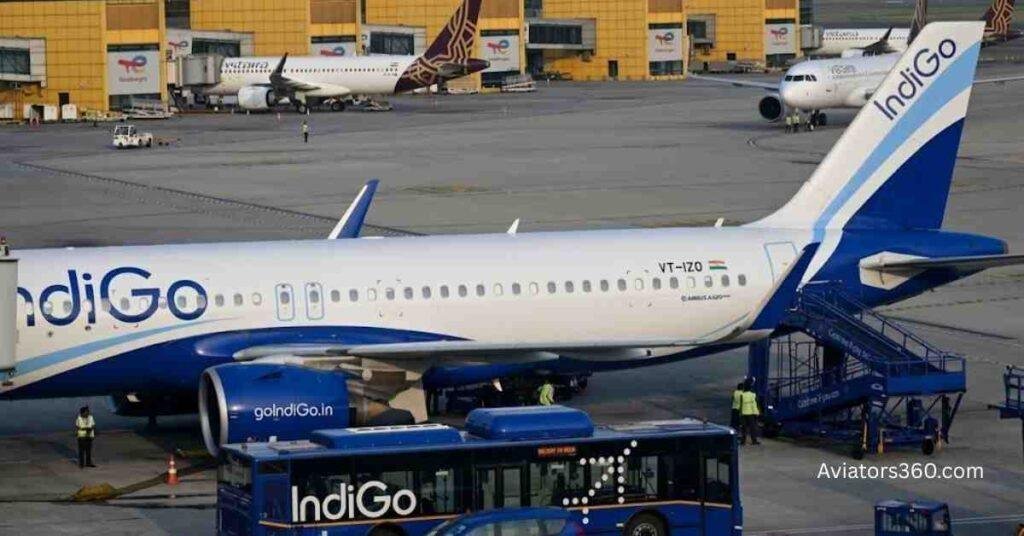
Today, IndiGo operates one of the largest narrow-body fleets in the world, largely built around the Airbus A320 family of aircraft. With more than 400 aircraft currently in service and hundreds more on order, the airline continues to expand at an impressive pace.
Several key factors have contributed to IndiGo’s remarkable rise.
Operational Efficiency
One of IndiGo’s biggest strengths has been its strong focus on operational efficiency. By maintaining a standardized fleet and implementing strict cost discipline, the airline has been able to keep operating expenses under control while scaling rapidly.
This model has allowed IndiGo to offer competitive fares while maintaining profitability in an industry known for thin margins.
Market Leadership in India
IndiGo currently holds around 65 percent of India’s domestic aviation market, making it the clear leader in the country’s rapidly growing air travel sector.
India is now one of the fastest-expanding aviation markets globally, with passenger demand increasing each year. IndiGo’s extensive domestic network connects dozens of cities across the country, helping millions of travelers move efficiently between major economic centers.
Massive Fleet Expansion
Another major milestone in IndiGo’s growth came with its historic aircraft order for 500 Airbus A320neo family aircraft, one of the largest aircraft purchases ever made by a single airline.
This massive order ensures that IndiGo will continue expanding its fleet capacity well into the next decade, supporting both domestic growth and international expansion.
Together, these factors have positioned IndiGo as a dominant force not only in India but also within the global low-cost airline sector.
Leadership Continuity and Strategic Stability

Leadership transitions are common in the aviation industry, particularly for airlines undergoing rapid expansion. In IndiGo’s case, the transition has been carefully managed to ensure stability and continuity.
With Rahul Bhatia overseeing operations during the interim period, the airline continues to operate under the same strategic framework that has guided its success over the past several years.
IndiGo’s long-term strategy remains firmly supported by several strong pillars.
- Stable financial performance
• A clearly defined global expansion roadmap
• Long-term aircraft procurement agreements
• Growing international airline partnerships
These elements ensure that IndiGo’s leadership transition does not disrupt its long-term direction. Instead, the airline continues moving toward its broader ambition of becoming a globally recognized aviation brand.
The Next Frontier: IndiGo’s Long-Haul Strategy
One of the most important developments in IndiGo’s long-term strategy is its entry into the long-haul aviation market.
Historically, the airline has focused primarily on short- and medium-haul routes using narrow-body aircraft. This strategy helped it dominate domestic travel and expand regionally across Asia and the Middle East.
However, IndiGo is now preparing for a significant shift.
The airline has placed a major order for the Airbus A350-900, a modern wide-body aircraft designed for long-distance international routes.
Why the Airbus A350-900 Matters
The introduction of the Airbus A350-900 represents a major step forward in IndiGo’s global strategy.
This aircraft offers several advantages that make it ideal for long-haul operations.
- High fuel efficiency compared to older wide-body aircraft
• Long-range capability exceeding 15,000 kilometers
• Improved passenger comfort and cabin technology
• Advanced aerodynamics and lightweight composite materials
Once these aircraft begin entering service later this decade, IndiGo will be able to operate direct long-haul flights from India to destinations in Europe, East Asia, and potentially North America.
This expansion will allow the airline to compete in markets traditionally dominated by full-service international carriers.
Expanding International Connectivity
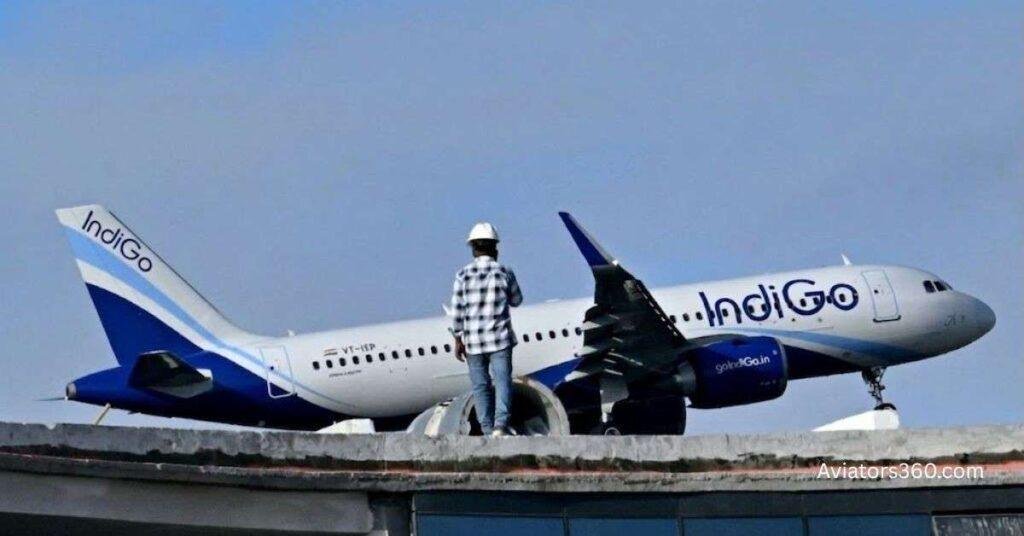
Even before the introduction of wide-body aircraft, IndiGo has already been steadily expanding its international footprint.
The airline currently connects India with numerous destinations across several regions, including:
- Southeast Asia
• Central Asia
• The Middle East
• Europe
These routes have helped IndiGo build a growing global network while maintaining its efficient operating model.
India’s aviation market is expanding rapidly due to several factors.
- A growing middle class
• Increased business travel
• Rising tourism demand
• Improved airport infrastructure
As international travel demand continues to increase, IndiGo’s expanding fleet and route network will allow it to capture a larger share of global passenger traffic.
Strategic Partnerships Strengthening Global Reach
Another key part of IndiGo’s international strategy is its growing network of airline partnerships.
Through codeshare and interline agreements, the airline can offer passengers access to destinations far beyond its own route network.
IndiGo has established partnerships with several major global carriers, including:
- Qatar Airways
• Turkish Airlines
• Air France–KLM
These partnerships allow passengers to travel seamlessly between IndiGo’s domestic flights and long-haul routes operated by partner airlines.
For example, a passenger flying from a smaller Indian city can connect through IndiGo’s domestic network and then continue to Europe or North America via partner carriers.
This strategy strengthens IndiGo’s global connectivity while allowing the airline to maintain its efficient low-cost operating structure.
Building International Aviation Hubs in India
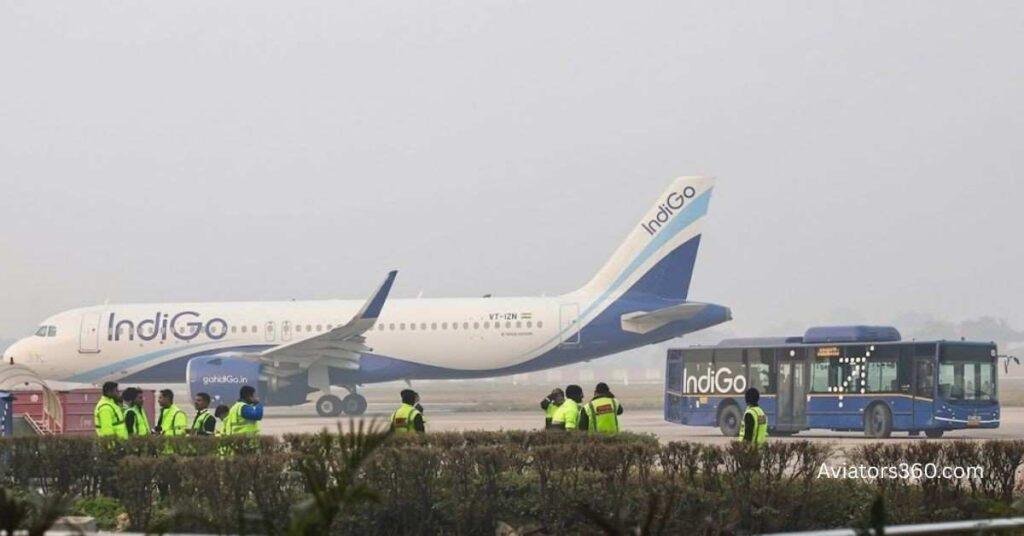
Another important part of IndiGo’s long-term plan involves developing major international aviation hubs within India.
Several large airports are expected to play a key role in this strategy.
- Indira Gandhi International Airport (Delhi)
• Chhatrapati Shivaji Maharaj International Airport (Mumbai)
• Kempegowda International Airport (Bengaluru)
These airports will serve as major connection points where passengers traveling from smaller cities can transfer to international flights.
This hub-and-spoke model is widely used by leading global airlines and helps improve efficiency by concentrating long-haul operations at key airports.
For IndiGo, this strategy will make it easier to connect passengers from across India to global destinations.
India’s Aviation Boom and IndiGo’s Central Role
India’s aviation industry is expected to grow dramatically over the next two decades.
Several factors are driving this growth.
- Strong economic development
• Expanding airport infrastructure
• Rising disposable incomes
• Increasing regional connectivity
Government initiatives such as the UDAN scheme have also helped connect smaller cities to India’s aviation network.
As the country’s largest airline, IndiGo is uniquely positioned to benefit from this aviation boom.
Its extensive domestic network feeds passengers into international routes, creating a powerful travel pipeline that supports global expansion.
Why IndiGo’s Future Remains Strong

Despite the recent leadership change, IndiGo remains one of the most financially and operationally strong airlines in the world.
Several factors support the airline’s long-term growth.
Large Aircraft Order Pipeline
IndiGo has committed to acquiring hundreds of new aircraft, ensuring that it can continue expanding capacity for many years.
Proven Low-Cost Business Model
Its disciplined cost structure has allowed the airline to remain competitive while expanding aggressively.
Expanding International Network
New routes and global partnerships continue strengthening IndiGo’s international reach.
Strategic Entry into Long-Haul Markets
The introduction of wide-body aircraft will open entirely new global routes for the airline.
Together, these elements create a strong foundation for the next phase of IndiGo’s growth.
Conclusion: A Confident Flight Toward the Future
Leadership transitions are a natural part of any rapidly growing organization. For IndiGo, the departure of Pieter Elbers represents a transition rather than a turning point.
With Rahul Bhatia guiding the airline during the interim period, the company continues to move forward with a clear strategic roadmap.
Backed by strong financial performance, one of the largest fleet expansion programs in aviation history, and an ambitious global vision, IndiGo is well positioned for the future.
As India’s aviation market continues expanding and international travel demand rises, the airline’s combination of operational efficiency, strategic planning, and global ambition will ensure that it remains a key driver of India’s aviation growth.
The transformation of IndiGo from a domestic low-cost carrier into a major global aviation player is already underway, and the coming years are likely to define the airline’s place on the world aviation stage.
Frequently Asked Questions (FAQs)
1. What is the IndiGo leadership transition about?
Lorem ipsum dolor sit amet, consecteturThe IndiGo leadership transition refers to the resignation of CEO Pieter Elbers in March 2026 and the temporary leadership oversight by IndiGo co-founder Rahul Bhatia. The transition represents a planned leadership change as the airline continues its long-term expansion strategy in global aviation. adipiscing elit. Ut elit tellus, luctus nec ullamcorper mattis, pulvinar dapibus leo.
2. Who is leading IndiGo after the leadership transition?
Following the IndiGo leadership transition, co-founder Rahul Bhatia has stepped in to oversee the airline during the interim period. The company continues to operate under its established strategic framework while preparing for the next phase of leadership.
3. Why is the IndiGo leadership transition important for the aviation industry?
The IndiGo leadership transition is significant because IndiGo is India’s largest airline and a major player in the global low-cost aviation market. Leadership decisions at the airline can influence fleet expansion, international routes, and the broader growth of India’s aviation sector.
4. How does the leadership transition affect IndiGo’s global expansion plans?
The IndiGo leadership transition is not expected to change the airline’s long-term strategy. IndiGo continues to expand its international network, strengthen airline partnerships, and prepare for long-haul operations using new wide-body aircraft such as the Airbus A350.
6. How large is IndiGo’s current fleet?
IndiGo currently operates more than 400 aircraft, primarily from the Airbus A320 family. The airline has also placed large aircraft orders that will support future growth and international expansion.
Disclaimer:
The information presented in this article about the IndiGo leadership transition is based on publicly available reports and industry sources at the time of writing. While every effort has been made to ensure accuracy, developments in the aviation industry may change over time. This article is intended for informational and educational purposes only and should not be interpreted as official communication from IndiGo or any associated organization.