
When an aircraft accident occurs, the world often focuses on the tragedy and the immediate news headlines. However, behind the scenes, a detailed and highly structured investigation begins almost immediately. The goal of these investigations is not to assign blame but to understand what happened and prevent similar incidents in the future.
Aircraft accident investigations involve aviation experts, engineers, investigators, and government authorities working together to analyze evidence from the crash site, aircraft systems, flight data, and pilot communications. One of the most important tools in this process is the aircraft’s “black box,” which records flight data and cockpit conversations.
Understanding how aircraft accidents are investigated helps the public see how aviation safety improves over time. Each investigation contributes valuable lessons that help airlines, manufacturers, and regulators make flying safer for everyone.
What Happens Immediately After an Aircraft Accident
When an aircraft accident occurs, aviation authorities quickly secure the crash site. The first priority is rescue and emergency response. Once emergency operations are completed, investigators begin their work.
Specialized accident investigation agencies usually lead this process. For example, the National Transportation Safety Board (NTSB) in the United States or similar aviation safety authorities in other countries manage the investigation.
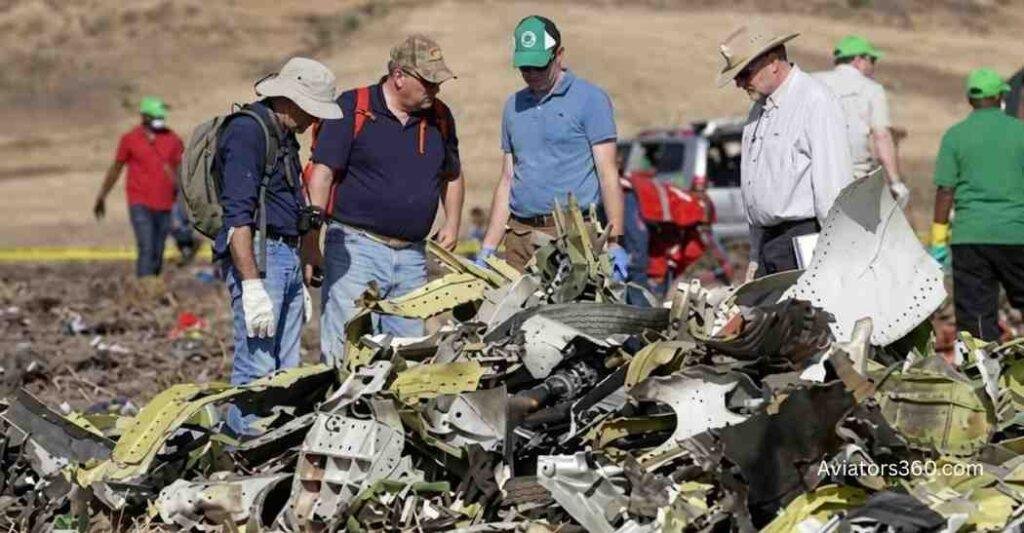
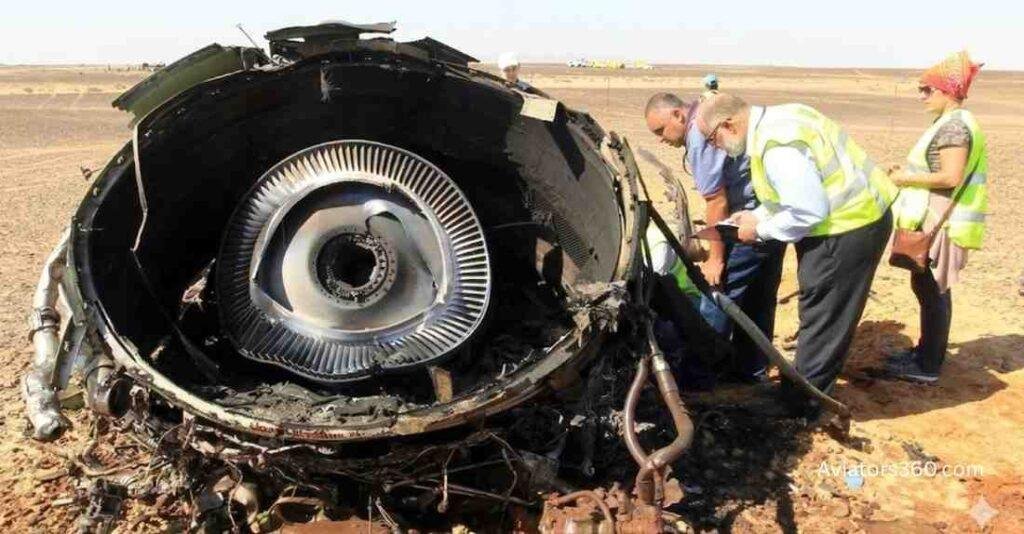
Investigators carefully document the accident scene. Every piece of debris, aircraft component, and environmental condition can provide important clues. Photos, measurements, and location mapping are taken before any wreckage is moved.
Weather conditions, air traffic control communications, maintenance records, and flight plans are also collected. These details help investigators understand the situation surrounding the accident.
The Role of the Aircraft Black Box
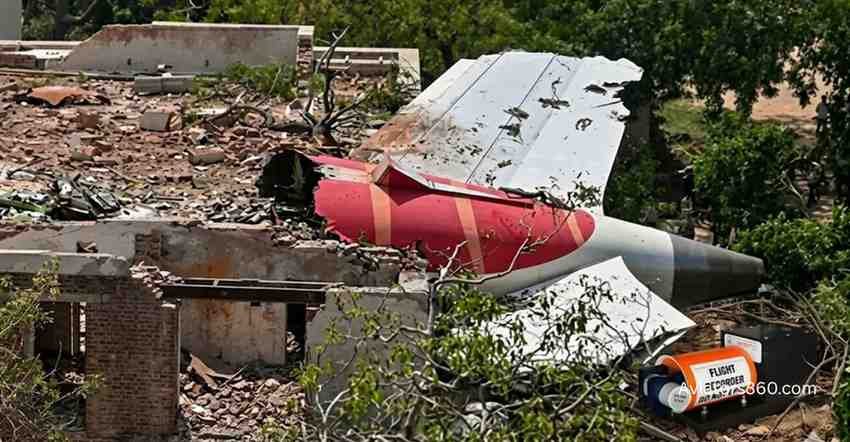
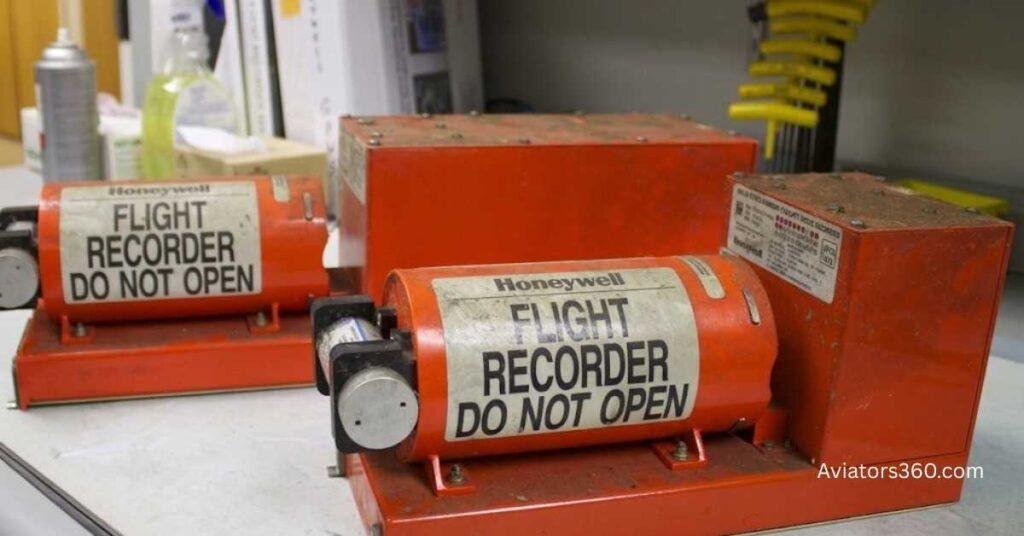
Despite its name, the aircraft “black box” is actually bright orange so it can be easily found after a crash. Most commercial aircraft carry two key recording devices:
- Flight Data Recorder (FDR)
The Flight Data Recorder stores technical information about the aircraft’s operation. It records hundreds of parameters such as altitude, speed, engine performance, and control inputs. - Cockpit Voice Recorder (CVR)
The Cockpit Voice Recorder captures audio from the cockpit, including conversations between pilots, alarms, and communications with air traffic control.
These recorders are designed to survive extreme conditions such as high impact forces, fires, and deep water immersion. Once recovered, the data from these devices often becomes the most valuable evidence in understanding the sequence of events leading to the accident.
Examining the Wreckage
After the crash site is documented, investigators begin examining the aircraft wreckage. Sometimes the wreckage is moved to a secure hangar where experts can reconstruct large sections of the aircraft.
This reconstruction helps investigators determine whether any structural failure occurred before the crash. They also look for signs of engine malfunction, mechanical problems, or damage caused during impact.
Special attention is given to critical systems such as engines, flight controls, landing gear, and navigation equipment. Each component is studied carefully to determine whether it functioned correctly.
In some investigations, damaged parts are sent to laboratories for further testing. Engineers may examine metal fatigue, electrical faults, or manufacturing defects that could have contributed to the accident.
Analyzing Flight Data and Pilot Actions
Once the black box data is downloaded, investigators analyze it step by step. The flight data recorder provides a detailed timeline of the aircraft’s performance during the flight.
By comparing this information with radar data and cockpit voice recordings, investigators can understand how the situation developed.
The cockpit voice recorder also helps investigators understand the decisions made by the pilots. They can hear alarms, system warnings, and conversations between crew members.
However, investigators do not focus only on pilot actions. They also consider other factors such as weather conditions, aircraft maintenance history, and air traffic control instructions.
Modern aviation investigations often use computer simulations to recreate the flight path and system behavior before the accident.
The Human and Operational Factors
Aircraft accidents rarely occur because of a single problem. In many cases, investigators find a chain of contributing factors.
Human factors play an important role in many investigations. These factors include pilot workload, fatigue, communication issues, or decision-making under stress.
Investigators also review airline operational procedures, training programs, and company policies. If procedures were unclear or training was insufficient, these factors may be included in the final findings.
Maintenance practices are also examined. Investigators review service records to determine whether the aircraft had any unresolved technical issues before the flight.
International Cooperation in Investigations
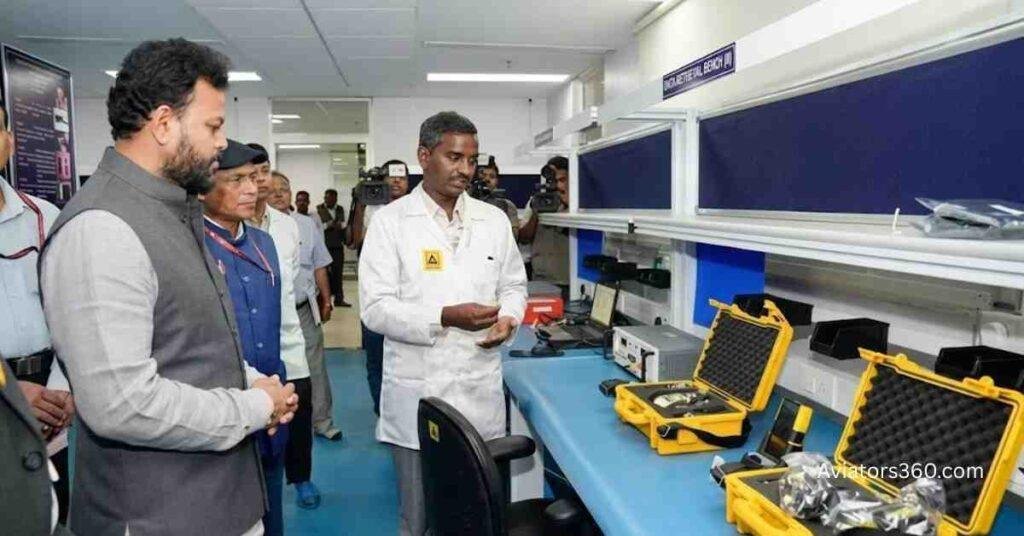
Aviation accident investigations often involve several countries. This happens because aircraft, airlines, passengers, and manufacturers may all come from different parts of the world.
International aviation rules encourage cooperation between countries during accident investigations. Experts from aircraft manufacturers and aviation authorities often participate to provide technical knowledge.
For example, if an aircraft manufactured in one country crashes in another country, investigators from both nations may work together. This collaboration helps ensure that all technical aspects of the aircraft are properly analyzed.
The Final Investigation Report
Aircraft accident investigations can take months or sometimes years to complete. During this time, investigators carefully analyze all available evidence before reaching conclusions.
The final report explains what happened, why it happened, and what safety improvements are recommended.
These safety recommendations may lead to changes in pilot training, aircraft design, maintenance procedures, or aviation regulations.
Although accidents are tragic events, the lessons learned from investigations have played a major role in improving global aviation safety over the decades.
How Accident Investigations Improve Aviation Safety
Modern aviation is considered one of the safest forms of transportation. One reason for this high level of safety is the aviation industry’s commitment to learning from accidents.
Each investigation adds new knowledge about aircraft systems, pilot training, and operational safety. Airlines and regulators often introduce new safety measures based on investigation findings.
For example, improvements in cockpit technology, better pilot training programs, and enhanced maintenance procedures have all resulted from past investigations.
This continuous learning process helps ensure that aviation safety continues to improve year after year.
Frequently Asked Questions (FAQs)
What is a black box in an aircraft?
A black box is a flight recording device installed in aircraft. It includes the Flight Data Recorder and Cockpit Voice Recorder, which store flight information and cockpit audio to help investigators understand accidents.
Who investigates aircraft accidents?
Aircraft accidents are investigated by national aviation safety authorities such as the NTSB in the United States or similar agencies in other countries.
How long does an aircraft accident investigation take?
Investigations can take several months to several years depending on the complexity of the accident and the amount of evidence that needs to be analyzed.
Why are aircraft accident investigations important?
These investigations identify the causes of accidents and recommend safety improvements to prevent similar incidents in the future.
Disclaimer:
The information provided in this article, “How Aircraft Accidents Are Investigated: From Black Box to Final Report,” is intended for general informational and educational purposes only. The content explains the standard procedures followed during aviation accident investigations based on publicly available knowledge and widely accepted aviation safety practices.
This blog does not represent official findings from any specific aviation authority, investigation agency, airline, or aircraft manufacturer. Actual aircraft accident investigations are conducted by authorized government agencies and aviation safety boards, and the conclusions published in their official reports are considered the final and authoritative source of information.
While every effort has been made to present accurate and reliable information, aviation investigations can be complex and may vary depending on the country, aircraft type, and circumstances of the incident. Readers should refer to official investigation reports and aviation authorities for confirmed details regarding any specific aircraft accident.
This content is not intended to speculate on, assign blame for, or draw conclusions about any real-world aviation incident. Its purpose is solely to help readers understand how aircraft accident investigations are typically conducted and how these investigations contribute to improving aviation safety worldwide.