Introduction: Who Is a First Officer?
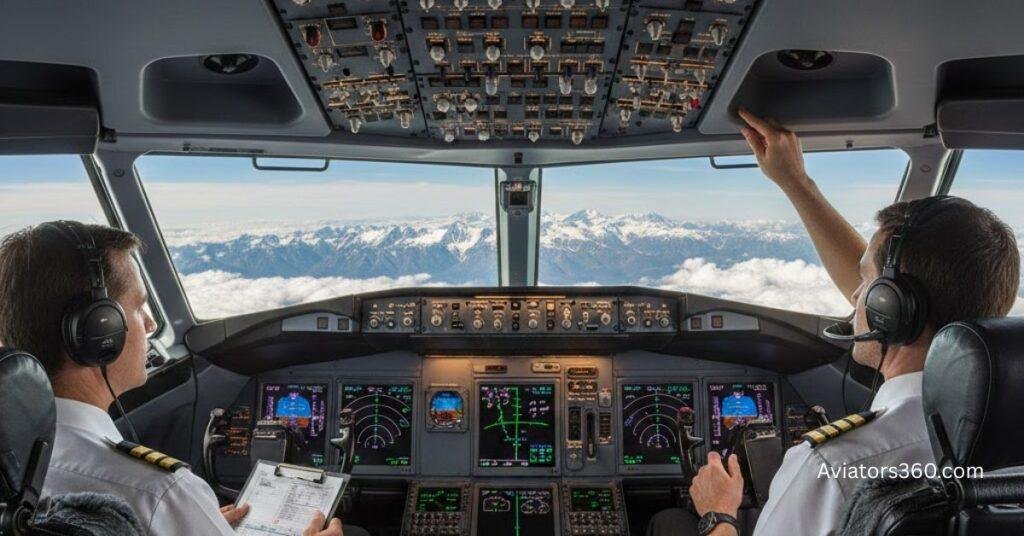
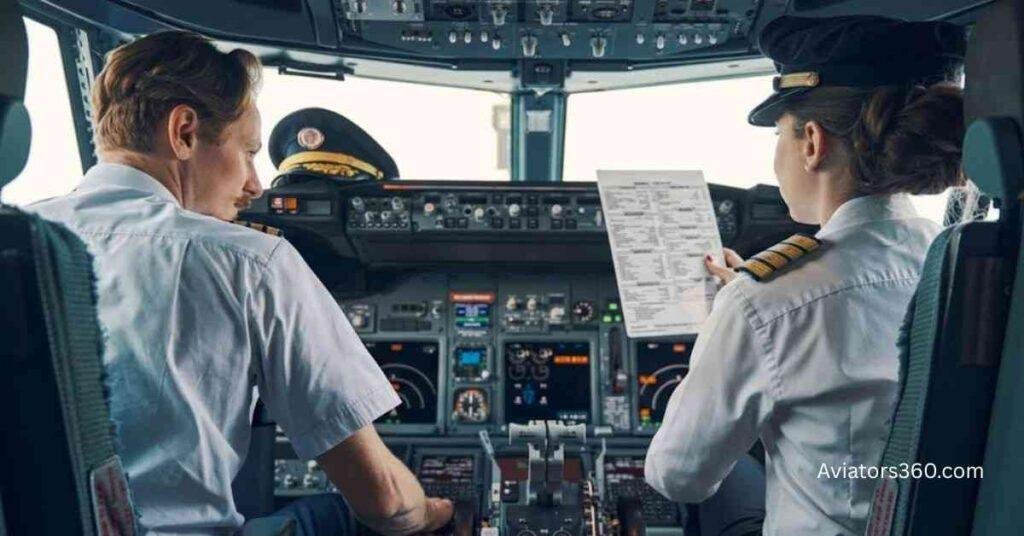
A First Officer is the second-in-command of a commercial aircraft. Sitting in the right seat of the cockpit, this pilot works closely with the Captain to ensure that every flight operates safely and smoothly. While passengers may often hear announcements from the Captain, the First Officer plays an equally critical role in flying the aircraft, managing systems, and handling unexpected situations.
In modern aviation, safety depends on teamwork. The First Officer is not merely an assistant but a fully qualified pilot who shares flying duties and decision-making responsibilities. Understanding this role helps explain how commercial aviation maintains its strong safety record worldwide.
The Meaning and Background of a First Officer
In commercial aviation, the cockpit usually has two pilots: the Captain and the First Officer. The First Officer is sometimes called the “co-pilot,” although the professional term used by airlines is First Officer.
Historically, early aircraft required multiple crew members because navigation and aircraft systems were complex. Over time, technology improved, and flight crews became smaller. Today, in most commercial airlines, two pilots are standard. This system ensures redundancy—meaning if one pilot is unable to perform duties, the other can take control immediately.
Organizations like the International Civil Aviation Organization set international safety standards that require properly trained and licensed crew members on commercial flights. The First Officer must meet these strict global standards before being allowed to operate passenger aircraft.
Duties and Responsibilities of a First Officer
The responsibilities of a First Officer begin long before passengers board the aircraft.
1. Pre-Flight Preparation
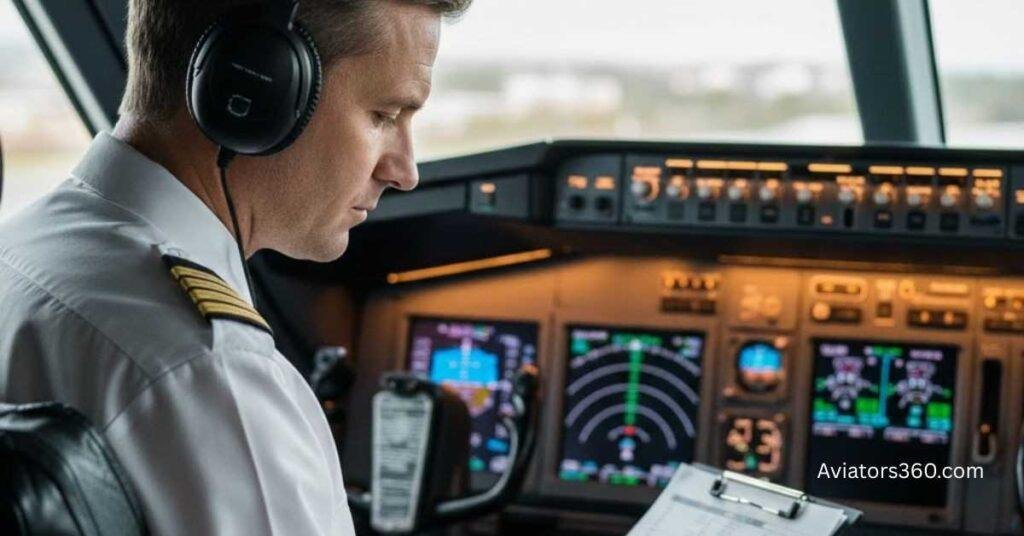
Before departure, the First Officer:
- Reviews the flight plan
- Checks weather conditions
- Calculates fuel requirements
- Inspects aircraft systems
This preparation ensures that the flight is safe and efficient.
2. Flying the Aircraft
On most flights, pilots take turns flying. When the First Officer is designated as the “Pilot Flying,” they control:
- Takeoff or landing (depending on assignment)
- Climb, cruise, and descent phases
- Communication with air traffic control
When not flying, the First Officer acts as the “Pilot Monitoring,” supporting the Captain and checking instruments carefully.
3. Managing Emergencies
If technical or weather-related issues occur, the First Officer assists in problem-solving. Modern aviation emphasizes Crew Resource Management (CRM), which means both pilots share information and decisions. This teamwork reduces human error and improves safety.
Training and Qualifications
Becoming a First Officer requires years of training and dedication.
Step 1: Flight Training
A candidate first earns:
- Private Pilot License (PPL)
- Commercial Pilot License (CPL)
- Instrument Rating
Step 2: Airline Transport Pilot License
Most airlines require an Airline Transport Pilot License (ATPL), which is the highest level of pilot certification.
Step 3: Type Rating
After joining an airline, the pilot completes aircraft-specific training, known as a “type rating.” For example, if operating an aircraft such as the Boeing 737 or an aircraft manufactured by Airbus, the First Officer must undergo simulator sessions and examinations specific to that aircraft model.
Training does not stop after hiring. Pilots undergo regular simulator checks every six months to maintain proficiency.
A Day in the Life of a First Officer
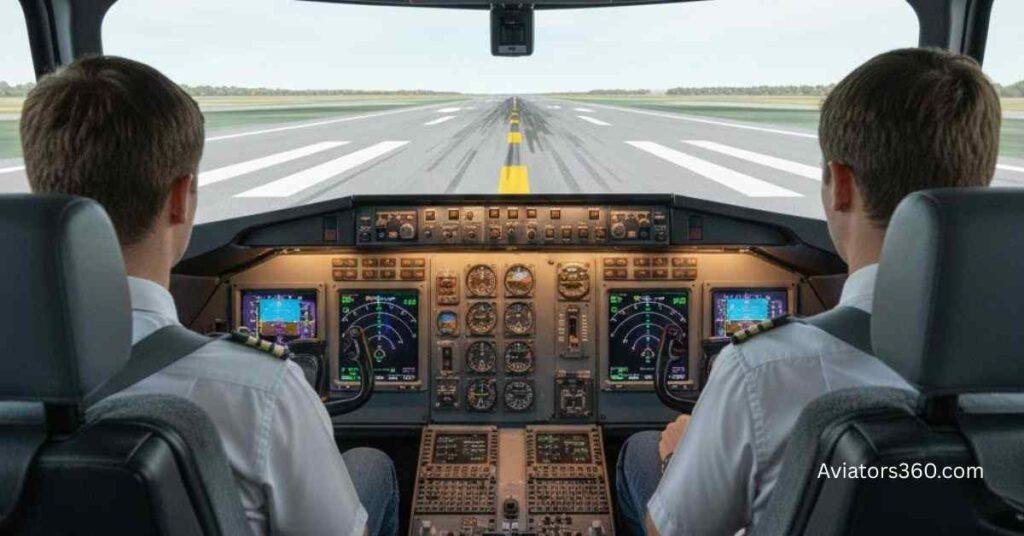
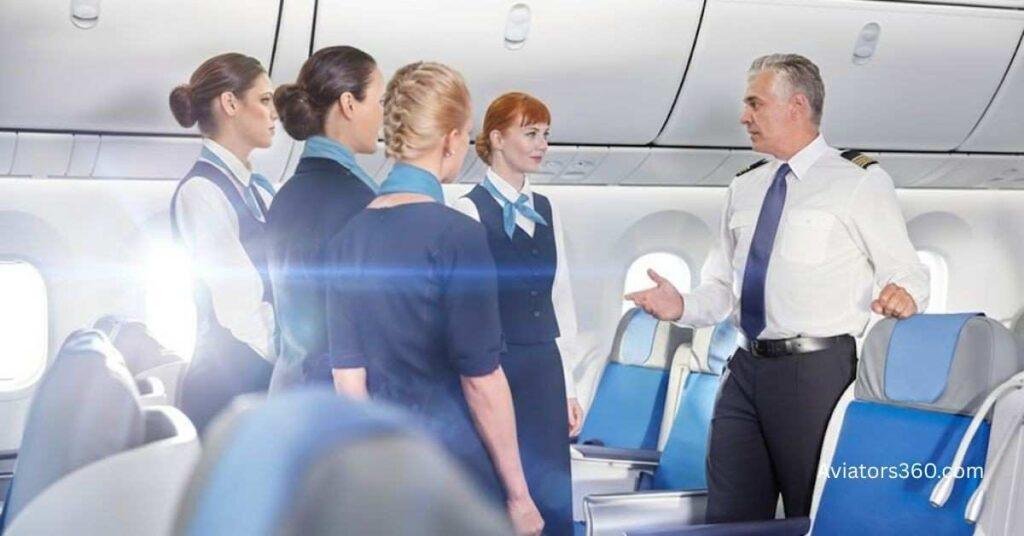
A typical workday depends on flight schedules. A First Officer may report to the airport several hours before departure. After briefing with the Captain and cabin crew, they prepare for boarding.
During flight, constant monitoring is essential. Even in cruise mode, the autopilot does not remove responsibility. The First Officer continuously checks altitude, speed, fuel levels, and weather updates.
After landing, post-flight reports may be required. Rest periods are carefully regulated to prevent fatigue, a major factor in aviation safety.
Career Path: From First Officer to Captain
The First Officer role is often the stepping stone to becoming a Captain. Promotion depends on:
- Flight hours accumulated
- Experience on aircraft type
- Performance evaluations
- Airline vacancies
In many airlines, it can take several years before a First Officer upgrades to Captain. The transition involves additional simulator training and leadership evaluation.
The aviation industry has structured hierarchies. This ensures that only highly experienced and competent pilots take command of aircraft carrying hundreds of passengers.
Salary and Job Outlook
The salary of a First Officer varies by country, airline, and aircraft type. In general:
- Entry-level First Officers earn moderate salaries.
- Experienced First Officers on long-haul aircraft earn significantly higher pay.
The aviation industry experienced challenges during global travel restrictions in recent years. However, as travel demand increases, airlines worldwide are hiring new pilots to meet passenger demand.
According to industry analysts, pilot shortages in some regions may create opportunities for trained candidates in the coming decade.
Safety and Public Trust
Commercial aviation remains one of the safest forms of transportation. This safety record is supported by:
- Strict training standards
- Regular medical checks
- Continuous monitoring systems
- International regulations
The First Officer plays a direct role in maintaining this safety structure. Shared cockpit responsibility ensures that decisions are cross-checked, reducing risk.
Passengers may rarely see the First Officer, but every smooth takeoff and safe landing reflects the coordinated effort of both pilots.
Challenges of the Role
While the career offers prestige and financial stability, it also involves challenges:
- Irregular schedules
- Time away from family
- Jet lag and fatigue
- High responsibility under pressure
Airlines provide support systems and regulated duty hours to manage these challenges. Professional discipline and strong mental focus are essential qualities for success.
The Future of the First Officer Role
Technological developments such as automation and artificial intelligence continue to evolve. However, aviation authorities maintain that human pilots remain essential for decision-making in complex situations.
Even as aircraft become more advanced, the First Officer’s role as a trained professional remains central to flight safety. Industry discussions about single-pilot operations continue, but most experts agree that two-pilot systems provide an additional layer of safety.
Conclusion
The First Officer is a highly trained aviation professional who shares full responsibility for the safe operation of a commercial aircraft. From pre-flight planning to landing procedures, this role requires technical expertise, discipline, and seamless teamwork.
While passengers often focus on the Captain, aviation safety depends equally on the First Officer’s skills, situational awareness, and sound judgment. As global air travel continues to expand, the demand for skilled aviation professionals is also increasing—making First Officer positions one of the most respected and sought-after flying jobs in the industry.
In simple terms, the First Officer is not just the pilot in the right seat, but a cornerstone of modern aviation safety, operational efficiency, and reliability within today’s competitive flying jobs landscape.
Frequently Asked Questions (FAQs) About First Officer
1. What is a First Officer in an airline?
A First Officer is the second-in-command of a commercial aircraft. The First Officer sits in the right seat of the cockpit and works alongside the Captain to operate the aircraft safely. The role includes flying the aircraft, monitoring systems, communicating with air traffic control, and following safety procedures.
2. What does a First Officer do during a flight?
A First Officer shares flying duties with the Captain. During a flight, the First Officer may control the aircraft, monitor instruments, manage communication, and handle checklists. The First Officer also assists in decision-making during unexpected situations such as weather changes or technical issues.
3. What is the difference between a Captain and a First Officer?
The Captain is the pilot-in-command and has final authority over the flight. The First Officer is fully qualified to fly the aircraft but operates under the Captain’s command. Both pilots share responsibilities, but the Captain makes the final operational decisions.
4.What is the salary of a First Officer?
The salary of a First Officer depends on the airline, country, and aircraft type. Entry-level First Officers earn less than experienced ones. Long-haul and international operations usually offer higher salaries compared to regional airlines.
5. Is being a First Officer a good career?
Being a First Officer is considered a respected and stable career in aviation. It offers professional growth, international travel opportunities, and the potential to advance to Captain.
Disclaimer:
The information provided in this blog about the role of a First Officer is intended for general informational and educational purposes only. While every effort has been made to ensure accuracy, aviation regulations, licensing requirements, salary structures, and airline policies may vary by country, airline, and over time.
This content does not constitute professional aviation, legal, or career advice. Individuals interested in becoming a First Officer or pursuing a career in aviation should consult official aviation authorities, certified flight training organizations, and airline recruitment departments for the most current and applicable requirements.
The author and publisher are not responsible for any decisions made based on the information presented in this blog.