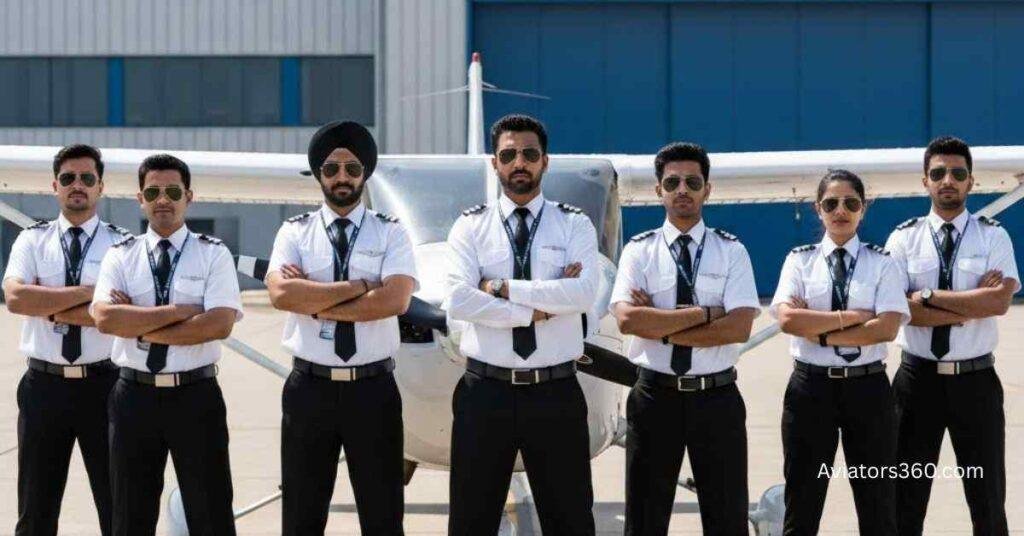
Understanding the journey from student to professional pilot in a fast-growing aviation industry
Introduction Many young people around the world are drawn to the idea of flying aircraft for a living. For them, a commercial pilot job is more than just a job. It represents a lifelong ambition centered around responsibility, discipline, and skill. However, for those without an aviation background, the path to becoming a commercial pilot can seem confusing and hard to navigate. In reality, the process is well-defined and regulated. This article explains in simple terms how to become ready for a commercial pilot job. It outlines the background of pilot training, the main steps involved, and what aspiring pilots can expect after obtaining their license. The focus is on clear facts and practical understanding rather than technical details.
What Does a Commercial Pilot Job Involve?
A commercial pilot job consists of flying an aircraft for professional reasons, often for airlines that transport passengers or cargo. Commercial pilots learn to operate aircraft safely in various conditions, follow strict procedures, and make quick decisions during flights. In India, pilot training and licensing are overseen by the Directorate General of Civil Aviation. This authority sets standards for training, medical fitness, tests, and licensing. Other countries have similar systems, but the overall structure for becoming a commercial pilot is similar worldwide.
Educational and Medical Eligibility
One of the first steps in becoming a candidate for a commercial pilot job is to understand the eligibility requirements. Candidates must meet minimum age and educational standards. Usually, a background in science with Physics and Mathematics at the senior secondary level is necessary. Medical fitness is also critical. A commercial pilot must pass a Class 1 medical exam to confirm they have good vision, hearing, and overall physical health. These checks are meant to protect passenger safety and ensure pilots can handle long hours and changing conditions.
Choosing a Flight Training Academy
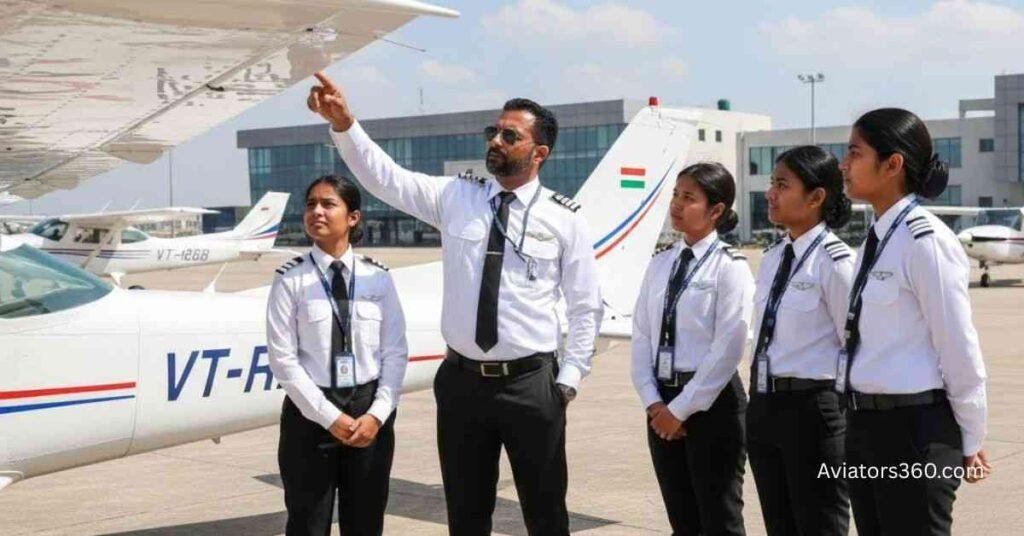
Flight training is the heart of preparing for a commercial pilot job. After meeting eligibility requirements, aspiring pilots enroll in an approved flight training academy. These academies offer structured programs that combine classroom learning with practical flying. Ground training introduces students to the fundamentals of aviation, such as navigation, aircraft systems, weather awareness, and regulations. This knowledge helps pilots grasp how and why aircraft operate, rather than just learning to control them.
Practical Flying and Skill Development
Along with classroom studies, students begin practical flying training. With guidance from certified instructors, they learn how to take off, land, navigate routes, and safely handle aircraft. This phase builds confidence and practical judgment. To qualify for a commercial pilot job, students must log a required number of flying hours. This includes solo flights, cross-country flying, and instrument training. Each type of flight experience prepares pilots for real-world operating situations.
Examinations and Commercial Pilot License
Written exams are a vital part of becoming qualified for a commercial pilot job. These tests assess knowledge acquired during ground training and ensure pilots understand aviation rules and safety practices. After completing the required flight hours, passing exams, and maintaining medical fitness, the aviation authority issues a Commercial Pilot License (CPL). This license allows the pilot to legally fly aircraft for commercial reasons.
Type Rating and Airline Preparation
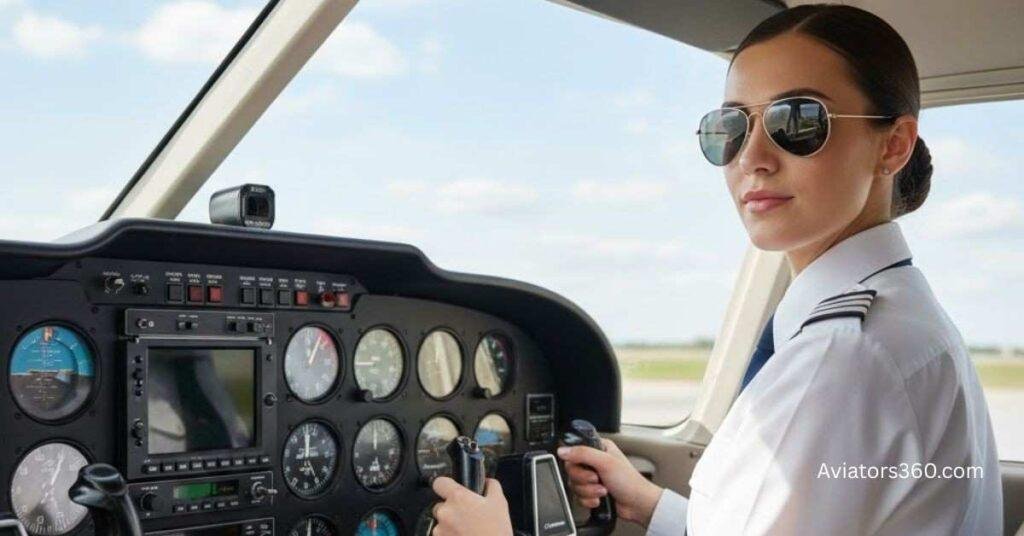
Holding a CPL does not guarantee a job with an airline. Most airlines require pilots to complete a type rating, which is specialized training on a specific aircraft model used by the airline. This training often takes place in simulators and focuses on advanced systems and emergency management. Type rating helps pilots transition from training aircraft to large commercial jets, making it a crucial step for those aiming for a job as a commercial pilot with an airline.
Career Opportunities After Licensing
A commercial pilot job extends beyond passenger airlines. Licensed pilots can also work in cargo operations, charter flights, aerial survey work, or as flight instructors. Many pilots gain experience in smaller operations before moving to larger airlines. As air travel continues to grow, especially in developing markets, the demand for trained pilots is expected to remain steady over time. This makes aviation an appealing career option for those willing to commit to training and ongoing learning.
Challenges and Realistic Expectations
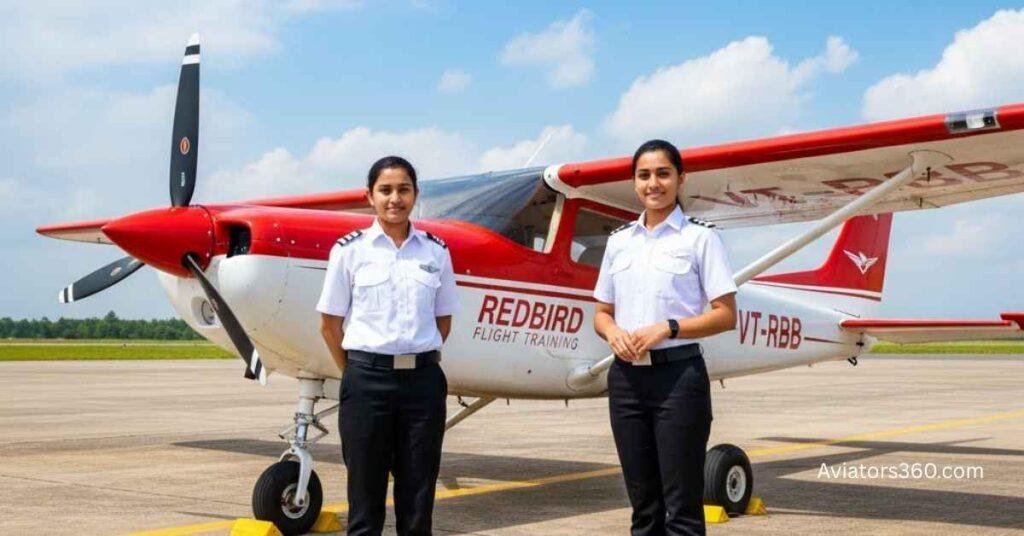
While a commercial pilot job offers status and opportunity, it also comes with challenges. Training requires financial planning, patience, and discipline. Weather conditions, aircraft availability, and regulatory processes can sometimes delay progress. Experienced pilots often stress that success in aviation relies more on preparation and consistency than on speed. Recognizing these challenges early helps aspiring pilots make informed decisions.
Long-Term Growth and Professional
Life Becoming job-ready as a commercial pilot is just the start of a professional journey. Pilots undergo regular training, skills assessments, and medical exams throughout their careers. Aviation standards change, and continuous learning is part of the job. With experience, pilots may fly larger aircraft, operate international routes, or take on training and management roles within airlines.
Summary: A Clear Path Forward
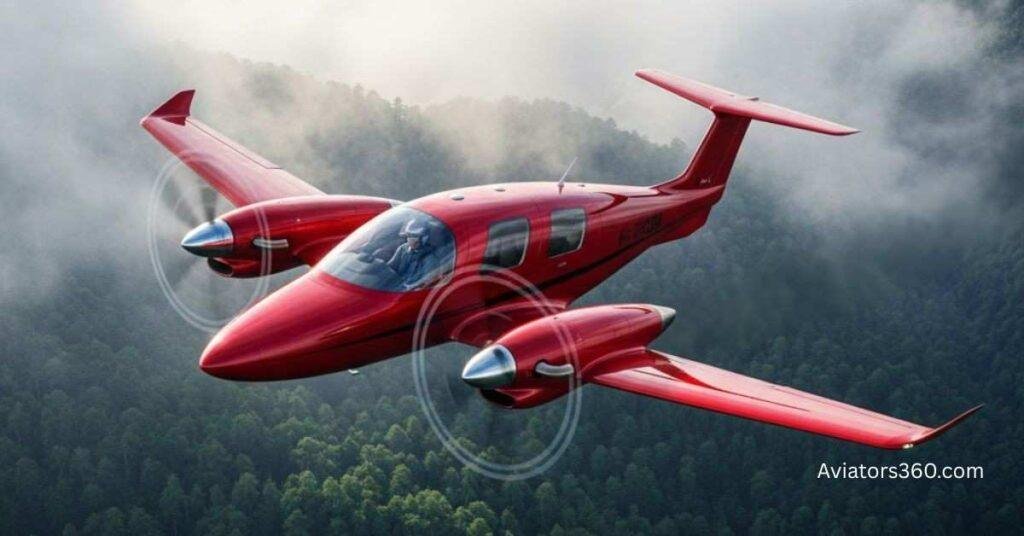
A commercial pilot job is attained through a structured and well-regulated process. From meeting eligibility requirements to completing flight training, gaining experience, and obtaining a license, each step prepares individuals for professional readiness. For those who value discipline, responsibility, and long-term growth, becoming a commercial pilot offers a clear and respected career path. With the right preparation and commitment, the journey from classroom to cockpit is both attainable and fulfilling.
Disclaimer :
The images and visual content used or generated for this topic are for illustrative and informational purposes only. They do not represent any specific airline, aircraft operator, training institute, or real individual unless explicitly stated. Any resemblance to actual persons, organizations, or aircraft registrations is purely coincidental.
This content is not intended to provide aviation, training, operational, or safety advice. Readers and viewers should refer to official aviation authorities, certified flight schools, and licensed professionals for accurate and up-to-date information related to pilot training or aircraft operations.
Pingback: Flying Jobs: Complete Guide to Pilot and Cabin Crew Careers