
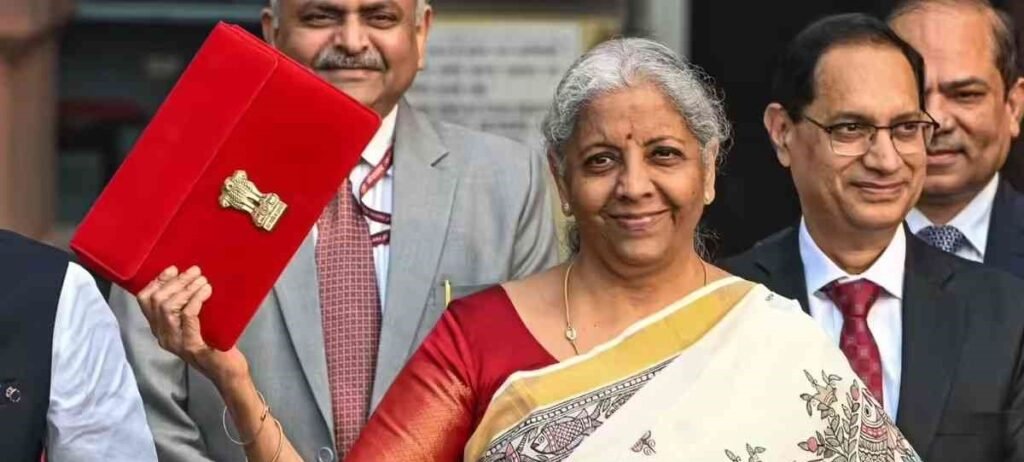
New Delhi, February 1, 2026 — As the morning sun rose over Kartavya Bhawan, Finance Minister Nirmala Sitharaman stepped into Parliament to present the Union Budget for 2026-27. In a speech that balanced fiscal discipline with a bold vision for the future, she unveiled a comprehensive roadmap for India’s aviation sector—a sector that has now officially become the third-largest domestic market in the world.
For the millions of Indians who look at the sky and see opportunity, this Budget was more than just a list of numbers. It was a strategic plan to turn India from a country that simply buys planes into a global hub that builds, maintains, and connects them across every corner of the map.
Building the Wings of Tomorrow: A Manufacturing Revolution
The headline-grabbing announcement for aviation enthusiasts and industry experts alike was the government’s decisive push for “Make in India” in the skies. In a major policy shift, the Finance Minister announced a complete exemption of Basic Customs Duty (BCD) on components and parts required for manufacturing civilian aircraft, including training planes.
Previously, Indian manufacturers faced a “tax trap.” It was often cheaper to import a finished plane than to import the hundreds of thousands of individual parts needed to build one at home. By removing this duty, the government has leveled the playing field.
“Our aim is to transform aspiration into achievement,” Sitharaman noted during her address. “By easing the cost of parts, we are inviting the world to not just fly in India, but to build in India.”
This move is particularly vital for the training sector. As India requires thousands of new pilots to man its growing fleet, the ability to manufacture training aircraft locally will significantly reduce the cost of pilot education, potentially making the dream of flying more accessible to the Indian youth.
Fixing the "Hidden" Costs: The MRO Advantage
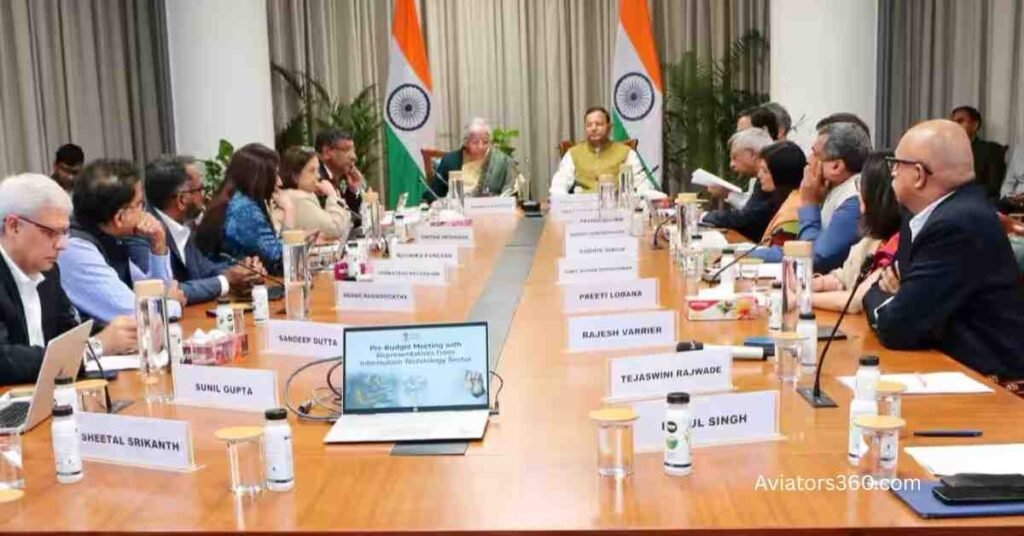
For years, Indian airlines have faced a significant logistical headache: Maintenance, Repair, and Overhaul (MRO). Because of a lack of domestic facilities, many carriers were forced to fly their aircraft to hubs in the Middle East or Southeast Asia for routine heavy maintenance, draining foreign exchange and increasing operational costs.
Budget 2026 takes a direct shot at solving this. The Minister proposed:
- Tax Relief for Defence MRO: Raw materials imported for manufacturing parts used in the maintenance of defence aircraft are now exempt from basic customs duty.
- Incentivizing Local Hubs: By reducing the cost of spare parts and materials, the government is encouraging global MRO giants to set up shop in Indian cities, ensuring that “Indian planes are serviced on Indian soil.”
Industry leaders, including the CEOs of Air India Express and Akasa Air, have hailed this as a “structural foundation” that will lead to more resilient and sustainable growth for the entire industry.
Connecting the Remote: UDAN 2.0 and the Rise of Seaplanes
While the big jets were the focus of manufacturing, the “common man” (Aam Nagrik) was at the heart of the connectivity announcements. The government’s flagship UDAN (Ude Desh ka Aam Nagrik) scheme received a massive 27% boost in funding, with the allocation rising to ₹550 crore for the upcoming year.
This funding is designed to:
- Revive “Ghost” Airstrips: Breathing life back into unserved or underserved runways in smaller towns.
- Reach the Last Mile: A specific focus has been placed on the North-Eastern states and hilly regions where air travel isn’t just a luxury—it’s a lifeline.
- Launch the Seaplane Era: In one of the most original moves of the Budget, the Minister introduced a Seaplane Viability Gap Funding (VGF) scheme. India, with its vast coastline and numerous inland waterways, has struggled to make seaplanes work in the past. This new financial support aims to make water-based flights a reality for tourism and remote connectivity.
The Numbers: A Closer Look at the Ministry's Purse
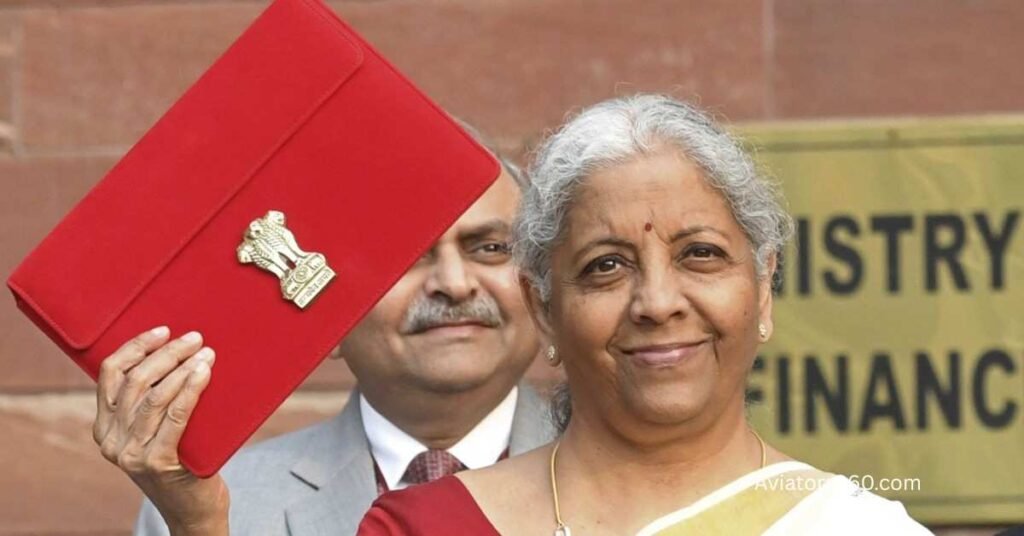
To support these ambitious goals, the overall budget for the Ministry of Civil Aviation has been set at ₹4,699.92 crore for the 2026-27 fiscal year.
While the increase might seem marginal on paper, the strategic allocation tells a different story. Significant funds have been earmarked for the regulatory bodies that keep us safe:
- The Directorate General of Civil Aviation (DGCA), the industry’s watchdog, will receive ₹342 crore.
- The Bureau of Civil Aviation Security (BCAS) is set to receive ₹114 crore.
Furthermore, ₹47.39 crore has been allocated to help the Airports Authority of India (AAI) manage customs operations at 27 smaller airports in Tier-II and Tier-III cities, ensuring that international cargo and passengers can be processed more efficiently across the country.
Why This Matters to You
You might wonder how tax exemptions on aircraft bolts or seaplane subsidies affect your daily life. The impact is subtle but long-lasting:
- More Travel Options: If you live in a smaller city, the 27% increase in UDAN funding means you are more likely to see a flight schedule appearing at your local airstrip soon.
- Stability in Fares: By reducing the cost of maintaining planes (MRO) and importing parts, the government is helping airlines keep their overheads low. In a highly competitive market, these savings often find their way back to the passenger in the form of stable ticket prices.
Job Growth: A domestic manufacturing and repair industry requires thousands of skilled technicians, engineers, and support staff, creating a new “white-collar” blue-print for employment in India.
Conclusion: Clearing the Runway
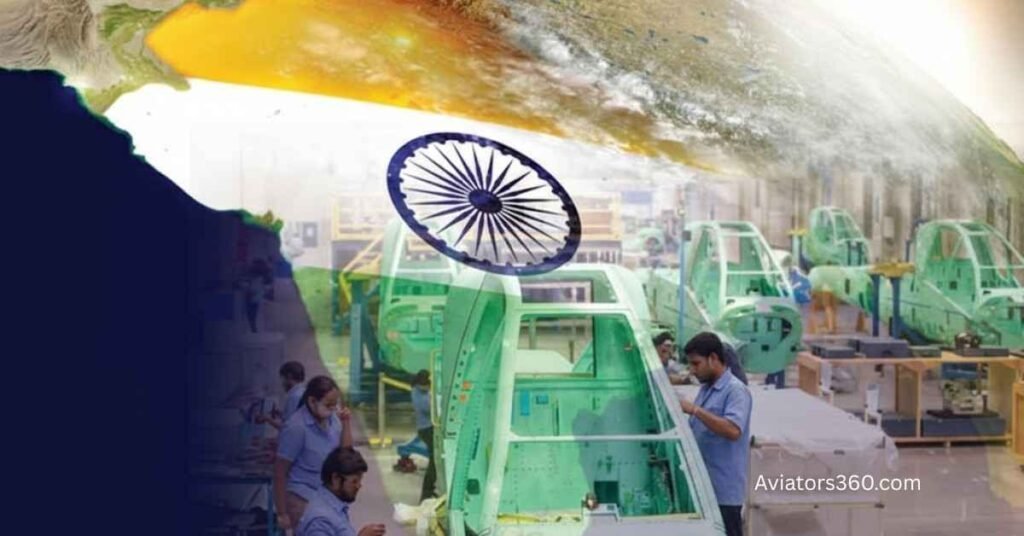
Union Budget 2026 isn’t just about flying higher; it’s about flying smarter. By focusing on the “nuts and bolts” of manufacturing and the “last mile” of remote connectivity, the government is preparing for a future where 665 million passengers will take to the Indian skies annually by 2031.
The message from the Finance Minister was clear: the runway is cleared, the fuel is loaded, and the Indian aviation sector is ready for its next big takeoff.
Disclaimer:
This blog is based on publicly available information, official budget documents, and media reports related to the Union Budget 2026. The content is intended for general informational purposes only. While every effort has been made to ensure accuracy at the time of writing, policy details, allocations, and implementation timelines may change based on government notifications or subsequent clarifications. The blog does not offer financial, legal, or investment advice. Readers are advised to refer to official government releases or consult relevant experts for detailed and updated information.