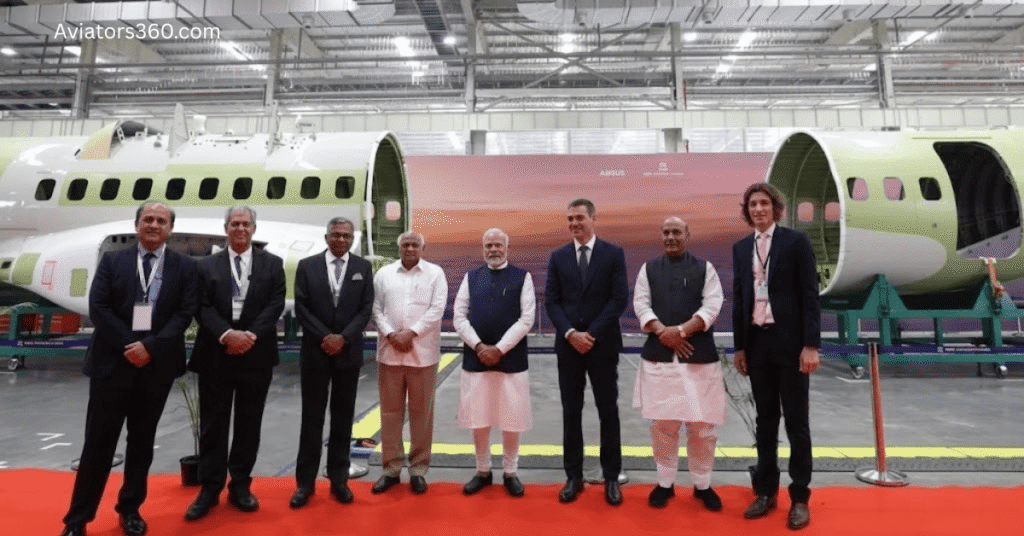
HYDERABAD, India – At the Wings India 2026 air show, a major step forward for India’s aviation industry unfolded when Russia’s Yakovlev and India’s Hindustan Aeronautics Limited (HAL) signed a preliminary agreement. This partnership signals rising global confidence in India’s growing role in aircraft design and production. Union Minister of Civil Aviation Ram Mohan Naidu Kinjaparu highlighted the moment, calling India a leader in aviation manufacturing and design. The event, held from January 28 to February 1 at Begumpet Airport, showcased how India is positioning itself at the center of the world’s aviation future.
What is Wings India?
Wings India is Asia’s largest civil aviation event, drawing companies, governments, and experts from around the globe. This year’s edition attracted over 1,000 exhibitors and visitors from more than 50 countries. Against this backdrop, the Yakovlev-HAL agreement stood out as a practical example of international collaboration. Yakovlev, a subsidiary of Russia’s United Aircraft Corporation, specializes in designing and building trainer and light combat aircraft. HAL, a state-owned company based in Bengaluru, has a long history of producing military and civilian aircraft for India and beyond.
Background to the Partnership
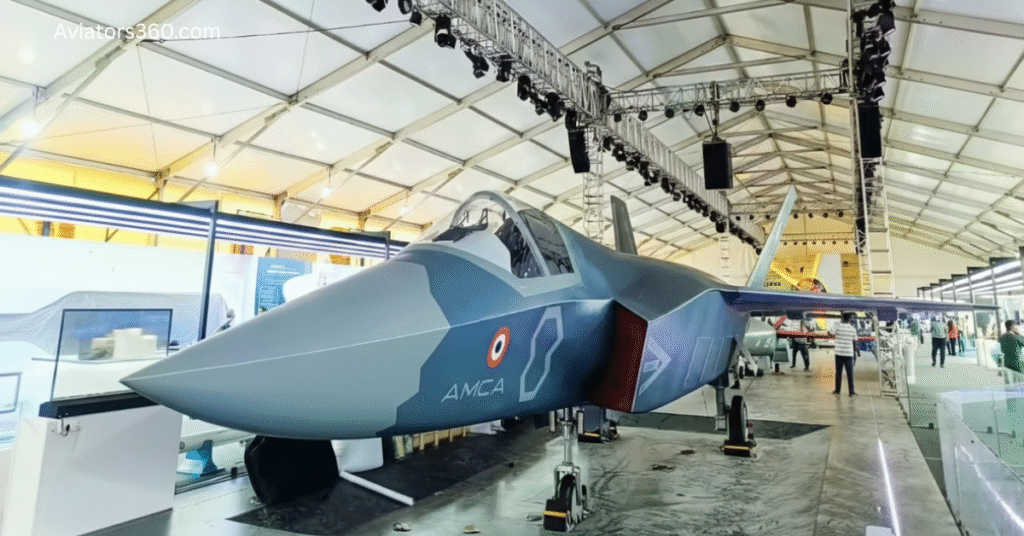
Their preliminary pact focuses on joint work to develop advanced trainer aircraft, potentially tailored for India’s needs. The background to this deal reflects India’s push to build its own aviation capabilities. For decades, India has relied on imports for most of its aircraft, from fighter jets to passenger planes. But in recent years, the government has promoted “Make in India,” a campaign to encourage local manufacturing. This includes aviation, where HAL already assembles Sukhoi fighter jets under license from Russia and develops indigenous projects like the Tejas light combat aircraft. Yakovlev brings expertise from its Yak-130 advanced trainer jet, which has been used by several air forces worldwide.
Details of the Agreement
The two companies have discussed cooperation before, but Wings India 2026 provided the platform to formalize initial steps. Eyewitnesses at the event described the signing as a quiet but significant ceremony amid the roar of aircraft displays. Representatives from both firms shook hands in front of aviation displays, with HAL’s chairman and Yakovlev executives exchanging documents. The agreement is preliminary, meaning it outlines intentions rather than final commitments. It covers areas like technology transfer, joint design, and production of next-generation trainers. These aircraft train pilots for fighter jets, making them essential for any air force. For India, which operates aging trainer fleets, this could mean faster upgrades without full dependence on foreign suppliers.
Minister's Vision and India's Growth
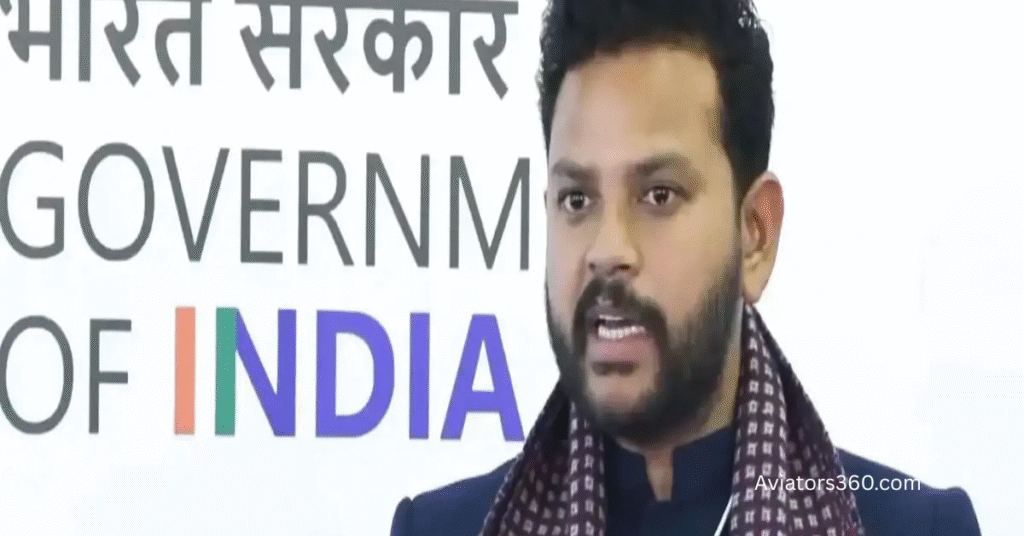
Union Minister Naidu, speaking at the event, tied the deal to India’s broader aviation story. “India is not just a market; we are becoming a hub for design and manufacturing,” he said. His words echoed data from global forecasts. Boeing predicts India will need over 2,200 new aircraft by 2042 to meet rising demand for travel. Airbus shares a similar view, estimating demand for 2,920 planes. This growth stems from India’s expanding middle class, booming tourism, and plans for 200-300 new airports by 2025. Domestic airlines like IndiGo and Air India are already ordering hundreds of planes, but the real opportunity lies in producing them locally.
Broader Impacts
The Yakovlev-HAL pact fits into this picture by addressing both military and civilian needs. Trainer aircraft often evolve into light passenger or utility planes, so the collaboration could spill over into commercial aviation. India’s civil aviation sector has grown rapidly; passenger traffic hit 150 million in 2024, up from 60 million a decade earlier. Yet challenges remain, like high costs and supply chain issues. Partnerships like this help by sharing technology and costs, allowing India to build skills in areas such as avionics, engines, and composites.
Expert Views and Global Ties

Experts see wider impacts. Dr. Sanjay Kapoor, an aviation analyst with the Centre for Civil Aviation Research, noted that such deals strengthen India’s position in global supply chains. “When foreign firms partner with HAL, it validates our engineering talent and reduces risks for investors,” he explained. Russia, facing Western sanctions, benefits too by accessing India’s market and production base. This aligns with long-standing India-Russia ties in defense, which date back to the 1960s.
Possible Next Steps
Looking ahead, next steps include detailed talks on specifics like timelines, funding, and prototypes. HAL plans to integrate Yakovlev’s designs with Indian systems for better suitability. The government supports this through incentives like tax breaks for local production. If successful, it could lead to full contracts by 2027, creating thousands of jobs in states like Karnataka and Uttar Pradesh.
Beyond the Deal: Highlights from Wings India
Wings India 2026 featured more than just this deal. Boeing and Airbus announced orders from Indian carriers, while startups displayed drones and electric vertical takeoff vehicles. Prime Minister Narendra Modi’s virtual address urged the industry to aim for self-reliance. As the event wrapped up, the Yakovlev-HAL agreement emerged as a symbol of India’s aviation ascent – steady, collaborative, and grounded in real potential.
This partnership reminds us that aviation growth isn’t just about buying planes; it’s about building them. With demand set to soar, India’s steps at Wings India position it not as a buyer, but as a key player on the world stage.
Disclaimer :
This blog is based on publicly available information and official statements shared during Wings India 2026. The details regarding agreements, discussions, and future plans are preliminary in nature and may be subject to change as further evaluations and approvals take place. The publication does not claim any official association with the organisations mentioned and does not intend to provide financial, legal, or investment advice. Readers are advised to rely on official announcements and verified sources for the most current and accurate information.