
Even as global aviation faces economic uncertainty and regulatory challenges, Boeing remains confident about the future of its Dreamliner aircraft in India. The company believes that demand for the Boeing 787 Dreamliner will continue to grow in the country, driven by India’s expanding aviation market, rising international travel, and airlines’ long-term fleet plans. According to Boeing, temporary turbulence—such as trade pressures, supply chain issues, and past safety concerns—has not weakened India’s importance in its global strategy.
This confidence highlights how central India has become to the future of long-haul air travel, even at a time when the global aviation industry is navigating a complex recovery phase.
India’s Growing Role in Global Aviation
India has emerged as one of the world’s fastest-growing aviation markets. A large population, rising incomes, and improved airport infrastructure have led to a steady increase in air travel. Domestic flights continue to grow, but international travel is also expanding quickly, with more passengers flying directly from Indian cities to destinations abroad.
Indian airlines are increasingly looking beyond short-haul routes. Many are adding long-distance flights to North America, Europe, and Australia. This shift has created a strong need for modern, fuel-efficient wide-body aircraft—planes that can fly long distances while keeping operating costs under control.
Boeing sees this trend as a key reason why the Dreamliner remains well-suited for India’s aviation future.
A Closer Look at Why the Dreamliner Works for India
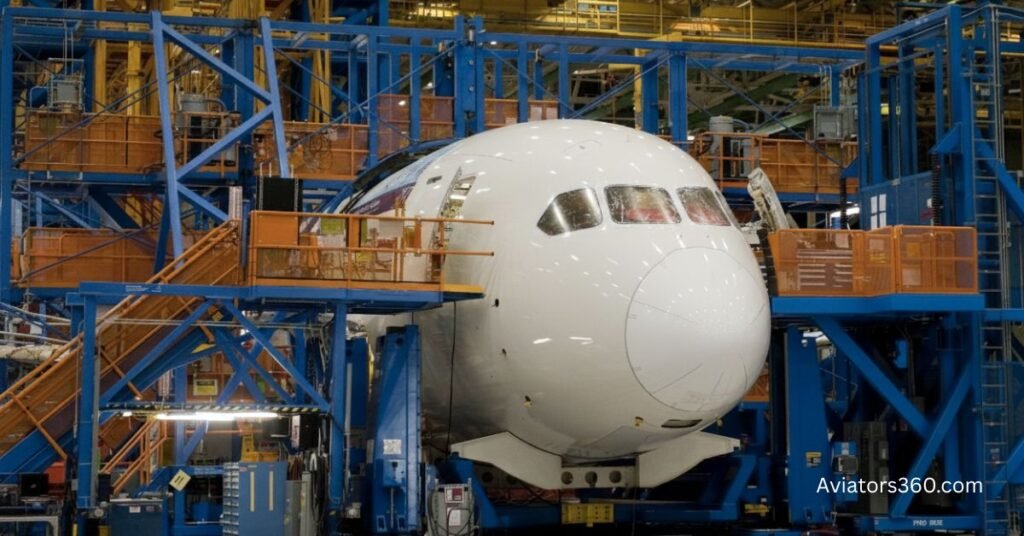
The Boeing 787 Dreamliner was designed to make long-distance travel more efficient and flexible. It uses advanced materials that make it lighter than older aircraft, helping airlines save fuel and reduce costs. For carriers, this means they can operate long routes that may not have been financially viable in the past.
In the Indian context, this flexibility is especially valuable. Airlines can connect cities directly without relying only on major hubs. This helps passengers save time and supports regional growth by linking more cities to global networks.
Passengers also benefit from the Dreamliner’s design. Features such as larger windows, quieter cabins, and improved air quality make long journeys more comfortable. As Indian travelers become more frequent international flyers, comfort and experience are becoming more important factors for airlines when choosing aircraft.
Turbulence Boeing Is Facing
Despite its optimism, Boeing has not ignored the challenges it faces. The aviation industry has been affected by rising costs, supply chain disruptions, and trade-related issues, including tariffs that can increase aircraft prices for airlines.
Boeing has also spent recent years rebuilding trust after a major safety crisis that affected its reputation worldwide. While the Dreamliner itself was not at the center of that crisis, the company as a whole faced intense scrutiny from regulators and customers.
According to Boeing, significant steps have been taken to improve internal processes, strengthen quality checks, and work closely with aviation authorities. The company has emphasized that safety and transparency remain its top priorities as it looks ahead.
Confidence in Long-Term Demand
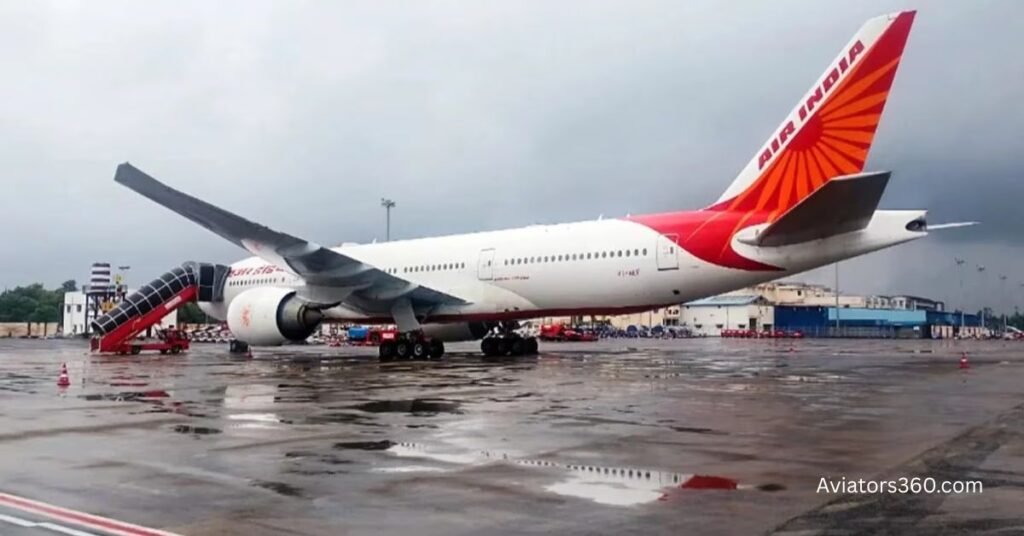
Boeing’s message is clear: short-term challenges do not change long-term fundamentals. Aircraft purchases are planned many years in advance, and airlines base their decisions on future passenger demand rather than immediate market conditions.
India’s long-term outlook remains strong. International tourism, business travel, and the movement of the Indian diaspora are expected to continue growing. Government investment in airport expansion and regional connectivity also supports higher air traffic over time.
Because of these factors, Boeing believes Indian airlines will continue to place new orders for wide-body aircraft, including additional Dreamliners, even if deliveries take place gradually.
India as More Than a Customer
For Boeing, India is not only a sales market but also a strategic partner. The company has a significant presence in the country through engineering services, supply chain partnerships, and training programs. Indian engineers and companies contribute to various stages of aircraft development and support.
This close relationship allows Boeing to better understand the needs of Indian airlines and adapt to local requirements. It also aligns with India’s broader ambition to strengthen its role in global aviation manufacturing and services.
Industry observers note that such long-term engagement builds confidence on both sides, making future aircraft deals more likely.
Competition in a Fast-Growing Market
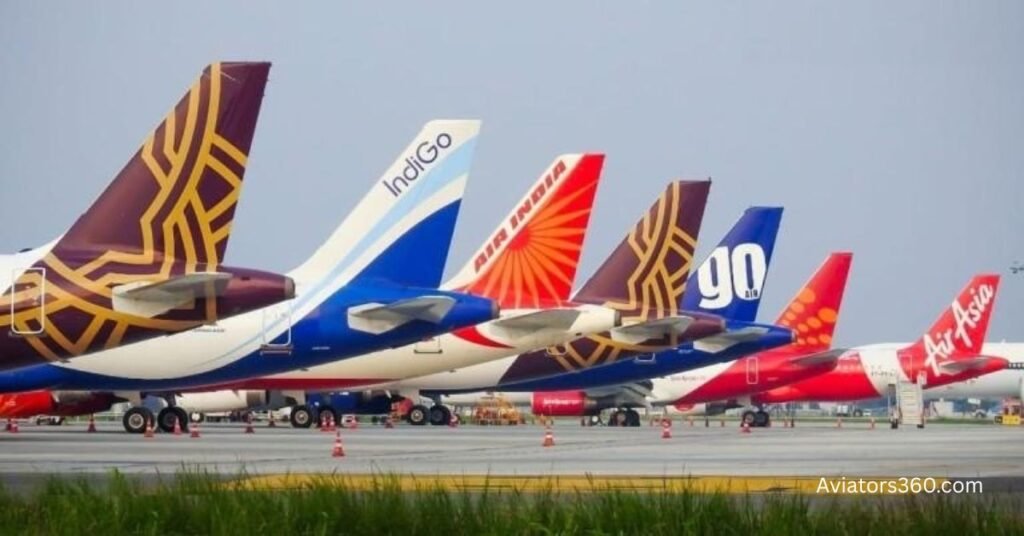
India’s aviation growth has attracted global attention, and Boeing faces competition from other aircraft manufacturers. Airlines often compare aircraft based on cost, efficiency, delivery timelines, and after-sales support.
However, Boeing believes the Dreamliner’s track record gives it an advantage. Several Indian airlines already operate the aircraft, which reduces training and maintenance costs if they add more of the same model. This factor, known as fleet commonality, often plays an important role in airline decisions.
What Comes Next
Looking ahead, Boeing expects India’s demand for long-haul aircraft to rise steadily over the next decade. New airports, expanding international routes, and growing passenger confidence are likely to support this trend.
While challenges such as tariffs and global economic uncertainty remain, Boeing’s outlook suggests confidence that these issues can be managed over time. For Indian aviation, the Dreamliner may continue to be a key aircraft connecting the country to the world.
As India’s skies grow busier and its global connections deepen, Boeing’s belief in more Dreamliner orders reflects a broader story—one of long-term growth, resilience, and an aviation market still on the rise.
Also Read: The Plane Order Race: Why Airbus Says Boeing Will Win This Year
Disclaimer:
This blog is written for general informational purposes only. It is based on publicly available information, industry reports, and official statements at the time of writing. The content does not represent the views of any airline, aircraft manufacturer, or government authority. While every effort has been made to ensure accuracy, the aviation industry is subject to change, and readers are advised to verify details from official sources. This blog should not be considered financial, investment, or commercial advice.