

On January 17, 2026, an Indonesian ATR 42 turboprop aircraft crashed in a mountainous area near Makassar, the capital of South Sulawesi province. The aircraft was on a government surveillance mission and had 11 people on board at the time of the incident. The crash has drawn national attention, highlighting both the human loss involved and the ongoing challenges of operating aircraft in Indonesia’s complex geography and weather conditions.
Overview of the Incident
The aircraft was operated by Indonesia Air Transport on behalf of a government agency responsible for maritime and fisheries monitoring. It was conducting a routine surveillance flight when it lost contact with air traffic control shortly before reaching its destination. The flight was approaching Makassar when communication was suddenly interrupted, raising immediate concern among aviation authorities.
Air traffic controllers attempted to re-establish contact, but the aircraft did not respond. Given the flight’s location and mission profile, officials quickly suspected that something had gone wrong and began emergency procedures. Within hours, a search and rescue operation was launched to locate the missing aircraft and its occupants.
Location and Terrain Challenges
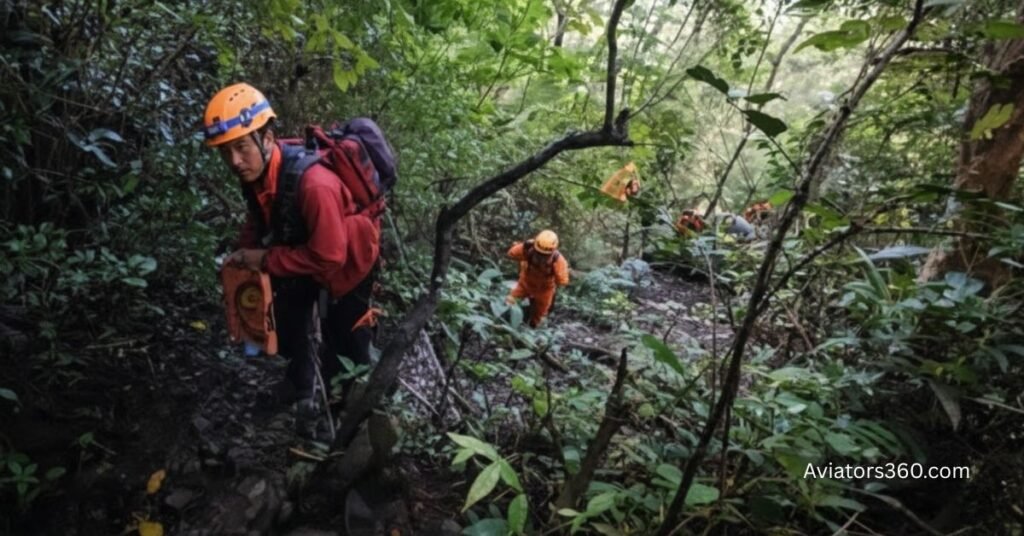
The crash occurred in a remote, mountainous region north of Makassar. This area is known for steep slopes, dense forest cover, and limited road access. Such terrain makes both flight operations and ground rescue efforts particularly difficult. Weather conditions at the time of the flight included low cloud cover and reduced visibility, which may have further complicated the aircraft’s approach.
Indonesia’s geography presents unique challenges for aviation. Many airports are surrounded by hills or mountains, and sudden weather changes are common. These factors demand high levels of situational awareness from flight crews and careful coordination with air traffic services, especially during landing phases.
Search and Rescue Operations
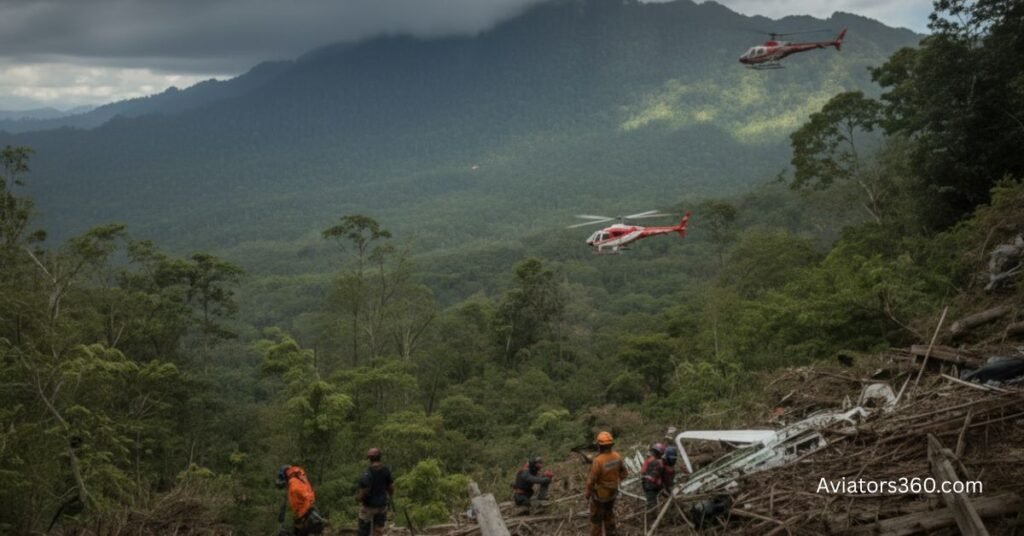
Following the loss of contact, Indonesian authorities mobilized a large-scale search and rescue effort. The operation involved military units, police, disaster response teams, and local volunteers. Helicopters were deployed to scan the area from the air, while ground teams worked their way through rugged terrain on foot.
Poor weather conditions initially slowed progress. Fog, rain, and strong winds limited helicopter visibility, while slippery paths and thick vegetation made ground movement hazardous. Despite these obstacles, search teams continued operations around the clock.
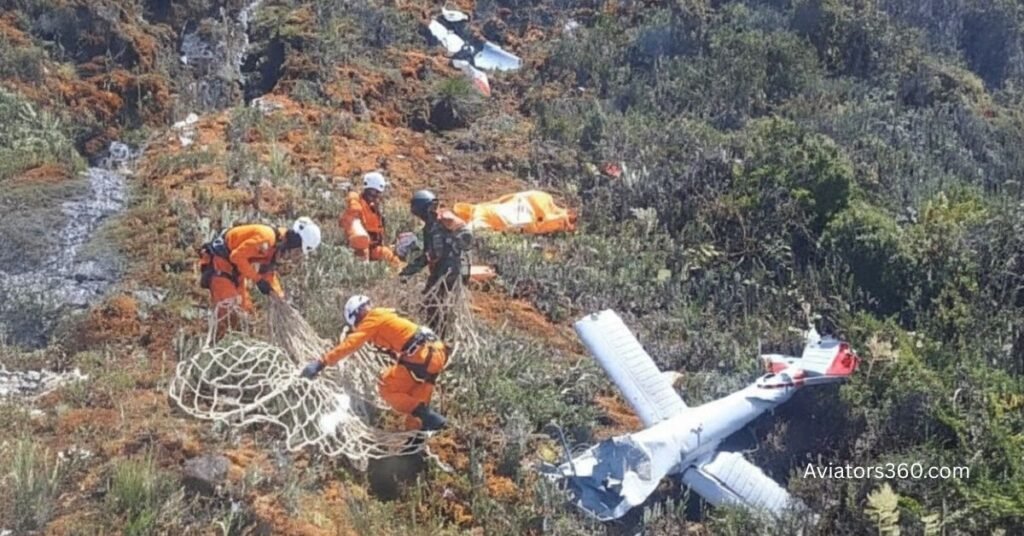
The following day, rescuers located aircraft wreckage scattered across a mountainside. The debris pattern suggested a high-impact crash. Due to the difficult location, reaching the site required careful planning and specialized equipment. Rescue personnel worked cautiously to ensure their own safety while attempting to recover victims and evidence.
Casualties and Recovery Efforts
Authorities confirmed that all 11 people on board were affected by the crash. At least one body was recovered during the initial phase of the operation, while others were believed to be at or near the wreckage site. Recovery efforts have been slow due to the steep terrain and unstable weather conditions.
Officials stated that identifying the victims and returning them to their families would be handled with care and respect. Support services were made available to families of those on board, many of whom were government employees or contracted personnel involved in the surveillance mission.
About the Aircraft

The ATR 42 is a twin-engine turboprop aircraft commonly used for regional flights and special missions. It is designed to operate efficiently on short routes and in areas where larger aircraft may not be suitable. The type is widely used across island nations and remote regions due to its ability to take off and land on relatively short runways.
The aircraft involved in this crash had been in service for many years and was adapted for surveillance duties. Such missions typically involve extended flight times at lower altitudes, which can increase exposure to weather changes, especially in mountainous regions.
Aviation Safety Context in Indonesia
Aviation remains vital for linking remote and urban regions across Indonesia. While the country has made significant progress in improving aviation safety standards over the past decade, challenges remain. Difficult terrain, unpredictable weather, and high demand for air services can increase operational risks.
Government and commercial aviation operators are subject to safety regulations and oversight, but incidents still occur, particularly involving smaller aircraft or specialized missions. Each accident prompts renewed discussion about safety practices, training, and infrastructure improvements.
Importance of the Investigation
A formal inquiry is underway to determine the circumstances behind the crash. Investigators will examine several key factors, including weather conditions, flight planning, aircraft performance, and communication records. Any available flight data and maintenance history will also be reviewed.
The goal of the investigation is not only to establish what happened, but also to identify lessons that can help prevent similar accidents in the future. Findings may lead to updated procedures, enhanced training, or technical improvements, particularly for flights operating in challenging environments.
Possible Next Steps
In the short term, authorities remain focused on completing recovery operations and supporting affected families. Once the investigation progresses, its conclusions may influence future policies related to surveillance flights and operations near mountainous areas.
Potential outcomes could include improved weather monitoring, stricter approach procedures for certain airports, or additional safety equipment for aircraft used in government missions. Any recommendations will be carefully reviewed by aviation authorities before implementation.
Conclusion
The crash of the Indonesian ATR 42 near Makassar is a tragic event that has resulted in the loss of all 11 people on board. It serves as a reminder of the risks associated with flying in regions with complex terrain and changing weather conditions. As search, recovery, and investigation efforts continue, attention remains focused on understanding the cause of the accident and ensuring that similar tragedies can be avoided in the future.
This incident underscores the importance of ongoing investment in aviation safety, training, and infrastructure, particularly in countries where air travel plays a vital role in connecting people and supporting essential government operations.
Disclaimer:
This blog is based on information available from official statements and media reports at the time of publication. Details may change as authorities continue search, recovery, and investigation efforts. The content is intended solely for informational purposes and does not speculate beyond confirmed facts.