
Modern aircraft are safer than ever—yet aviation accidents still happen. Not because we lack rules, manuals, or technology, but because the real danger hides in the gaps between machines, people, and culture. Today’s challenge in aviation safety is no longer about writing new regulations; it’s about fixing what silently breaks down between them. This blog explores the most critical safety areas that must change to truly make aviation safer.
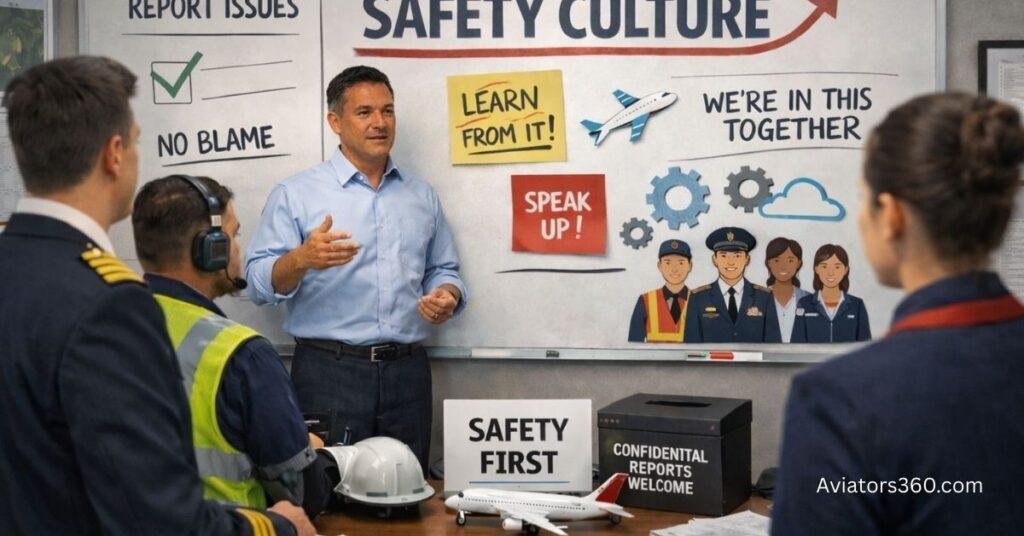
1. Safety Culture: From “Compliance” to “Just Culture”
What must change
- Fear-based reporting still exists.
- Engineers, pilots, and cabin crew sometimes hide errors to avoid punishment.
What safer aviation needs
- Strong Just Culture where honest mistakes are reported without blame.
- Management must reward reporting, not silence it.
- Safety should be led from the top, not just written in manuals.
Aviation accidents often start with an unreported small error.
A strong safety culture is one where people speak up without fear—because silence is more dangerous than mistakes.
2. Human Factors: Training Beyond Technical Skills
What must change
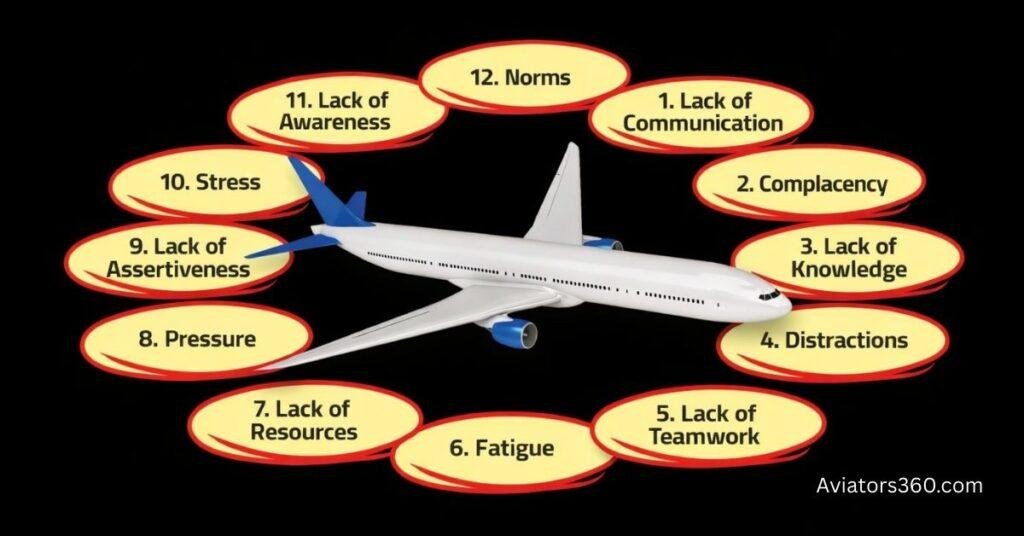
- Fatigue, stress, time pressure, and complacency are underestimated.
- HF training is often treated as a checkbox item.
What safer aviation needs
- Realistic fatigue risk management.
- Better shift planning for AMEs and crew.
- Training focused on decision-making under pressure, not just theory.
Most incidents involve human factors, not system failures.
Fatigue, stress, and pressure don’t show up in manuals—but they show up in accidents.
3. Maintenance Practices: Quality Over Speed
What must change
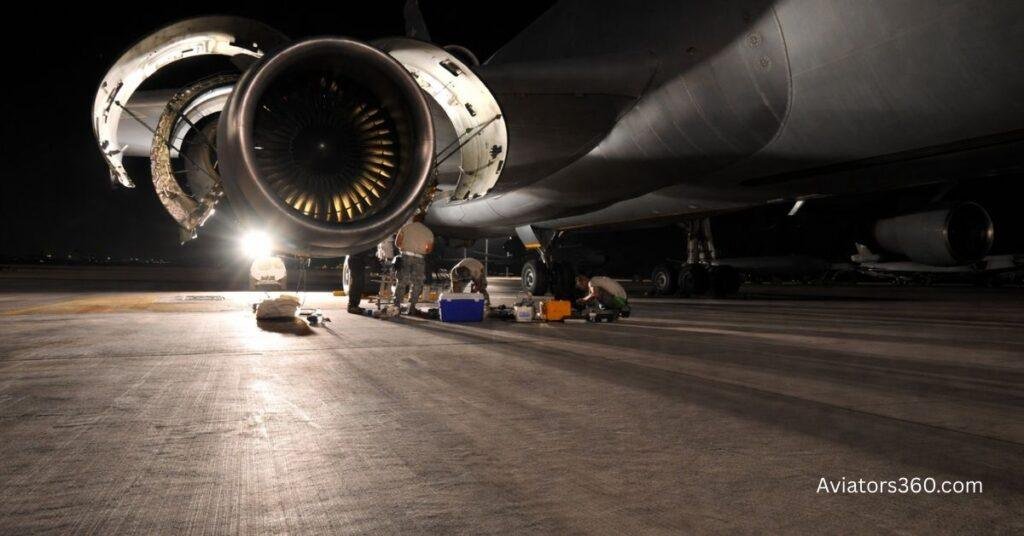
- Pressure to release aircraft quickly.
- Shortcuts during night stops and AOG situations.
- Over-reliance on experience instead of procedures.
What safer aviation needs
- Strict adherence to AMM, even under pressure.
- Independent inspections for critical tasks.
- Digital task tracking to reduce missed steps.
One skipped torque or pin can ground an aircraft—or worse.
Rushed maintenance saves minutes—but strict procedures save lives.
4. Training: Scenario-Based, Not Memory-Based
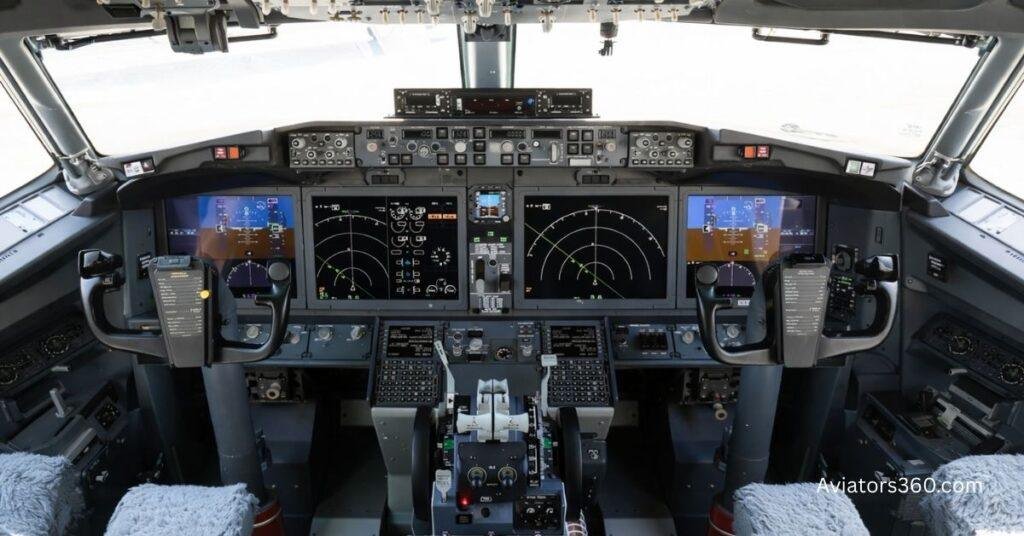
What must change
- Training focused on passing exams.
- Limited exposure to rare but dangerous scenarios.
What safer aviation needs
- Scenario-based simulator training.
- Maintenance error case studies in training.
- Joint training between pilots, AMEs, and cabin crew.
People don’t fail because they don’t know—they fail because they’ve never practiced the situation.
In an emergency, we don’t rise to the level of knowledge—we fall to the level of training.
5. Technology Use: Smart Tools, Not Blind Trust
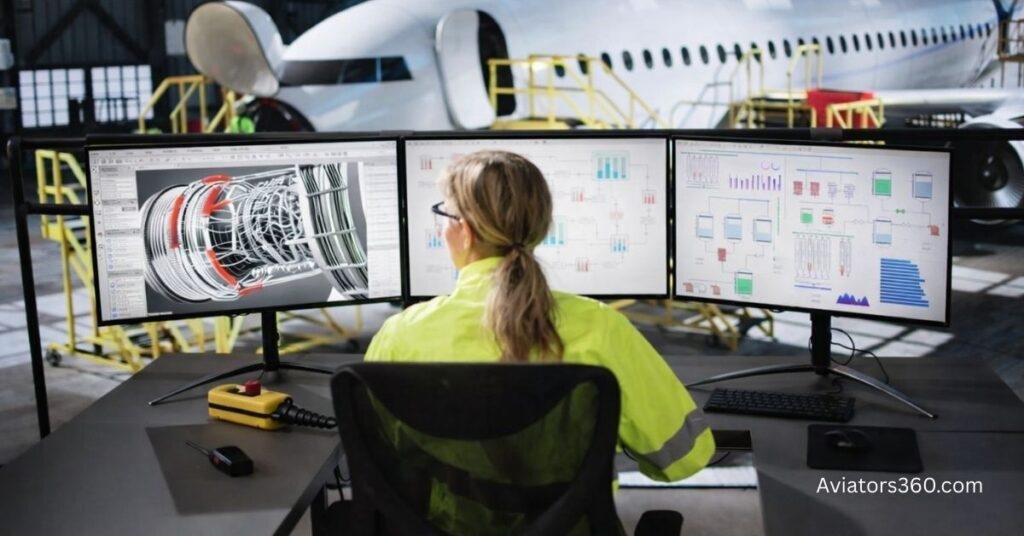
What must change
- Over-trust in automation.
- Incomplete understanding of aircraft logic.
What safer aviation needs
- Better system knowledge (especially fly-by-wire & protections).
- Predictive maintenance using health monitoring.
- Clear human override philosophy.
Aircraft manufacturers like Airbus and Boeing design advanced systems—but humans must understand their limits.
Automation supports safety only when humans fully understand its limits.
6. Communication: Breaking Silos
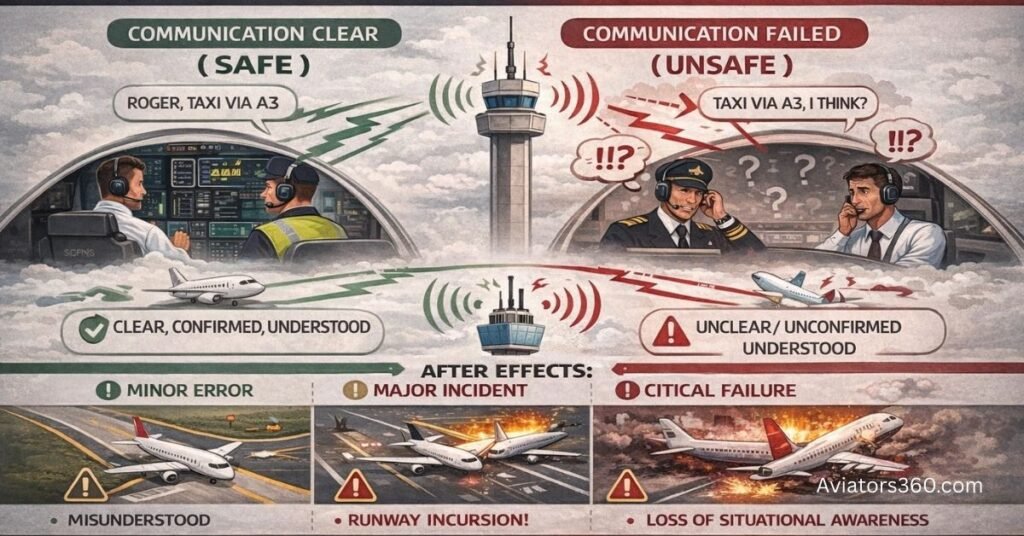
What must change
- Poor handovers between shifts.
- Weak coordination between flight ops and maintenance.
What safer aviation needs
- Standardized shift handovers.
- Maintenance–pilot debrief culture.
- Clear MEL/CDL communication.
Many accidents happen because “someone assumed someone else knew.”
When communication breaks down, assumptions take over—and assumptions cause accidents.
7. Regulation & Oversight: Proactive, Not Reactive
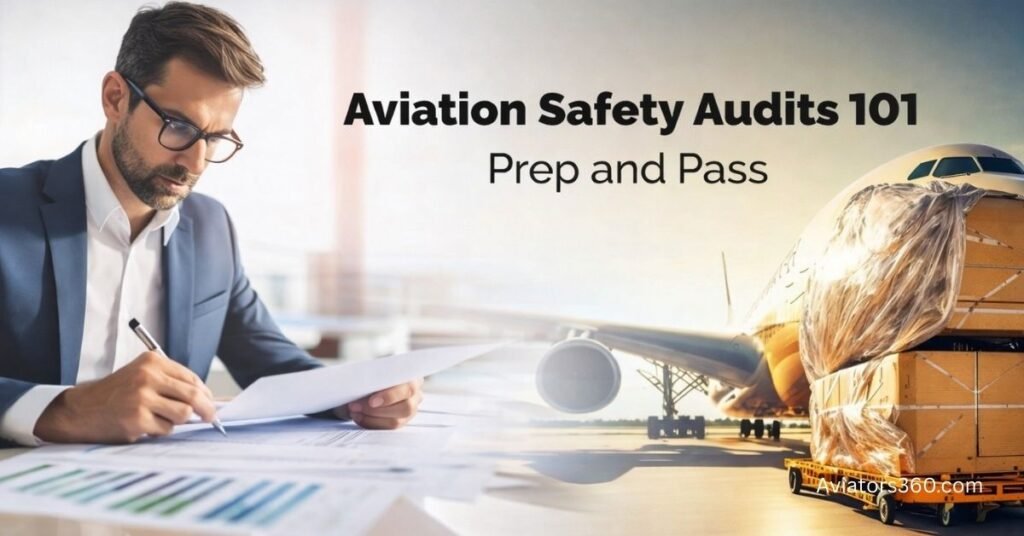
What must change
- Regulations often updated after accidents.
- Audits focus on paperwork, not real behavior.
What safer aviation needs
- Risk-based audits.
- Data-driven safety monitoring.
- Strong alignment with International Civil Aviation Organization standards.
True safety oversight prevents accidents before they happen—not after reports are written.
Note- Safer aviation is not about zero mistakes. It’s about detecting, reporting, and fixing mistakes before they align.
Pingback: West Asia Conflict and International Flights: Why Airlines Are Changing Routes