
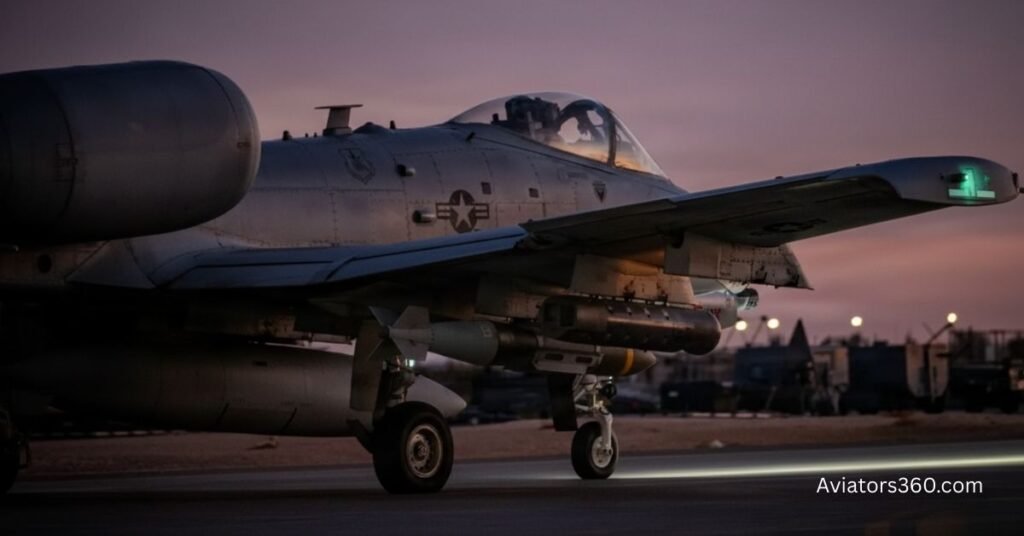
In a series of decisive military actions, the United States has conducted extensive strikes in Syria, targeting facilities used by Iran’s Islamic Revolutionary Guard Corps (IRGC) and its affiliated groups. These operations come as a direct response to a surge in attacks against U.S. personnel stationed in Iraq and Syria, which American officials have attributed to these Iran-backed entities. The situation highlights a complex and escalating dynamic in the Middle East, intertwining the ongoing fight against ISIS with broader regional power struggles.
Background to the Current Escalation
The U.S. military presence in Iraq and Syria is primarily focused on advising and assisting local forces in the enduring campaign to prevent the resurgence of ISIS. While ISIS was largely defeated territorially in 2019, remnants of the group continue to pose a threat, operating in a more decentralized, insurgent fashion. The U.S. commitment to this mission has, however, placed its forces in a volatile region, susceptible to various actors with differing agendas.
Over recent weeks, there has been a noticeable increase in rocket and drone attacks on U.S. bases and personnel. The Pentagon has reported numerous such incidents, leading to injuries among American service members, some of whom have sustained traumatic brain injuries. These attacks have been consistently linked by U.S. intelligence to militias supported by Iran, operating within both Iraq and Syria. These groups often express strong anti-U.S. sentiments and have a history of targeting American interests in the region.
The current wave of hostilities is also viewed through the lens of the broader geopolitical landscape, particularly the conflict between Israel and Hamas. While U.S. officials have stated that the strikes in Syria are distinct from the Israel-Hamas conflict, they acknowledge that regional tensions are elevated, and various actors may be seeking to leverage the situation for their own strategic gains. The concern is that the conflict could widen, drawing in more parties and further destabilizing an already fragile region.
The Strikes and Their Rationale
The U.S. response has been calibrated, with officials emphasizing a desire to deter further attacks while avoiding a wider regional conflict. The strikes have specifically targeted weapons storage facilities and other infrastructure used by the IRGC and its proxies. These targets are chosen based on intelligence suggesting their direct involvement in the planning and execution of attacks against U.S. forces.
On October 26, 2023, the U.S. conducted self-defense strikes against two facilities in eastern Syria. These facilities were identified as belonging to the IRGC and associated groups. Secretary of Defense Lloyd J. Austin III stated that these precision strikes were a direct response to the “escalation of attacks by Iran-backed militia groups against U.S. personnel in Iraq and Syria.” He reiterated that the U.S. does not seek conflict but will defend its personnel.
Another significant wave of strikes occurred on November 8, 2023, with U.S. forces hitting a command and control center and a training facility in eastern Syria. These actions were again described as defensive, aimed at disrupting the capabilities of groups responsible for the ongoing attacks. President Joe Biden has authorized these responses, asserting the U.S. right to self-defense and its commitment to protecting its troops.
The communication from U.S. officials has been consistent: these actions are defensive, proportional, and designed to send a clear message. The goal is not regime change in Syria or a direct confrontation with Iran, but rather to restore deterrence and protect American lives. However, the repeated nature of the strikes underscores the persistent threat and the difficulty in fully de-escalating the situation.
The Role of ISIS in the Current Environment
While the recent U.S. strikes primarily target Iran-backed groups, it’s crucial to remember that the underlying mission in Syria remains the counter-ISIS campaign. The presence of other armed groups, including those supported by Iran, complicates this mission significantly. The U.S. works closely with the Syrian Democratic Forces (SDF), a local partner group, in combating ISIS remnants. Any diversion of resources or attention due to attacks from other actors can potentially create openings for ISIS to regroup or conduct attacks.
The ongoing instability provides a fertile ground for extremist groups like ISIS to exploit. While ISIS itself may not be directly involved in the attacks on U.S. forces from Iran-backed militias, the broader chaos benefits their long-term goals. The U.S. strategy, therefore, is multifaceted: to degrade ISIS while simultaneously protecting its forces from other hostile actors. This requires careful navigation of a complex web of alliances and antagonisms.
Possible Impact and Next Steps
The impact of these strikes is multifaceted. On one hand, they demonstrate U.S. resolve and its willingness to respond forcefully to threats against its personnel. This could potentially deter future attacks from Iran-backed groups, at least in the short term. It also serves as a reaffirmation of the U.S. commitment to its partners in the region.
On the other hand, the strikes carry the risk of further escalation. Iran and its proxies have condemned the U.S. actions, and there is always a possibility of retaliatory attacks, creating a cycle of violence. The delicate balance is to inflict enough pain to deter without provoking a wider, uncontrolled conflict. The long-term effectiveness of these strikes in permanently stopping attacks remains to be seen.
The situation also puts pressure on diplomatic efforts. While military actions are underway, there are likely ongoing attempts through various channels to de-escalate tensions and prevent the conflict from spiraling out of control. However, given the deep-seated animosities and the number of actors involved, a quick resolution is unlikely.
Looking ahead,
the U.S. is expected to maintain its defensive posture, ready to respond to further attacks. The focus will remain on protecting its personnel while continuing its core mission against ISIS. The international community will be closely watching, urging all parties to exercise restraint and avoid actions that could plunge the region into a broader conflict. The intricate dynamics of the Middle East ensure that stability remains an elusive goal, with each action carrying significant consequences.
Also Read : Skies Go Silent Over Venezuela as US Strikes Rock the Nation
Disclaimer:
This blog is based on publicly available information from official statements and credible news sources at the time of publication. Details may change as new information emerges. The content is intended solely for informational and educational purposes and does not aim to promote or justify any military action, political position, or viewpoint. The publisher does not accept responsibility for inaccuracies resulting from later developments.