
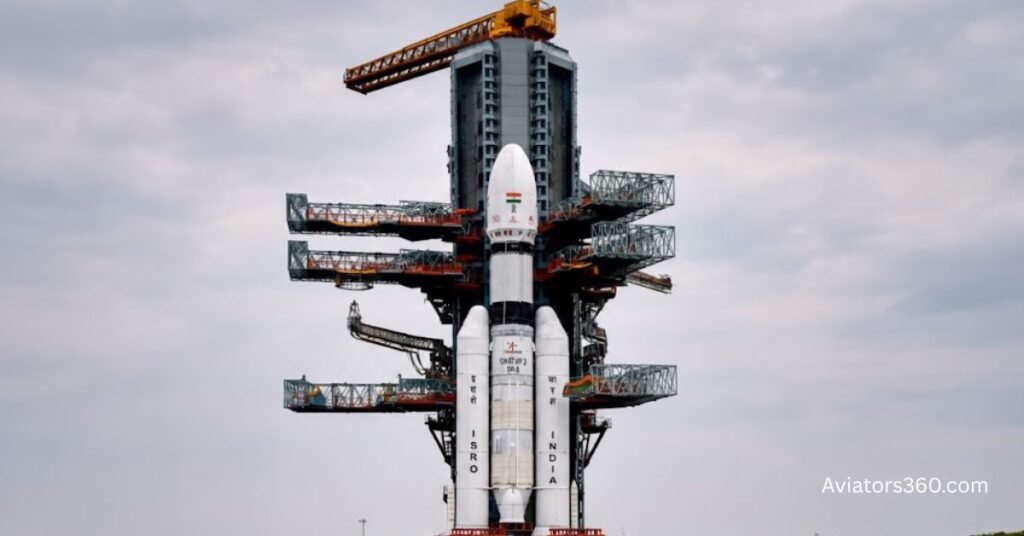
The year 2026 is set to begin with a high-stakes celestial event as the Indian Space Research Organisation (ISRO) prepares for its first orbital mission on January 12. At 10:17 AM local time, the Polar Satellite Launch Vehicle (PSLV-C62) will lift off from the Satish Dhawan Space Centre in Sriharikota, carrying a payload that represents a significant leap for national security, commercial innovation, and international diplomacy.
This mission is far from routine. It features a sophisticated “spy” satellite for the Indian military, a historic test of on-orbit refuelling technology, and a dedicated satellite for Nepal, highlighting India’s growing role as a regional space hub.
The Primary Mission: A New Eye in the Sky
At the heart of the launch is the EOS-N1, also known as Anvesha. Developed by the Defence Research and Development Organisation (DRDO), this satellite is designed specifically for the Indian military. While most cameras see light in three primary colors (red, green, and blue), Anvesha uses “hyperspectral imaging.”
This advanced technology allows the satellite to see the Earth in hundreds of different wavelengths of light, many of which are invisible to the human eye. For a “strategic user”—essentially the Indian armed forces—this means the ability to identify materials, see through camouflage, and monitor border regions with unprecedented precision. It provides a level of detail that traditional imaging cannot match, making it a powerful asset for national security and strategic surveillance.
A Gas Station in Space: On-Orbit Refuelling
Perhaps the most futuristic part of this mission is a technology demonstration by a Bengaluru-based startup, OrbitAID Aerospace. Their satellite, AayulSAT, is designed to test “on-orbit refuelling.”
Currently, when a satellite runs out of fuel, its mission is over—even if its cameras and electronics are still working perfectly. It essentially becomes expensive space junk. OrbitAID aims to change this by demonstrating a docking and refuelling system. If successful, this technology could allow satellites to be “topped up” while in orbit, much like a car pulling into a petrol station. This would extend the life of multi-million dollar satellites, reduce space debris, and eventually make space missions much more sustainable and cost-effective.
A Neighborly Boost: Nepal’s “Munal” Satellite
The mission also carries a deep diplomatic significance. Among the 18 co-passenger satellites is Munal, a satellite built by the Nepal Academy of Science and Technology (NAST) and Antarikchya Pratishtan Nepal.
This project was made possible with support from India’s Ministry of External Affairs. For Nepal, it represents a major step into the global space community. The satellite is designed for Earth observation—specifically mapping vegetation density and environmental monitoring. By launching this satellite for its neighbor, India continues to strengthen its “neighborhood first” policy, providing affordable space access to countries that are just beginning their journey into orbit.
Empowering the Private Sector
This launch is a milestone for India’s private space sector. Dhruva Space, a Hyderabad-based company, is a major player in this mission. They are facilitating 10 different space missions on this single flight through their “Polar Access-1” program.
Their payloads include:
- CGUSAT-1 (Odisha): A satellite from CV Raman Global University focused on emergency communication and disaster management.
- LACHIT-1 (Assam): The first-ever satellite mission from India’s Northeast region, aimed at building space tech capabilities in local universities.
- DSAT-1 (Karnataka): A project from Dayananda Sagar University focused on amateur radio communications.
- A “Star” for Gujarat: A small satellite for the Laxman Gyanpith School that features a bright LED light, which will act as an “artificial star” visible from the ground to test tracking systems.
Why This Launch Matters
The PSLV-C62 mission is more than just a rocket launch; it is a statement of intent for the year 2026.
- Security: By deploying Anvesha, India is closing gaps in its strategic surveillance, ensuring better monitoring of its borders and sensitive regions.
- Sustainability: The refuelling test marks the beginning of a “circular economy” in space, where satellites are repaired and refilled rather than discarded.
- Inclusivity: From school students in Gujarat to researchers in Nepal and universities in Assam, this mission democratizes space. It shows that space is no longer just for large governments, but for startups, students, and neighboring nations.
As the countdown begins for the January 12 liftoff, the world will be watching. If successful, this mission will not only kick off the new year for ISRO but will also lay the groundwork for a future where space is more serviceable, more secure, and more accessible for everyone.
Disclaimer:
This blog is shared only for information and learning. We try our best to keep the details correct and updated, but some information may change over time. Space mission plans, launch dates, and technical details can be changed by the authorities at any time.
All information in this blog is based on public sources and official updates. This article does not share any secret or sensitive military information. Any mention of defence or security is general and for public understanding only.
Images used in this blog are for example purposes only and may not show the exact mission or satellite.
This content is not professional, legal, or investment advice. We are not responsible for any loss or damage caused by using this information.
Pingback: ISRO Satellite Launch PSLV Mission with Multiple Payloads