
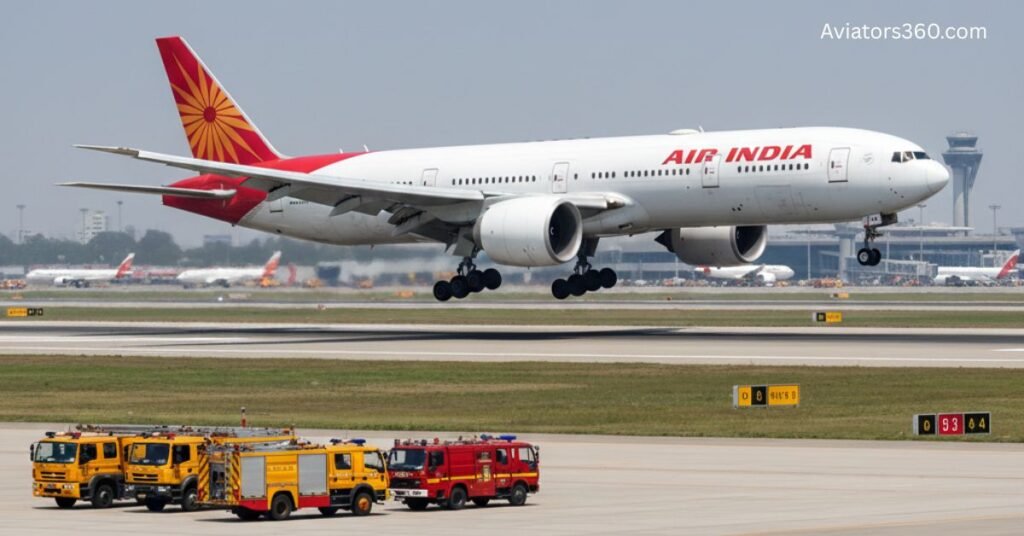
Air India Flight to Mumbai Returns Safely to Delhi Due to Engine Issue
In a recent incident, an Air India plane flying from Delhi to Mumbai had to turn back to Delhi because of a problem with one of its engines. The flight, which took off on a regular weekday morning, landed safely without any injuries. This article explains what happened, in simple words, why it might have happened, and what Air India plans to do next.
The Incident Explained Step by Step
Let’s break down the event from start to finish.
- The Start: The plane was a big Boeing 777, named flight AI-865. It was packed with over 200 passengers and crew, ready for a two-hour trip to Mumbai. It took off from Delhi as normal.
- The Problem in the Sky: About 30 minutes after takeoff, when the plane was high in the air, the pilots got a warning about the right-side engine. Some passengers heard a loud noise and felt the plane shake.
- The Quick Decision: The pilots are trained for this. They immediately decided it was safest not to continue to Mumbai. They told air traffic control in Delhi they were coming back. To land safely with the extra fuel weight, they released some fuel over a safe area (this is a normal procedure).
- The Safe Landing: The plane turned around and landed perfectly back in Delhi around 10:15 AM. Emergency trucks were waiting near the runway, just as a precaution, but they were not needed.
- After Landing: All passengers were safe and taken care of by the airline. Air India gave them food and water and put them on other flights to Mumbai later that day. The plane was taken to a hanger for engineers to check.
Factors Behind the Engine Failure
The term “engine issue” can mean different things. While experts will study the engine to find the exact cause, here are some common reasons for such problems:
- Bird Strike: A bird might have flown into the engine during takeoff. Even a small bird can cause damage at high speeds.
- Mechanical Fault: A single part inside the very complex engine might have worn out or broken.
- Sensor Glitch: Sometimes, the computer sensor that monitors the engine gives a wrong warning. Even if the engine is okay, pilots must take the warning seriously and return.
- Engine Stall: Think of it like the engine “coughing.” The smooth flow of air inside it gets disturbed, causing a bang and vibrations.
The Most Important Thing: No matter the reason, the pilots followed their training perfectly. Big planes like the Boeing 777 are designed to fly safely on just one engine. The pilots turned off the troubled engine and flew back to Delhi using only the left engine. This is a normal safety procedure they practice regularly.
Inside the Cabin: The Onboard Experience
For passengers, hearing a loud bang on a plane is scary. Many people on social media said they were frightened at first. However, they also praised the pilots and cabin crew for staying calm, explaining the situation clearly, and making them feel safe. The crew’s professional handling helped prevent panic.
Air India’s Response:
- They quickly informed everyone about the incident.
- Their first focus was on the passengers’ safety and comfort after landing.
- They said their engineers will check the plane thoroughly and share the report with government safety officials.
Implications for Air India’s Future
Air India is currently undergoing big changes under its new owners, the Tata Group. This incident highlights areas they are already working on:
- New Planes: Air India is buying 470 new planes. Newer planes have newer, more reliable technology, which should mean fewer technical problems in the coming years.
- Better Maintenance: A major part of the plan is to spend more money on maintenance—checking planes more carefully and using better tools and parts to keep them in top shape.
- Training: Events like this show how important pilot training is. Air India will continue to train its pilots extensively in simulators, so they are always ready to handle rare situations calmly.
- Safety Checks: India’s aviation safety authority (DGCA) will look into this event. Their findings might lead to extra checks for other similar planes to ensure the same problem doesn’t happen again.
Learning Points From the Incident
- Safety Comes First: This event shows that the safety system works. From the plane’s design (flying on one engine) to the pilot’s training, everything focused on getting everyone down safely.
- Pilots are Highly Trained: Pilots train for hours in simulators for problems they might never see. This incident proves that training pays off.
- For Passengers: If something unusual happens on a flight, the best thing to do is stay calm, listen carefully to the crew’s instructions, and trust their training.
Final Words
The return of Air India flight AI-865 was unexpected, but it ended well because the safety procedures were followed correctly. For passengers, it was a scary delay. For the airline, it is a reminder to keep improving their machines and training. As Air India works on becoming a world-class airline, handling such incidents smoothly and transparently is key to building passenger trust. For all of us, it’s a reminder of how seriously the aviation industry takes our safety.
Disclaimer:
This blog is for general information only, based on public reports available at the time of writing. It is not an official investigation report. Details may change. We are not liable for any decisions made based on this content. For confirmed updates, please refer to official sources like Air India or the DGCA.