
What’s Going On with Planes and Fuel?
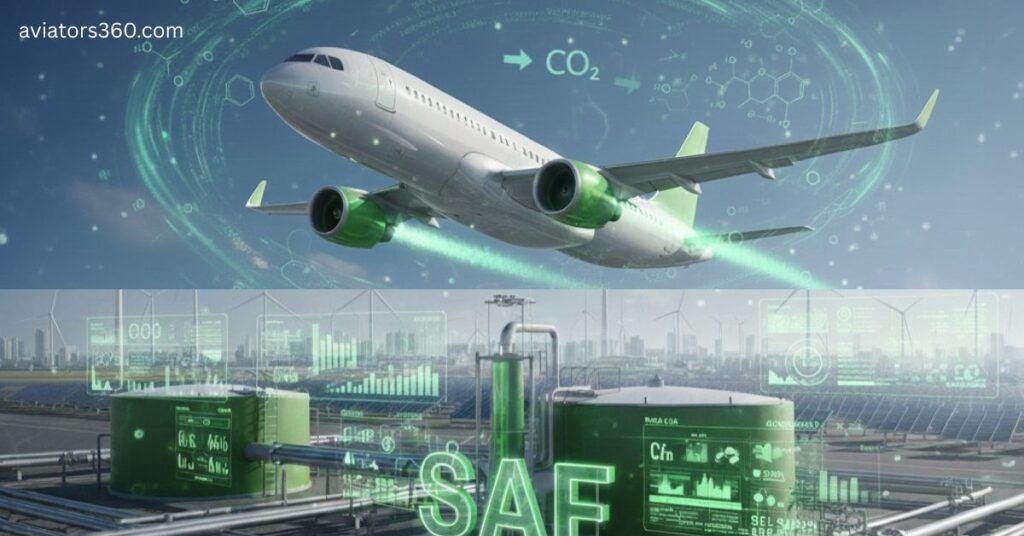
Right now, something big is happening in the world of flying. Airlines and governments are getting very serious about a new kind of airplane fuel. It’s called Sustainable Aviation Fuel, or SAF for short. Unlike regular jet fuel made from oil, SAF is made from things like used cooking oil, farm waste, or even captured carbon from the air.
Think of it like this: instead of pulling more oil from the ground, we’re making fuel from stuff we’ve already used or from things that grow back.
The big news is that airlines aren’t just talking about it anymore. They are starting to save up big amounts of this SAF, almost like building a reserve tank for the future. They’re also creating special tracking systems, like a receipt, to prove when this cleaner fuel is used. This is a huge shift, and it’s happening fast.
The Fuel Behind the Push: Key Reasons for the SAF Rush
Imagine you could power a plane with fuel made from old vegetable oil from restaurants. That’s SAF. It works just like regular fuel—it goes into the same planes with the same engines—but its creation and use pollute a lot less, up to 80% less over its whole life.
The best part? It’s a “drop-in” fuel. Pilots don’t need a new license, and airports don’t need completely new fuel trucks. It mixes right in with what they use today.
Why Is This Happening Now?
A few key reasons are pushing this change:
- The Promise to Be Cleaner: The whole world is trying to cut pollution. The airline industry has promised to hit “net zero” pollution by 2050. Since we can’t yet fly big passenger planes with just batteries, SAF is the best tool they have right now to keep flying while cutting down on carbon.
- Travelers and Companies Care More: More people are thinking about the pollution from their flights. Big companies that buy a lot of plane tickets for their staff want to be greener. They are asking airlines for cleaner options. SAF gives airlines a real answer to that request.
- Rules from Governments: Countries are making new laws. For example, the European Union has said that by 2025, 2% of all plane fuel at its airports must be SAF. That number will go up over time. The United States is also giving tax breaks to make this fuel cheaper to produce. These rules force the industry to move faster.
- Avoiding Oil Problems: Relying on oil can be unstable. Its price can jump, and supply can be unsure. Making fuel locally from waste can help countries be more energy-independent.
From Idea to Reality: Spreading SAF Use
Two smart ideas are helping SAF spread:
- Building Up Stockpiles: Airlines are signing huge deals to buy SAF years in advance. This gives fuel producers the confidence and money to build bigger, better factories. It’s like everyone agreeing to buy a new product before it’s even fully made, so the factory knows it’s worth building.
- The “Book and Claim” Model: This is a clever solution to a big problem. SAF isn’t available at every small airport yet. So, how can a company in New York help if the SAF is pumped into a plane in Los Angeles?
- Here’s how it works: That New York company pays for the environmental benefit of the SAF. They get a certificate, like a digital receipt, proving they helped fund cleaner fuel. The physical SAF is used on a flight out of L.A. This system lets money from people who want to be green flow directly into making more SAF, anywhere in the world.
Overcoming Barriers to SAF Adoption
It’s not all smooth flying. There are challenges:
- Cost: Right now, SAF is much more expensive—sometimes 3 or 4 times the cost of regular jet fuel. Bringing that price down is the biggest task.
- Supply: We can’t collect enough used cooking oil to fly all the planes in the world. The future needs new sources, like making fuel from city trash or special plants that don’t compete with food.
- Building Factories: We need to construct many new facilities to make this fuel, which takes time, money, and space.
From Today to 2050: The SAF Timeline
The steps for the next 10-20 years are becoming clear:
- Use What We Have (Now – 2030): Make lots of SAF from today’s sources like waste oils. Build more factories and get the costs to start coming down.
- Get More Creative (2030 – 2040): Start making SAF from other waste, like leftover wood chips from forestry or the gas from landfills. New technologies will come online.
- The Dream Fuel (2040+): The ultimate goal is “Power-to-Liquid” fuel. This is made using just water, air, and clean electricity (from sun or wind). It has the potential to be almost pollution-free. This is the big focus for research and investment today.
What Does This Mean for You?
For regular people, this change is good news! It means:
- Greener Choices: Soon, when you book a flight, you might see an option to contribute a few dollars to use SAF for your trip’s portion. Your choice directly helps.
- A Cleaner Conscience: Flying to see family or for a vacation won’t have to feel as bad for the planet. The industry is working on a real solution.
- Supporting Innovation: By choosing airlines that invest in SAF, you’re voting for a cleaner future of travel.
The Bottom Line
The move to stockpile and track SAF isn’t just about fuel. It’s about securing the future of flying itself. It’s the aviation industry’s main plan to keep connecting the world while keeping its promise to the planet.
The journey to cleaner skies has finally taken off. The next time you see a plane, remember, the fuel powering it might soon come from surprising, and sustainable, places.
Disclaimer
The information in this article is for general understanding only. It summarizes a fast-changing topic and is not professional advice. Facts, policies, and company plans mentioned may change after publishing. We are not liable for decisions made using this content. Please check official sources for the latest, most accurate information.