
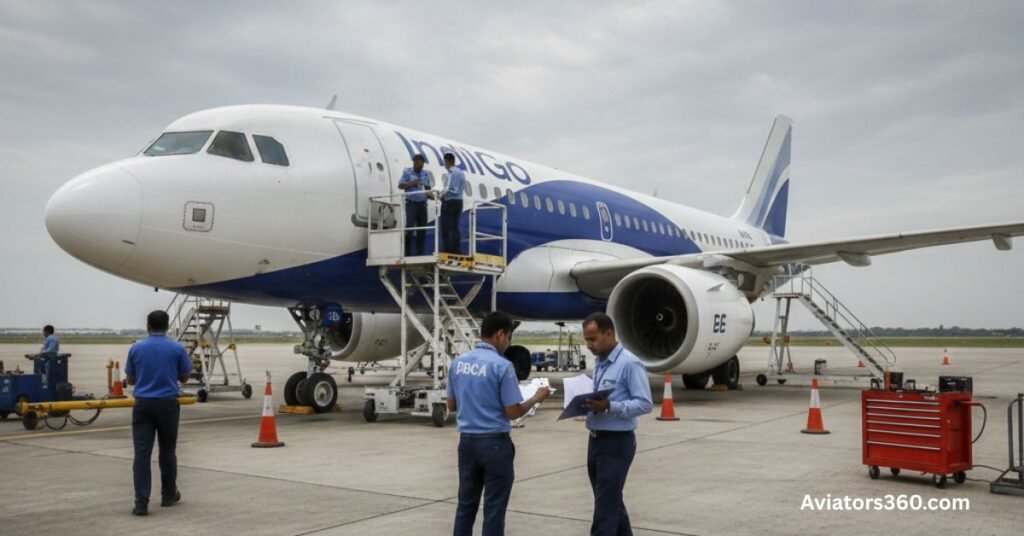
India’s aviation world was jolted in early December 2025 when IndiGo — the country’s largest domestic carrier — began canceling and delaying flights en masse. Crew shortages triggered by freshly enforced pilot-duty rules led to a collapse in scheduling and stranded thousands of travellers. In response, DGCA has stepped in, and IndiGo has promised corrective steps. This blog walks you through what authorities have done, what changes are underway, and when things might go back to normal.
What Went Wrong — Crew Crunch & New Duty-Time Norms
- The root cause of the chaos lies in recently tightened regulations about flight-duty and rest periods for pilots and crew. Airlines were required to increase rest time, limit duty hours and improve fatigue management.
- IndiGo apparently underestimated the impact: the airline did not add enough pilots or build adequate buffer staff before the rules fully kicked in. As a result, crew availability plummeted right as the winter travel surge began — creating a perfect storm.
- The output: widespread cancellations and delays. November 2025 alone saw over 1,200 flights cancelled, many of them attributed to compliance with new duty-time norms. IndiGo’s on-time performance cooled off dramatically, with punctuality dropping by nearly 20 percentage points in a month.
What Has Already Been Done by DGCA & IndiGo
Regulator Steps In — DGCA Launches Probe
The DGCA formally initiated an investigation, asking IndiGo to submit a full report on “facts leading to the current situation.” The regulator demanded a detailed mitigation plan, covering crew-availability, roster stability, and operational adjustments. In short: DGCA pressed IndiGo to explain itself and fix the root cause.
IndiGo Responds with Immediate Calibrations
Recognizing the magnitude of the crisis, IndiGo announced “calibrated adjustments”: in the short term, it would cancel or reschedule flights to match actual crew availability rather than over-promise and under-deliver. This step helps avoid last-minute cancellations that cause maximum passenger hardship.
Commitment to Recruitment, Training & Stabilisation
The airline said it intends to accelerate crew hiring and training to build a stronger workforce. It also provided a firm target: full operational restoration by 10 February 2026, once staffing levels and roster resilience have been rebuilt.
Temporary Concessions, But Not Rule Relaxation
While DGCA remains firm on safety — it has not relaxed the new duty-time norms — it reportedly granted a temporary, partial waiver for certain night-duty/re-rostering restrictions to help the airline manage through the shortage. At the same time, IndiGo has been asked to give fortnightly progress reports on crew availability, roster management, and delays/cancellations, ensuring ongoing regulatory oversight.
What This Means for Passengers & When You Might See Normalcy
Short-Term Pain, but Some Stability Ahead
From early December, IndiGo will temporarily scale down operations. That means fewer flights overall for a while — but also reduced risks of sudden, unpredictable cancellations. For travellers: better to book early, monitor flight status, and plan with buffer time.
Regulatory Oversight Should Help Bring Order
With DGCA involved and regularly receiving progress updates, there’s regulatory pressure on IndiGo to get its house in order. As crew numbers rise and rosters stabilise, flight disruption should decline.
Full Recovery by February 2026 — A Realistic Expectation
IndiGo’s roadmap aims for full restoration of stable operations by February 10, 2026. If hiring ramps up and roster practices improve, a return to on-time reliability is possible.
However — and this remains uncertain — there’s no guarantee there will be no additional disruptions during the transition period; much depends on how quickly crew recruitment and rostering issues are resolved.
What Hasn’t Changed — and What Remains Uncertain
- Safety rules remain intact. The government hasn’t cancelled or relaxed the new fatigue/rest-time norms. IndiGo must comply.
- No guarantee of immediate normalcy. Even with corrective measures, restoration depends on successful hiring, training, and roster management. IndiGo’s target date is only a plan, not a guarantee.
- Passenger experience may remain uneven. Until crews and schedules stabilise, there may still be cancellations, delays, and communication gaps.
Why Regulator Action Matters — But Responsibility Lies With IndiGo
DGCA’s involvement signals that this is not just a business setback, but a matter of passenger rights, safety compliance, and systemic aviation health. By demanding mitigation plans and regular reporting, DGCA is ensuring accountability. But the success of recovery ultimately depends on IndiGo — its hiring decisions, roster planning, and execution of corrective actions.
In simpler terms: regulator pressure can catalyse change — but actual stabilization depends on airline discipline.
What to Watch Next — Key Milestones in IndiGo’s Recovery
- Crew Hiring & Training: Watch for announcements of fresh pilot and cabin-crew batches and their training cycles.
- Roster Buffer Building: IndiGo must maintain sufficient standby crew to avoid repeat disruptions.
- Gradual Schedule Ramp-up: As crew availability improves, flights cancelled or scaled down now should resume — expect connectivity to gradually improve through early 2026.
- Transparency & Communication: Improved communication with passengers about flight status, rebooking, and compensations will be critical to regain trust.
- Regulatory Reviews: DGCA’s fortnightly reports will likely reveal progress; repeated shortfalls may invite further measures or stricter oversight.
Conclusion — A Necessary Reset, With Hope for Recovery
The IndiGo flight crisis triggered by crew shortage and duty-time compliance failures deepened into a full-blown disruption for millions of travellers. But the coordinated response — regulator oversight coupled with airline commitments — offers a path out of chaos. While short-term disruptions will continue, especially during the transition, there is a reasonable path to stability by early 2026.
For passengers: book early, stay informed, and expect some disruption for now. For IndiGo: rebuild carefully, hire wisely, and plan with a buffer — so that trust can be restored and the skies stay safe.
Thanku for sharing Real and precise information.
Keep it up.. really helpful.
Finally got acutual facts..